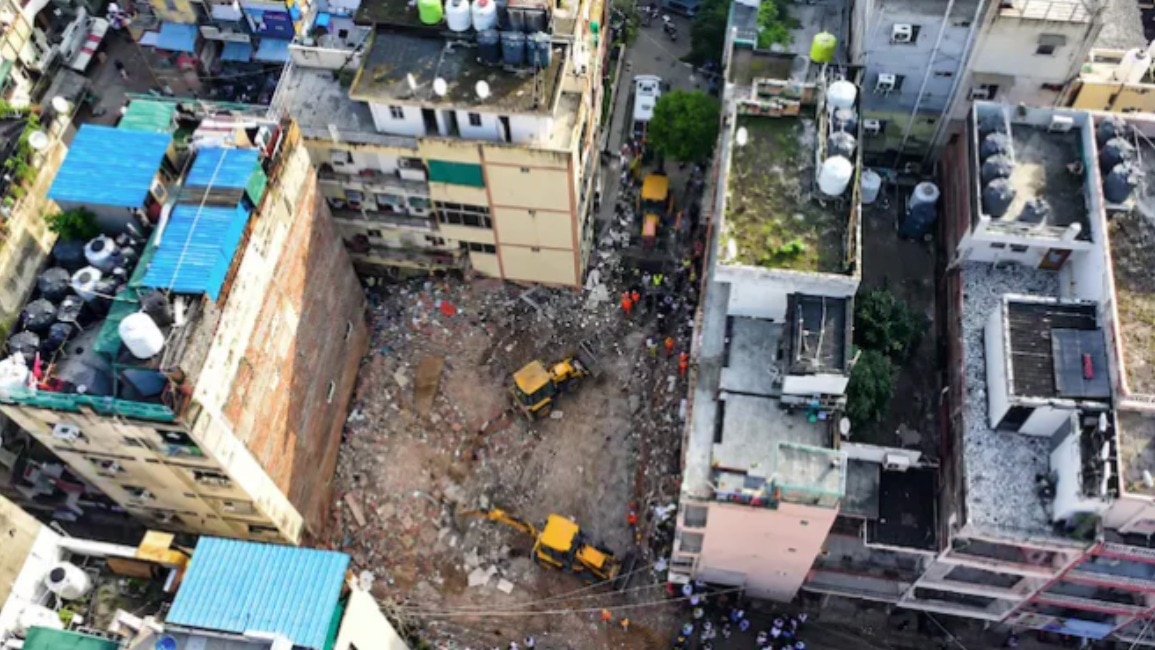
Following a devastating building collapse in Satya Niketan that claimed seven lives, the Municipal Corporation of Delhi (MCD) has initiated a sweeping demolition drive and a safety audit of over 1,200 PG accommodations across the capital.
- 34 illegal properties demolished and 17 sealed within 48 hours across 12 zones.
- Comprehensive safety audit underway for 1,243 PG buildings housing approximately 24,000 residents.
- Buildings categorized into four safety levels: Safe, Minor Repair, Major Repair, and Dangerous.
The Municipal Corporation of Delhi (MCD) has shifted into high gear following the tragic collapse of a Paying Guest (PG) building in Satya Niketan, South Delhi. The accident, which resulted in the death of seven individuals, has exposed severe lapses in building safety and regulatory oversight in the city's student hubs. In a swift response, the civic body has launched an aggressive campaign to identify and neutralize structural threats across the national capital.
Over the last two days, the MCD's bulldozer has been active in 12 different zones. On Tuesday alone, 17 properties were demolished and five were sealed for blatant violations of building bylaws. This was followed by a wave of legal notices on Wednesday, with 22 'show-cause' notices issued and four additional demolition orders passed, signaling that the administration is no longer ignoring unauthorized vertical expansions.
Strategic Enforcement Across Delhi
The crackdown has spanned various high-density areas. From the narrow lanes near Jama Masjid, where ground-floor slabs and partition walls were removed, to the residential hubs of Dwarka Sector 17 and Vikas Nagar, the MCD has targeted structures previously declared dangerous. In Rana Pratap Bagh and Model Town, authorities focused on removing illegal RCC slabs from upper floors to reduce the structural load on aging buildings.
Why This Matters
BozokMedia analysis shows that the Satya Niketan tragedy is a symptom of a larger urban crisis in Delhi, where residential properties are converted into high-density PGs without structural reinforcement. The systemic failure to regulate these 'invisible' hostels creates death traps for thousands of students and young professionals. This current drive is not just about demolition, but about mapping the risk profile of the city's unregulated rental market.
The conversion of residential plots into multi-story PGs without professional structural audits is a ticking time bomb for Delhi's urban infrastructure.
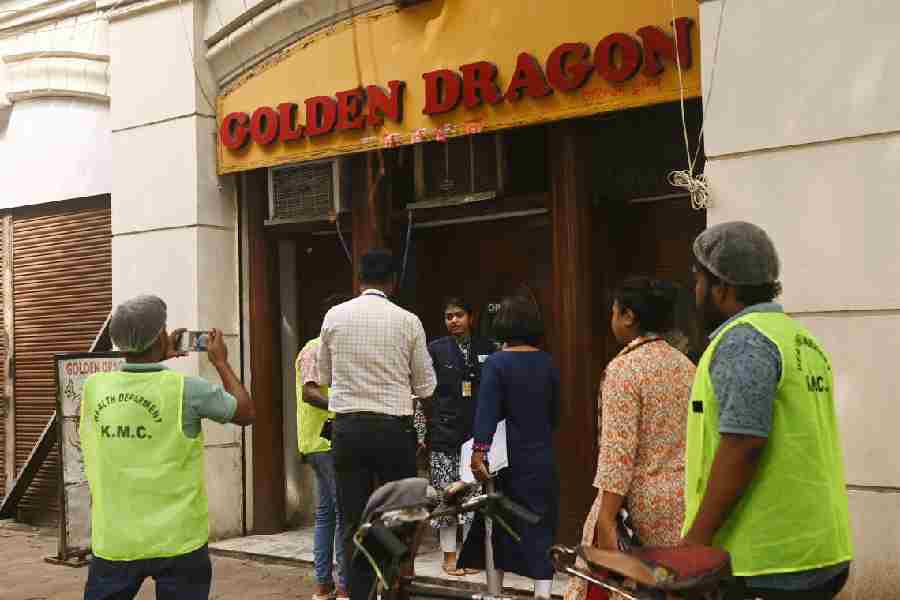
The most critical phase of this operation is the ongoing survey of 1,243 PG buildings. With roughly 24,000 people residing in these spaces, the MCD is focusing on buildings taller than five floors with RCC frames or those over four floors where the weight rests entirely on brick walls. This data-driven approach aims to prevent future collapses by categorizing buildings based on their structural integrity.
Frequently Asked Questions
Q1: How are the PG buildings being categorized?
They are divided into four categories: Safe, requiring minor repairs, requiring major repairs, and dangerous/unfit for habitation.
Q2: What triggered this sudden mass demolition drive?
The drive was triggered by the Satya Niketan building collapse, where an attempt to expand a shop led to the structural failure of the entire building, killing seven people.