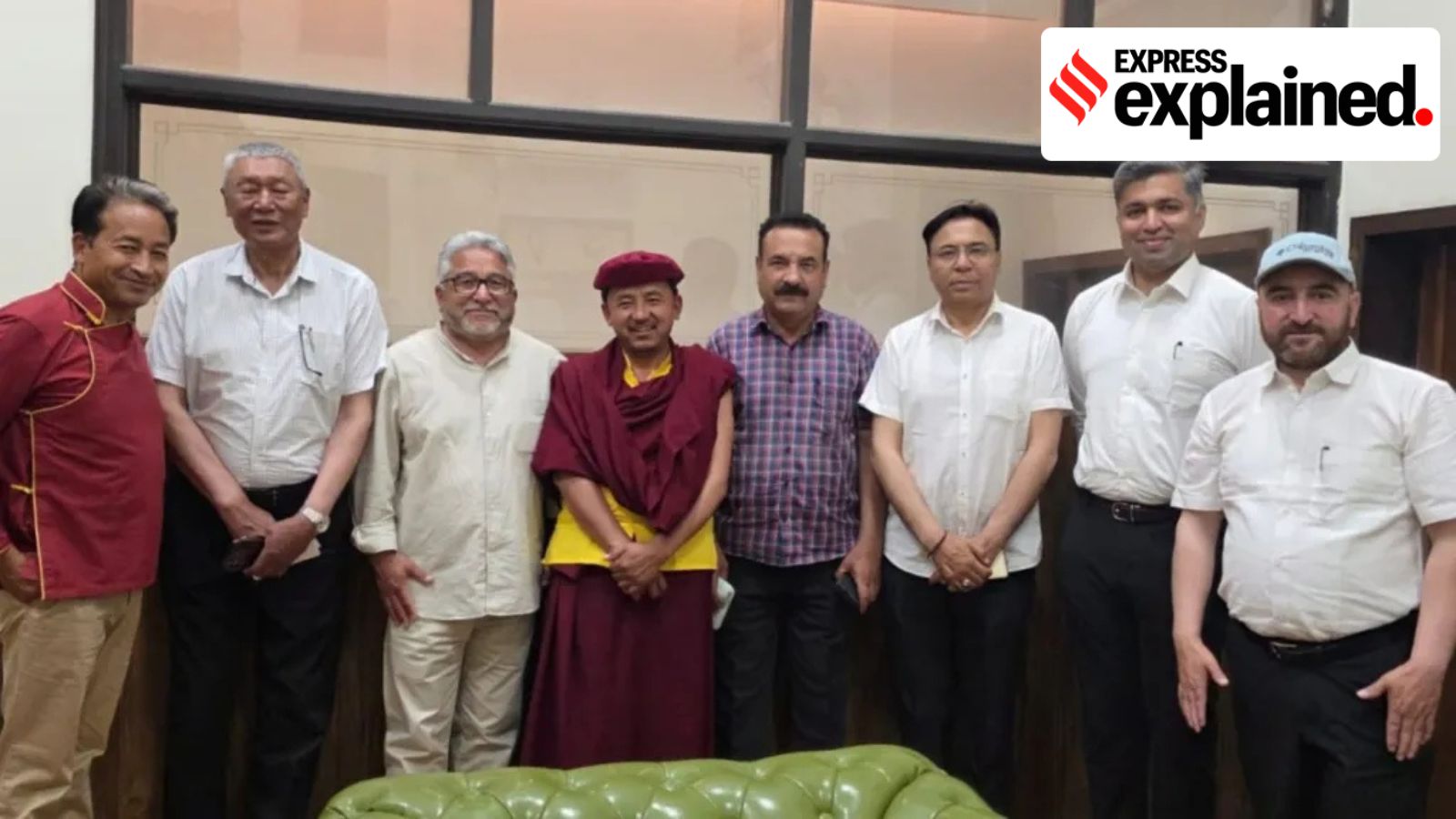
The Central Government has proposed the introduction of Article 371(K) to provide Ladakh with additional constitutional protections and a directly elected legislative body. This move aims to address long-standing demands for democratic representation and cultural preservation.
- Centre proposes Article 371(K) to grant Ladakh special constitutional status.
- Proposed elected body would have legislative power over land, culture, and natural resources.
- Differs from the Sixth Schedule by operating at the Union Territory level.
- Key disputes remain over financial, executive, and police powers.
In a significant development, the Union Government has offered to introduce a new constitutional provision, Article 371(K), to extend specialized protections to the Union Territory of Ladakh. This proposal emerged following high-level deliberations between the Ministry of Home Affairs (MHA) and representatives from the Leh Apex Body (LAB) and the Kargil Democratic Alliance (KDA).
The core of the proposal is the creation of a directly elected governing body. This body would be vested with legislative authority over critical regional interests, including land ownership, cultural preservation, linguistic rights, forests, and the management of natural resources. However, a formal draft is yet to be produced, leaving critical questions regarding executive authority, financial autonomy, and control over law and order unanswered.
Why This Matters
BozokMedia analysis shows that the current unrest in Ladakh stems from a perceived democratic deficit. Since the reorganization of Jammu and Kashmir in August 2019, Ladakh has been governed primarily by bureaucrats. While the region initially welcomed UT status, the lack of a legislature led to a sense of political alienation. Article 371(K) represents an attempt by the Centre to restore a semblance of democratic governance without granting full statehood.
"The proposal for Article 371(K) is a strategic pivot. By moving away from the Sixth Schedule model, the Centre is attempting to create a bespoke governance framework tailored for a strategic border territory."
Historically, Article 371 and its sub-clauses (A through J) have been used to protect the unique social and cultural fabrics of states like Nagaland and Mizoram. For instance, Article 371-A prevents Parliamentary laws from overriding Naga customary laws unless the State Assembly agrees. Applying this logic to Ladakh—a Union Territory—would be a historic departure from constitutional precedent, as these provisions have traditionally been reserved for states.
Article 371(K) vs. The Sixth Schedule
For years, Ladakh has demanded inclusion in the Sixth Schedule, which allows for Autonomous District Councils (ADCs) with significant legislative and judicial powers. However, the proposed Article 371(K) differs in scale and structure. While the Sixth Schedule focuses on district-level tribal autonomy, 371(K) envisions a territory-wide elected body.
| Feature | Sixth Schedule | Article 371(K) (Proposed) |
|---|---|---|
| Administrative Level | District Level (ADCs) | Union Territory Level |
| Primary Focus | Tribal Autonomy | Special Constitutional Protection |
| Precedent | Northeast States | Customized for UT (Ladakh) |
Frequently Asked Questions
1. Does Article 371(K) mean Ladakh will become a state?
No, it does not grant statehood. It creates a special administrative and legislative framework within the existing Union Territory structure.
2. Why are Ladakh leaders hesitant to accept the offer?
Because the offer lacks a written draft detailing who will control the budget, the police, and the overall executive planning.