The long-standing conflict over the Mekedatu project and Cauvery river water rights continues to strain relations between Karnataka and Tamil Nadu. This report explores the complexities of this hydro-political standoff.
- The Mekedatu project is central to Karnataka's water security and flood management plans.
- Tamil Nadu fears the project will disrupt the natural flow essential for its delta farmers.
- The dispute is deeply rooted in historical legal precedents and regional politics.
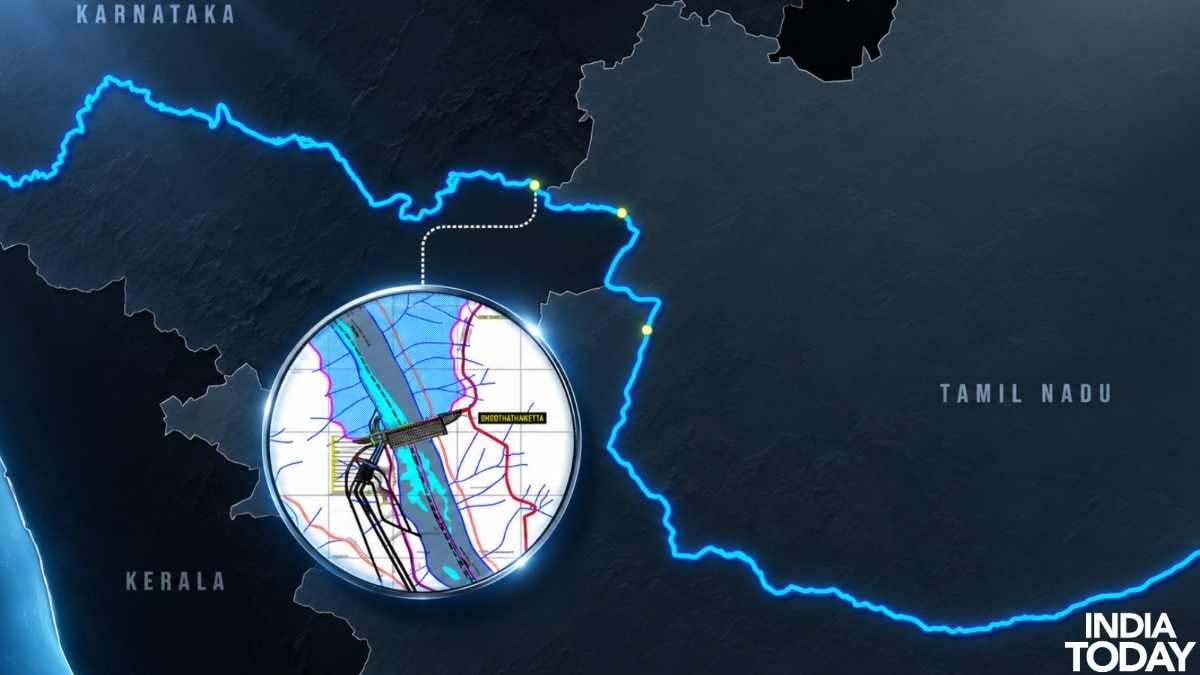
The Mekedatu project and the Cauvery River represent one of India's most complex and enduring hydro-political fault lines. At the heart of the issue is the state of Karnataka, which seeks to construct a reservoir at Mekedatu to store water for drinking purposes in Bengaluru and to mitigate seasonal flooding. However, this ambition directly clashes with the interests of Tamil Nadu.
Tamil Nadu's opposition is grounded in the fear that any storage upstream at Mekedatu will significantly reduce the water flow reaching the downstream delta regions. For the farmers of the Cauvery delta, water is not just a resource; it is their survival. The legal battle has spanned decades, involving various tribunals and the Supreme Court of India, yet a permanent consensus remains elusive.
Why This Matters
BozokMedia analysis shows that the Mekedatu impasse is a microcosm of the larger global challenge of water scarcity. As climate change alters rainfall patterns, the competition for riverine resources is set to intensify, making the resolution of such interstate disputes critical for national stability and food security.
The Cauvery dispute is less about water volume and more about the political management of scarcity.
The geopolitical implications are profound. The dispute often becomes a central theme in state elections, where political parties leverage regional sentiments to consolidate vote banks, often at the expense of long-term, science-based water management solutions.
Historical Background
The history of Cauvery water sharing dates back to the colonial era, with various agreements and settlements attempting to divide the river's bounty. From the early 20th-century administrative orders to the establishment of the Cauvery Water Disputes Tribunal, the struggle has evolved from local agrarian concerns to a high-stakes constitutional battle.
Frequently Asked Questions
1. What is the main goal of the Mekedatu project? Karnataka aims to use it for drinking water supply to Bengaluru and flood control.
2. Why does Tamil Nadu oppose it? Tamil Nadu argues it will deprive downstream farmers of essential water flow.