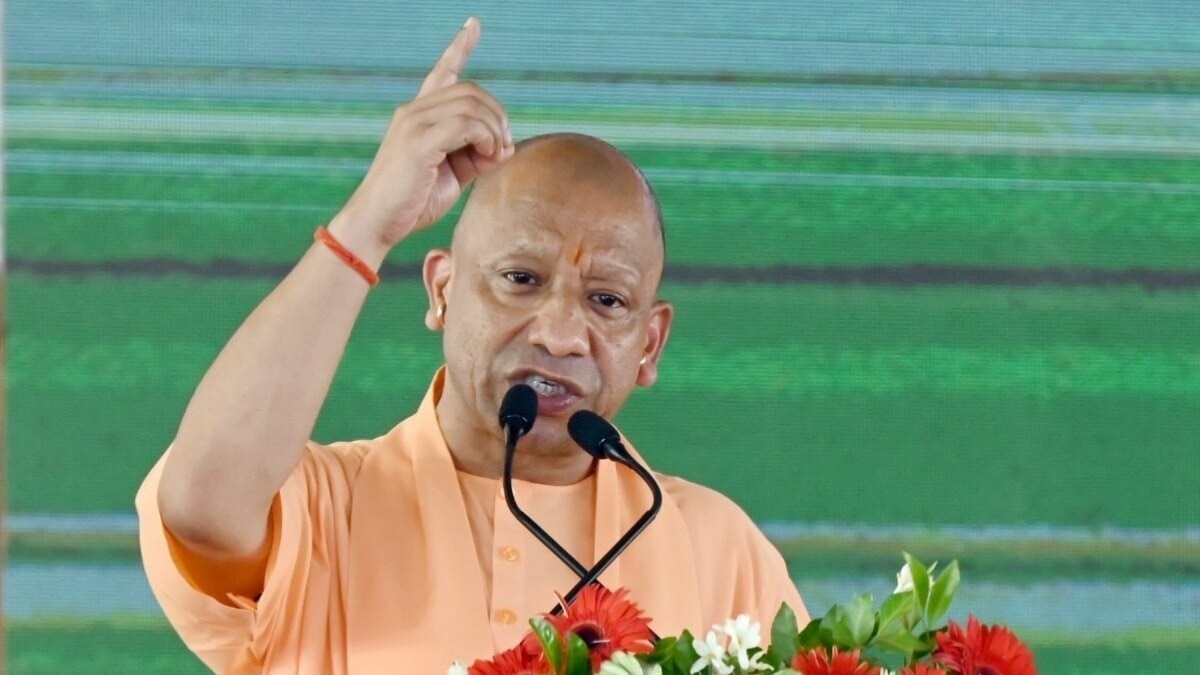
Karnataka Chief Minister DK Shivakumar has earmarked the southern corridor of Bengaluru for the state's second international airport, emphasizing low land cost, technical feasibility and zero village displacement. The move aims to decongest Kempegowda Airport while boosting regional growth.
Karnataka's government has officially signaled that the second international airport for Bengaluru will be situated in the city's southern corridor, Chief Minister DK Shivakumar announced on Wednesday. The proposal, designed to relieve congestion at Kempegowda International Airport, prioritises locations with affordable land, gentle terrain and minimal social disruption.
Background and current pressures
Kempegowda International Airport has risen to become India's third‑busiest airport, handling a rapidly growing passenger base. Persistent capacity constraints have led to flight delays and passenger inconvenience, prompting the state budget of March 2026 to earmark a new airport as a strategic necessity for future commercial and passenger demand.
Site‑selection criteria
Shivakumar clarified that while no specific plot has been publicly disclosed, the chosen site will lie in the southern part of Bengaluru where land prices are low, the topography is not overly hilly, and the project is technically viable. He stressed that "villages will not be displaced"; only scattered houses may be compensated and relocated, thereby keeping social upheaval to a minimum and controlling fiscal outlays.
Preliminary surveys and potential locations
The Airports Authority of India (AAI) has already inspected three shortlisted sites: two along Kanakapura Road near Harohalli and one on Kunigal Road in Nelamangala. Detailed studies have examined environmental impact, land‑acquisition challenges and connectivity to existing road and rail networks. The state will now consolidate these findings into a formal proposal for the central government.
Economic and social implications
A second airport is expected to streamline air traffic, but its ripple effects extend to aerospace, logistics, tourism and real‑estate sectors, creating jobs and attracting investment. Improved south‑side infrastructure—roads, metro links and ancillary services—will further enhance Bengaluru's overall urban fabric.
Next steps
Shivakumar remarked, "We have learned from past experiences and will ensure that no village or community bears the brunt of this project." In the coming months, detailed cost estimates, environmental clearances and financing models will be prepared before a final submission to the centre. If approved, construction could commence by 2028, with full operational capacity projected by 2032.