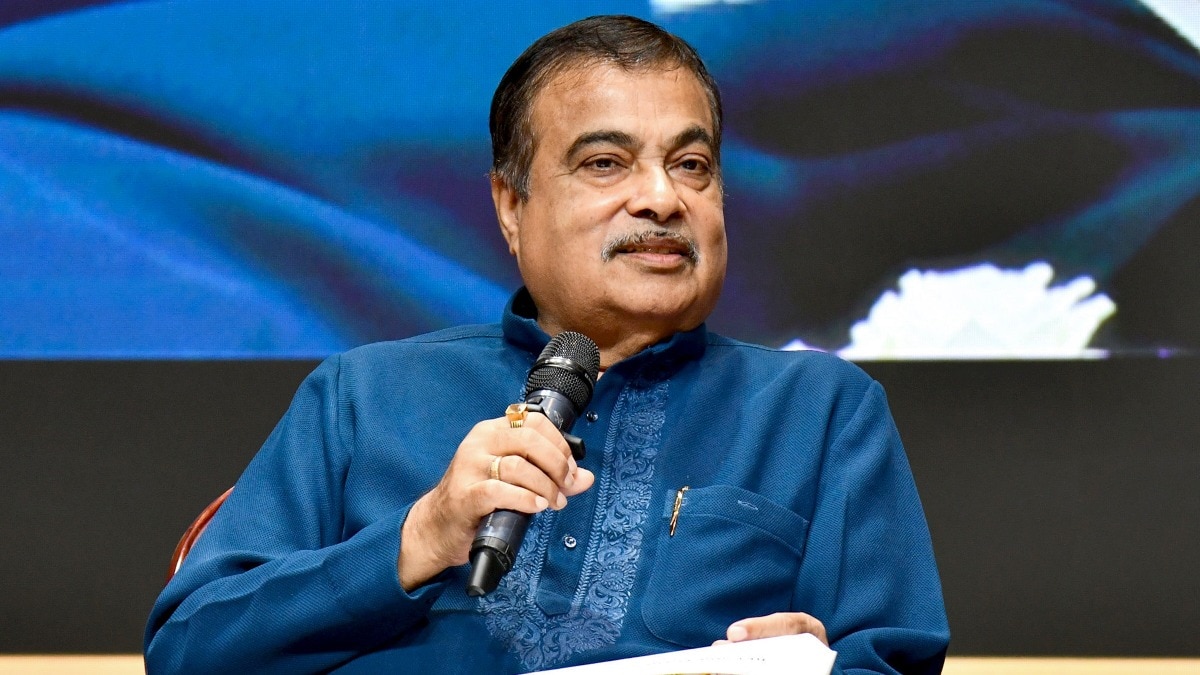
Transport Minister Nitin Gadkari refutes personal‑interest allegations by highlighting his 0.07% share in ethanol production. He outlines the policy’s environmental, economic and agricultural benefits while demanding proof of any E20‑related vehicle damage.
New Delhi (July 8, 2026) – Responding to mounting criticism over the government’s ethanol‑blending programme, Union Minister for Road Transport and Highways Nitin Gadkari gave an exclusive interview to India Today TV. Gadkari emphasized that his family’s sugar‑business predates the ethanol policy and that his personal stake in ethanol production is a mere 0.07 percent, insufficient to generate any material gain.
Dismissal of Private‑Interest Allegations
Gadkari labelled the accusations of conflict of interest as "baseless" and called them a "conspiracy". He challenged critics to produce concrete evidence that any petrol vehicle suffered damage because of the newly introduced E20 fuel. He further noted that leading automakers – Maruti Suzuki, Toyota, Tata Motors and Mahindra – have not lodged any complaints against E20.
How the Policy Was Formulated
The minister clarified that the ethanol‑blending framework was not the brainchild of a single individual. It emerged after extensive deliberations among the Ministry of Petroleum, the Union Cabinet and scientific agencies. The core objectives are to reduce India’s dependence on petrol, cut crude‑oil imports, lower emissions, and provide an additional revenue stream for sugarcane farmers.
International Benchmarks and Rigorous Testing
Gadkari pointed out that countries such as the United States, Brazil, Japan, Germany, Thailand and Sweden have been using ethanol‑mixed fuels for years. He stressed that E20 undergoes a four‑year testing regime, covering millions of kilometres, before receiving clearance for commercial sale. Consequently, any claim of technical shortcomings must be backed by solid data.
Looking Ahead
Gadkari urged stakeholders to view the ethanol blend as a strategic step toward a cleaner‑energy future rather than a political controversy. He reaffirmed the government’s commitment to promoting clean fuels and asked critics to focus on the long‑term benefits for the environment, the economy and the farming community.