Assam Chief Minister Himanta Biswa Sarma praised ULFA (I) leader Paresh Baruah as a revolutionary, while urging restrictions on murals of late singer Zubeen Garg. The remarks highlight the fraught intersection of regional identity, insurgency politics, and cultural heritage in the northeast state.
Key Takeaways
- Assam CM endorses ULFA (I) chief as a local revolutionary.
- Government proposes that only an approved portrait of Zubeen Garg may be reproduced publicly.
- The statement fuels tension between national security concerns and regional cultural expression.
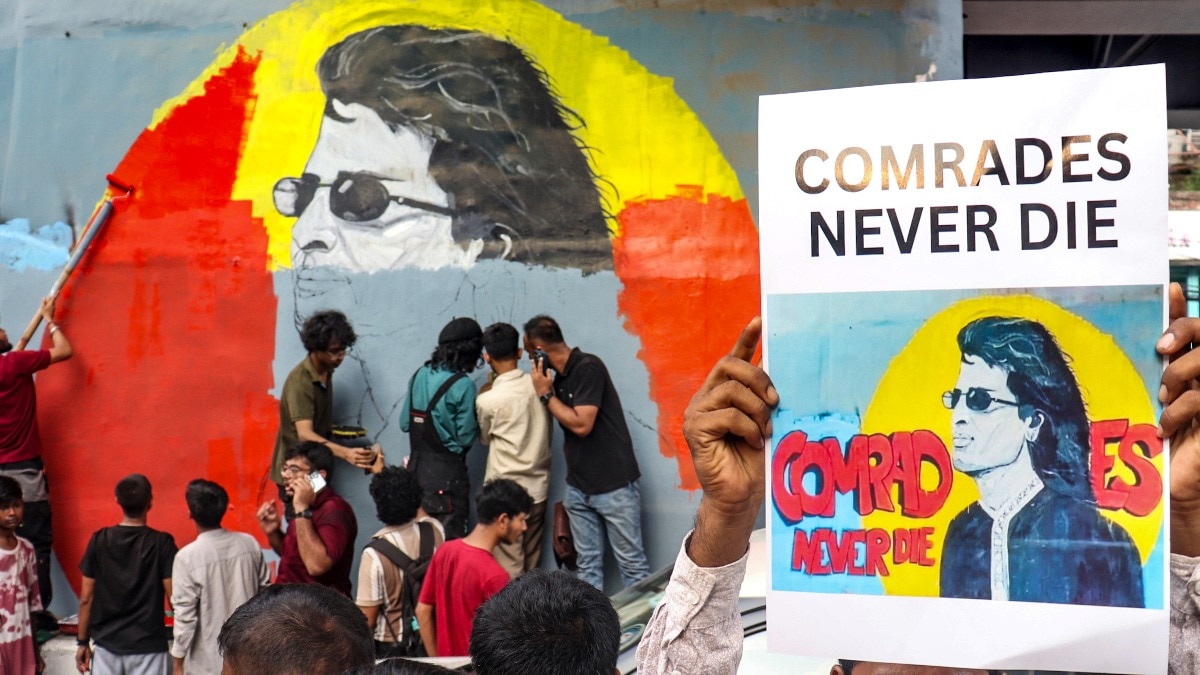
After the original mural of iconic Assamese singer‑actor Zubeen Garg—drawn in a Che Guevara‑style—was erased from a Guwahati flyover, Chief Minister Himanta Biswa Sarma publicly declared that any future “revolutionary” artwork should feature ULFA (I) chief Paresh Baruah instead of the Argentine Marxist icon. The comment intertwines Assam’s deep reverence for Zubeen with a controversial nod to a secessionist group still deemed a security threat.
Historical Context
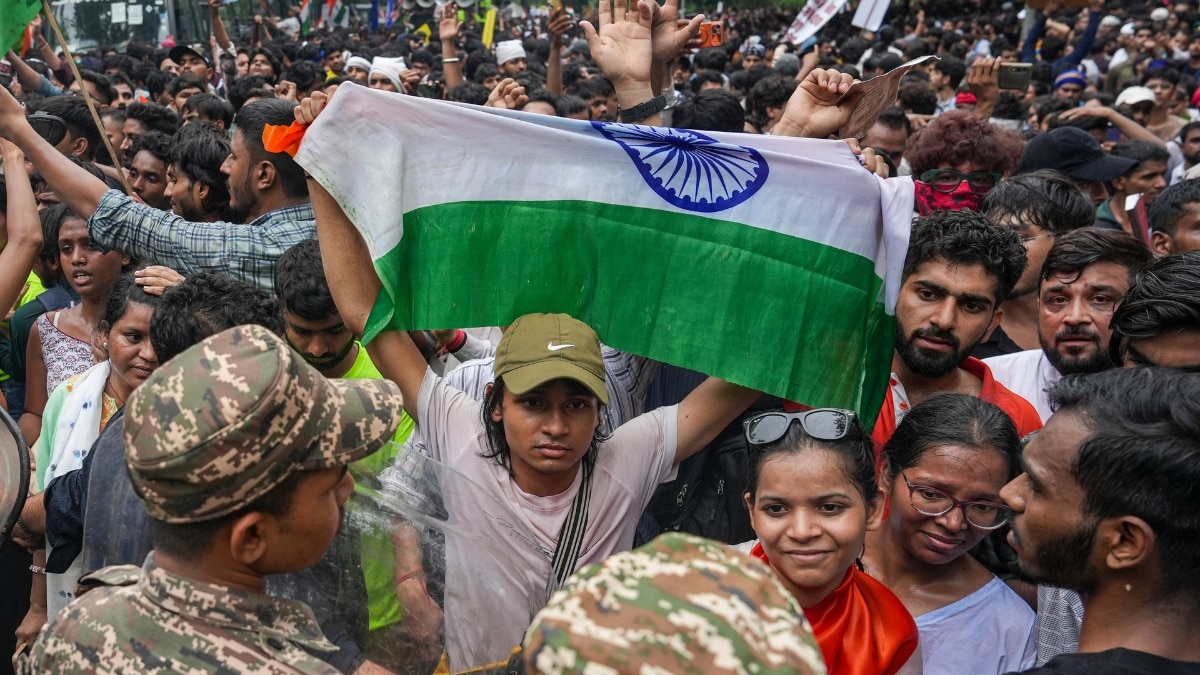
Zubeen Garg’s untimely death by drowning in Singapore (Sept 2025) triggered massive state‑wide mourning, with one of the largest funeral processions in modern history. The subsequent removal of his portrait, ostensibly for a beautification drive ahead of a planned visit by Japanese Prime Minister Sanae Takaichi, sparked outrage among fans who consider him a cultural deity.
Political Implications
By elevating Paresh Baruah—who has led the remnants of ULFA (I) from abroad—as a “30‑year‑long struggle” figure, Sarma effectively legitimizes a group responsible for hundreds of killings in the 1980s‑90s. This stance puts the state government at odds with central security agencies and raises questions about the message being sent to other insurgent movements across India.
Cultural and Social Repercussions
The CM also warned that any public depiction of Zubeen Garg must be approved by his widow, Garima Saikia Garg, limiting artistic freedom and hinting at a new form of state‑driven censorship. Meanwhile, the dismissal of Che Guevara—once a global symbol of youthful rebellion—signals a deliberate shift toward locally‑sourced revolutionary icons, such as activist Parag Das, who was murdered in the 1996 “secret killings.”
Future Outlook
If the administration continues to glorify a secessionist leader while curbing artistic expression, Assam could witness heightened friction between cultural activists, security forces, and political opponents. The central government may be compelled to intervene, either to reinforce anti‑insurgency measures or to protect constitutional freedoms of expression.