RJD MP Sudhakar Singh has filed a petition demanding full disclosure of the Shri Ram Janmabhoomi Trust’s financials, including foreign contributions. The petition, along with two others, is scheduled for hearing on July 13.
Key Takeaways
- CJI‑headed bench will hear Ram Temple donation embezzlement petitions on July 13.
- RJD MP Sudhakar Singh seeks complete financial disclosure of the Trust.
- Petitions call for a CBI probe, preservation of electronic evidence, and an independent forensic audit.
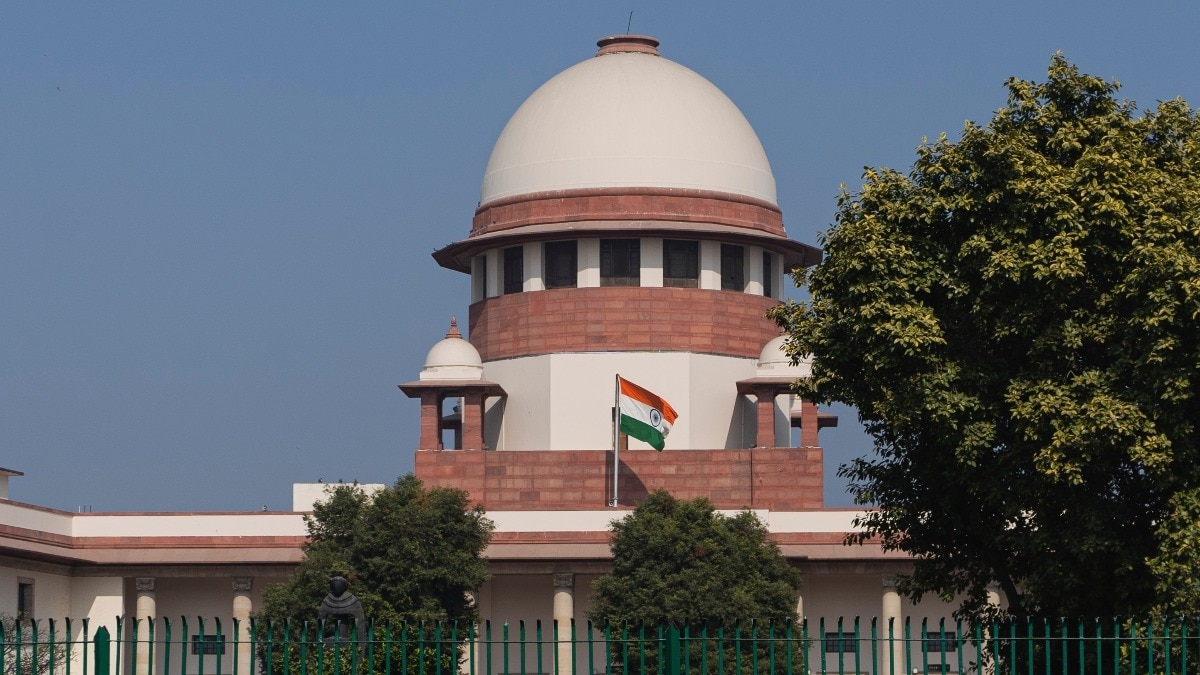
New Delhi (July 10, 2026) – A three‑judge bench of the Supreme Court, chaired by Chief Justice Surya Kant, has slated July 13 for hearing three separate petitions related to alleged misappropriation of donations to the Ram Temple in Ayodhya. The petitions, filed during the court’s summer recess, focus on the transparency of cash, digital, and foreign contributions made to the Shri Ram Janmabhoomi Teerth Kshetra Trust.
Background and Core Demands
The Shri Ram Janmabhoomi Teerth Kshetra Trust was created after the historic Ayodhya land dispute to manage funds earmarked for the construction of the temple. Since 2023, irregularities in the accounting of donations—ranging from cash and bank transfers to gold, silver, and foreign contributions—have sparked calls for a thorough investigation. In response, RJD MP Sudhakar Singh submitted a petition demanding the Trust publish a detailed statement of all donations, their custody, and utilization since its inception.
Other Petitions on the Docket
Advocate N.K. Goswami has filed a separate petition emphasizing the need to safeguard electronic evidence such as CCTV footage, server logs, and UPI transaction records, warning that such data could be “quietly lost” or tampered with. A third petition, jointly filed by advocates Ajay Kumar Rai and Dinesh Kumar Yadav, urges the Supreme Court either to order a Central Bureau of Investigation (CBI) probe or to constitute a multi‑disciplinary Special Investigation Team to ensure no material evidence is compromised.
Political and Social Implications
The case has transcended legal boundaries, becoming a flashpoint in national politics. Opposition parties, especially in Uttar Pradesh, argue that the alleged misappropriation undermines the credibility of the ruling party and erodes public confidence in one of India’s most revered religious institutions. Legal scholars suggest that a CBI‑led inquiry could set a precedent for greater accountability of religious trusts, reinforcing the principle that public donations must be managed with utmost transparency.
Looking Ahead
Following the July 13 hearing, the Court may direct an independent forensic audit, mandate preservation of all physical and digital records, and possibly appoint a special investigative team. Such outcomes could reshape the governance framework for religious charities across India, ensuring that future donations are tracked, reported, and utilized without ambiguity.