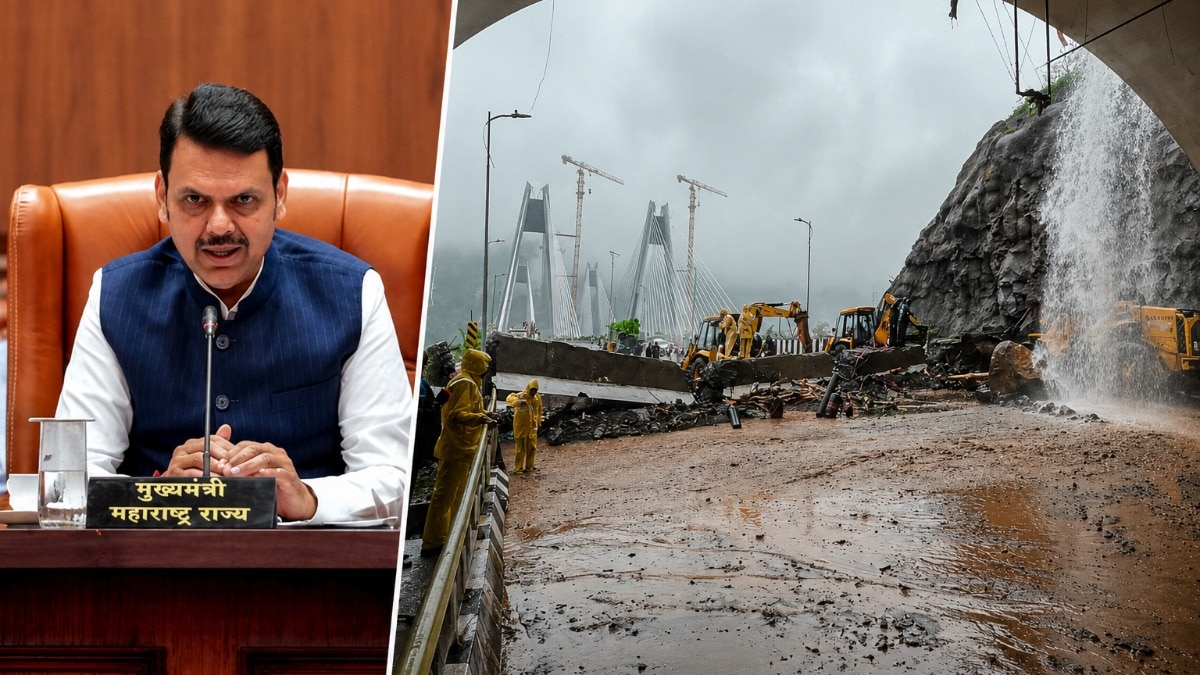
Maharashtra Chief Minister Devendra Fadnavis labeled critics of the Missing Link project as ‘hired fools’ and ‘supaaribaaz’, intensifying a political standoff. The remarks come amid safety concerns and opposition demands for an audit of the Mumbai‑Pune Expressway’s new bypass.
Key Takeaways
- Fadnavis calls Missing Link critics ‘hired fools’ and ‘supaaribaaz’.
- Opposition parties demand an audit over recent landslide and safety concerns.
- The dispute could shape Maharashtra’s political culture and future infrastructure financing.
Maharashtra Chief Minister Devendra Fadnavis on Friday refused to back down from his sharp remarks targeting those who question the Mumbai‑Pune Expressway’s Missing Link project. He labeled the detractors as ‘hired fools’ and ‘supaaribaaz’—a Hindi slang for “instigators for hire.” The comment followed a landslide near the Lonavala‑Khandala ghat that temporarily halted traffic and reignited opposition criticism about the project’s safety.
Background and Project Significance
The 13.3‑km Missing Link, opened to traffic on May 1, 2026, bypasses the treacherous gorge section of the expressway, shaving 20‑30 minutes off the Mumbai‑Pune travel time. The state government touts the bypass as a hallmark engineering achievement, positioning it as a flagship of the “Mahayuti” coalition’s infrastructure agenda. International consultants have praised its design standards, and the project is expected to boost logistics efficiency and tourism revenue.
Opposition Reaction and Legal Angles
Opposition parties, especially the Maharashtra Congress, slammed Fadnavis’s language as “undignified” and warned that labeling critics as ‘hired fools’ threatens democratic discourse. Congress president Harshwardhan Sapkal demanded a transparent audit, citing the recent landslide as evidence of possible structural lapses. “It is unbecoming of a chief minister to threaten citizens who raise legitimate concerns,” Sapkal said, emphasizing the right to scrutinise public‑money projects.
Political and Social Implications
The row underscores a broader clash between a government eager to showcase infrastructure milestones and a vigilant opposition seeking accountability. While Fadnavis argues that criticism aims to tarnish Maharashtra’s image, opponents contend that oversight is essential for responsible public spending. If the confrontation escalates, it could affect future financing of large‑scale projects, especially as the state navigates climate‑resilient development and urban expansion.
Path Forward
Policy analysts suggest a joint, independent audit to address safety queries and restore public confidence. Moreover, they urge political leaders to adopt respectful rhetoric, turning the debate into a constructive assessment rather than a personal showdown. Such a course could preserve Maharashtra’s growth trajectory while reinforcing democratic checks on infrastructure spending.