Women’s groups are demanding the immediate implementation of a 33% reservation in Parliament and state legislatures. They call for a constitutional amendment to delink the quota from census and delimitation, while organizing joint dharnas across the country on July 20‑21.
Key Takeaways
- Implement 33% women’s reservation in Parliament at existing seat count immediately
- Introduce a constitutional amendment bill to separate reservation from census and delimitation
- Hold nationwide dharnas on July 20‑21 and daily protests throughout the monsoon session
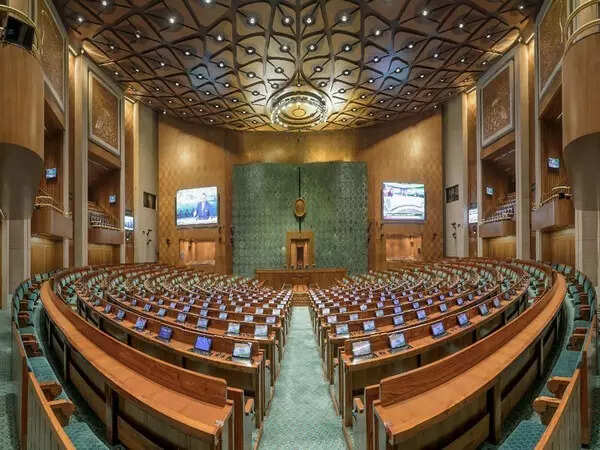
The National Coalition for Women’s Reservation, comprising the All India Democratic Women’s Association, NFIW, YWCA, and dozens of other bodies, has issued a decisive demand ahead of the monsoon session beginning July 20. They seek “unconditional and immediate” enforcement of a 33% quota for women in both Parliament and state assemblies, using the current strength of each house.
Historical Context
The first women’s reservation bill was introduced in 1996, but it stalled for decades. When the Women’s Reservation Act finally passed in 2023, it tied the quota to the next census and delimitation exercise, effectively postponing its implementation. Coalition leaders argue that without this condition, roughly one‑third of today’s 543 Lok Sabha seats would already be occupied by women.
Current Representation Gap
Today, women hold just 14% of Lok Sabha seats, and the figure is even lower—around 10%—in state assemblies. This stark under‑representation undermines both democratic legitimacy and policy responsiveness to women’s issues. Over 1,500 signatories, including actress Sharmila Tagore, dancer‑activist Mallika Sarabhai, and academic Zoya Hasan, have endorsed the coalition’s statement.
Policy Demands
The coalition urges the government to table a Constitutional Amendment Bill that delinks the women’s quota from the politically contentious processes of census and delimitation. They also call on opposition parties to champion the demand in Parliament, pressing the ruling party to act without further delay.
Planned Actions
Joint dharnas are scheduled for July 20‑21 across major cities, with a continuous sit‑in at Jantar Mantar in Delhi throughout the monsoon session. A national conference of women MPs is also in the pipeline, intended to foster direct dialogue between legislators and activists.
Beyond numbers, the movement seeks to dismantle the patriarchal structures that have long delayed women’s political empowerment. If the government acts swiftly, the 33% quota could become a cornerstone of a more inclusive Indian democracy.