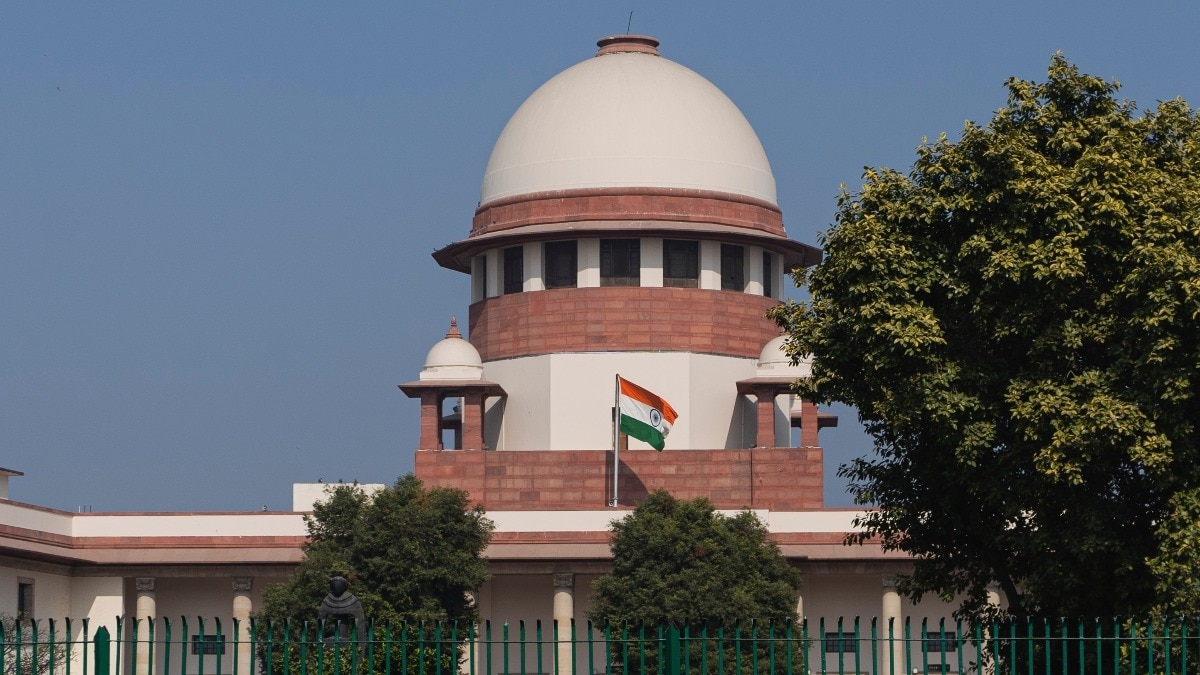
Following the deadly stampede in Karur that claimed 41 lives, a court directed that families of the deceased be offered temporary appointments to ease their financial burden. The CBI has launched a thorough investigation into the incident.
मुख्य बिंदु (Key Takeaways)
- 41 people killed in Karur stampede
- Court orders temporary employment for victims' families
- CBI has begun a full investigation
On March 24, a sudden crush at a public gathering in Karur, Tamil Nadu, resulted in the death of 41 individuals, sparking nationwide grief and intense scrutiny of crowd‑control measures. In response, the Karur District Court issued an emergency order granting temporary appointments to the bereaved families, ensuring they receive a steady income while the legal process unfolds.
Background and Immediate Causes
Preliminary reports suggest that the stampede was triggered by an uncontrolled surge of people in a confined area, compounded by inadequate crowd‑management protocols. Such incidents are not uncommon in India during large religious or cultural events, where the lack of proper planning often leads to catastrophic outcomes.
Judicial Intervention
The court’s directive reflects a blend of humanitarian concern and legal responsibility. By mandating temporary posts, the judiciary aims to provide immediate relief while underscoring the need for a systematic review of the appointments. The order also stipulates periodic assessments to determine whether the temporary roles can be converted into permanent positions based on performance and necessity.
CBI Investigation
The Central Bureau of Investigation (CBI) has taken charge of a comprehensive probe into the stampede. Senior officials have pledged a meticulous examination of potential negligence, including shortcomings in security personnel deployment, failure of crowd‑control infrastructure, and any lapses in local administrative oversight. Findings from this inquiry are expected to shape stricter safety regulations and enforcement mechanisms.
Long‑Term Implications
While the temporary employment scheme offers short‑term economic stability for the affected families, it does not substitute for a robust, long‑term rehabilitation framework. Experts advocate for integrated support systems encompassing education, healthcare, and livelihood training to truly address the aftermath of such tragedies. Moreover, the incident highlights an urgent need for policy reforms in crowd management, emergency response training, and accountability of local authorities.