Kerala's government introduced a free travel scheme for women and transgender individuals, prompting private bus operators to threaten a strike. The State Road Transportation Corporation (KSRTC) already faces a massive deficit, and the new policy threatens to deepen its fiscal woes while private operators grapple with shrinking fleets.
Key Takeaways
- Kerala launched the Priyadarshini free‑travel scheme on June 15 for women and transgender commuters.
- Private bus operators plan a strike starting July 20, citing severe revenue loss.
- KSRTC reported a fiscal deficit of roughly ₹21,000 crore for 2024‑25, and the scheme could exacerbate the shortfall.
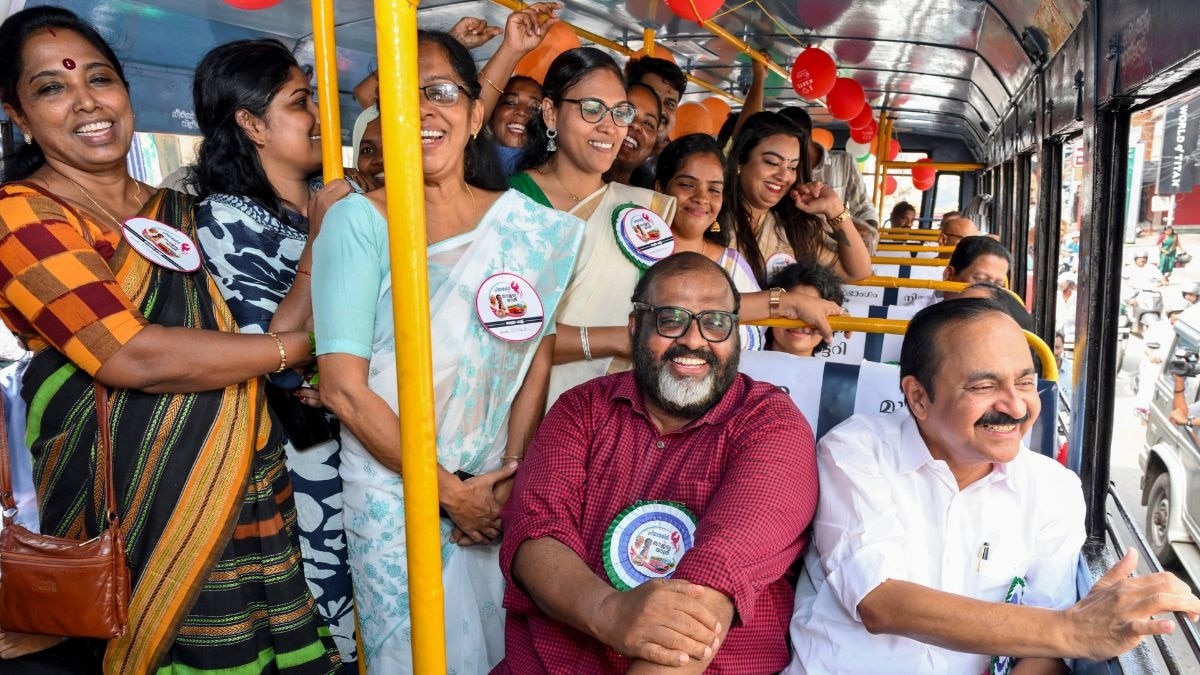
On June 15, the V.D. Satheesan‑led Congress government in Kerala rolled out the Priyadarshini Bus Scheme, granting women and transgender passengers free rides on state‑run ordinary buses. While lauded as a step toward gender equity, the initiative has ignited a financial tug‑of‑war between the public transport corporation and private operators.
Private Operators’ Protest
Speaking to India Today, T. Gopinathan, general secretary of the All Kerala Bus Operators Organisation, warned that private fleets, which cover about 70% of Kerala’s routes, are being squeezed by the scheme. He alleged that the motor‑vehicle department is being used to harass private owners, and that the government must extend comparable concessions to them.
Kerala’s private bus count has plummeted from 12,900 in 2018 to roughly 7,000 today—a decline accelerated after the free‑travel rollout, with around 500 operators pulling out citing operational losses.
KSRTC’s Financial Predicament
The Kerala State Road Transportation Corporation (KSRTC) transports nearly 2 million passengers daily and sells over 1.8 million tickets each day. Yet, by the close of the 2024‑25 fiscal year, its accumulated losses neared ₹21,000 crore. The Priyadarshini scheme, which will load more than 3,000 ordinary buses with zero‑fare passengers, threatens to widen the revenue gap further.
To offset the anticipated ₹700 crore annual shortfall, the state has urged KSRTC to explore new income streams, including private advertising on ticket backs. Moreover, the 2026‑27 state budget halved quarterly vehicle taxes for stage‑carriage buses, a move framed as indirect support for the beleaguered public‑transport sector.
Potential Fallout
Former transport minister K.B. Ganesh Kumar warned that the scheme could financially cripple both private owners and KSRTC, which already struggles with salary and pension obligations. With an estimated 28,000 families dependent on the bus industry for livelihood, a prolonged strike could have cascading socioeconomic effects.
Public‑transport expert P. Krishnakumar suggested that a parallel concession for private operators or similar tax relief could preserve market balance and prevent a systemic collapse.
Upcoming Strike
Private operators announced that the strike will commence from the Secretariat in Thiruvananthapuram on July 20 and could continue indefinitely. Earlier localized protests have occurred in districts such as Kottayam, Pathanamthitta, Idukki, and Kasargod, underscoring the growing unrest.