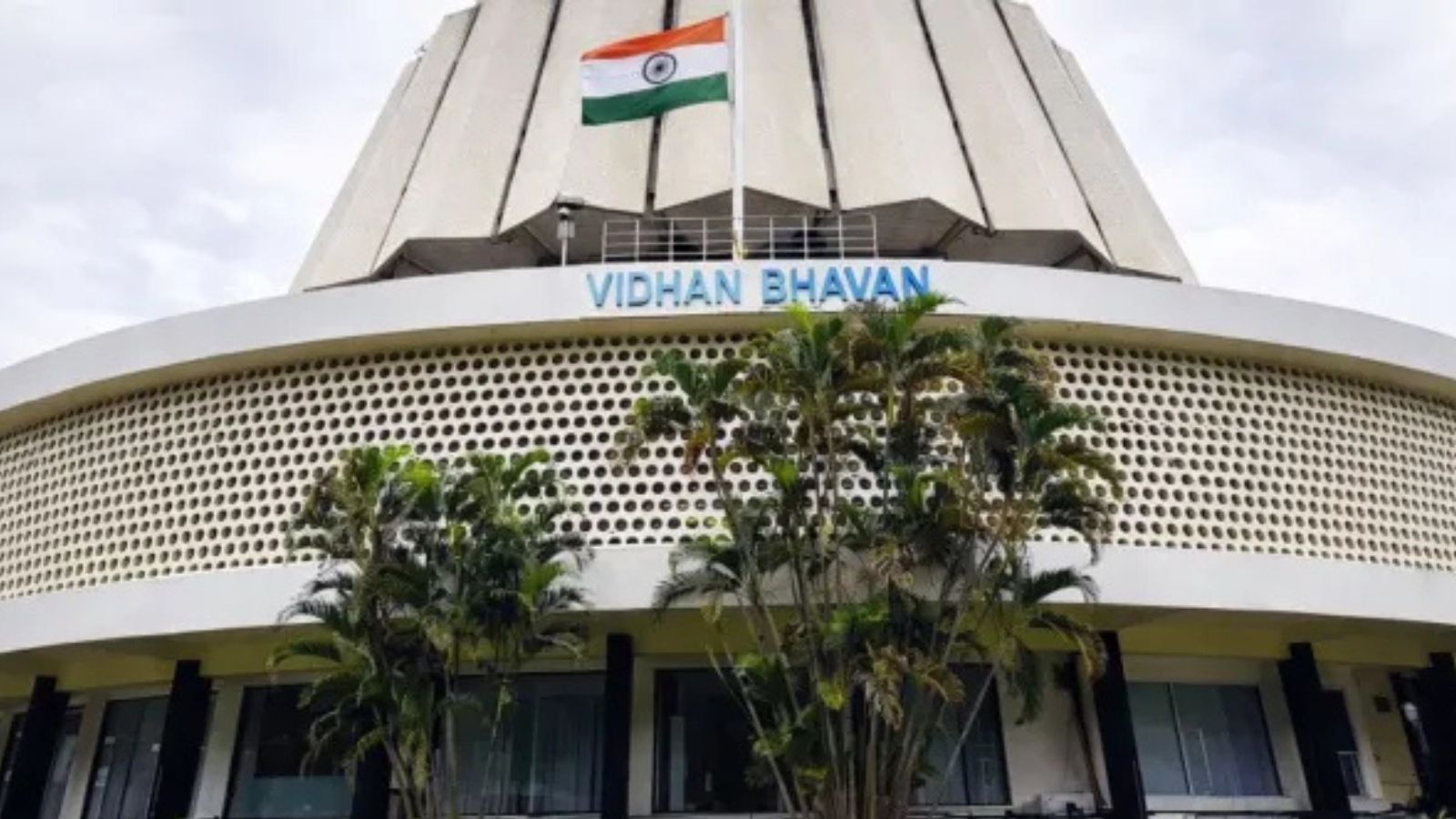
The Maharashtra Legislative Council has passed key amendments to the Bharatiya Nagarik Suraksha Sanhita (BNSS), seeking to extend preventive detention from 24 hours to up to 30 days.
Mumbai: In a significant move that could redefine criminal procedure in the state, the Maharashtra Legislative Council has passed pivotal amendments to the Bharatiya Nagarik Suraksha Sanhita (BNSS). The most striking proposal involves extending the period of preventive custody—currently capped at 24 hours—to a maximum of 30 days under specific circumstances to maintain public order.
Key Legislative Changes
The proposed amendments touch upon several critical aspects of the criminal justice framework, aiming to adapt the central law to state-specific operational needs:
- Expansion of Detention Powers: Under Section 170, if a judicial magistrate deems that a suspect's release could jeopardize public order, they may now authorize detention for up to 30 days.
- Digital Content Regulation: In a move toward modernizing censorship and seizure laws, Section 98 will now include electronic and digital records. This allows the state to seize social media content or news websites deemed to threaten national sovereignty or communal harmony.
- Police Hierarchy Adjustments: The state seeks to replace the 'Superintendent of Police' (SP) with 'Assistant Commissioner of Police' (ACP) for certain investigative roles under Section 15, aiming for more localized oversight.
- Anticipatory Bail Mandate: Under Section 482, individuals seeking anticipatory bail will now be legally required to be physically present before the court during the final hearing and order.
Constitutional Validity: Can States Amend Central Laws?
The legality of such moves rests on the fact that criminal law falls under the Concurrent List of the Indian Constitution. This allows both the Union and State governments to legislate on these matters. However, a legal caveat remains: state amendments must not conflict with central statutes. Should any amendment be found to contravene the core principles of the BNSS, it faces the risk of being struck down by the judiciary.
Political Friction and Civil Liberties
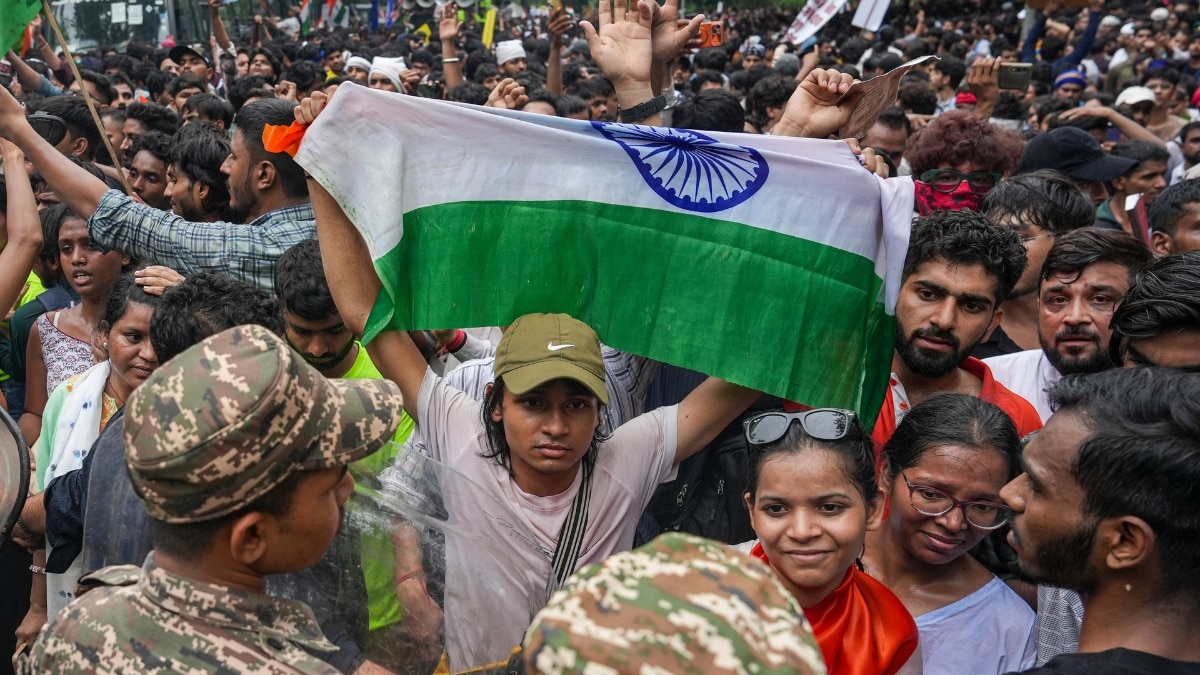
The amendments have ignited a fierce debate. Opposition leaders have voiced grave concerns, arguing that extending detention limits could lead to the politicization of policing, particularly during elections or periods of civil unrest. Conversely, proponents argue that these measures are essential tools for modern law enforcement to tackle evolving threats in a digital age.