National Conference chief Farooq Abdullah has invited 52 senior politicians to a July 20 Jantar Mantar rally demanding the restoration of Jammu‑Kashmir statehood. Mirwaiz Umar Farooq broadened the agenda to include Articles 370, 35A and political prisoner releases, while the BJP denounced the invitation, blaming the NC for the 2010 police firing.
Key Takeaways
- Farooq Abdullah sent letters to 52 national and regional leaders to join a July 20 protest at Jantar Mantar for the restoration of J&K statehood.
- Mirwaiz Umar Farooq urged that the rally also demand the reinstatement of Articles 370 & 35A and the release of hundreds of Kashmiri political prisoners.
- The BJP rejected the invitation, accusing the NC of responsibility for the 2010 killings and refusing any alignment with separatist elements.
In a move that has reignited the long‑standing debate over Jammu‑Kashmir’s constitutional status, Farooq Abdullah, president of the National Conference (NC), dispatched formal invitations to 52 senior politicians – ranging from Sonia Gandhi to Mamata Banerjee – urging them to converge at Jantar Mantar on July 20. The protest is framed as a “peaceful, democratic” demand for the restoration of the state’s former status, which was stripped away on August 5, 2019, when the central government abrogated Article 370 and bifurcated the region into two Union Territories.
Mirwaiz Expands the Agenda
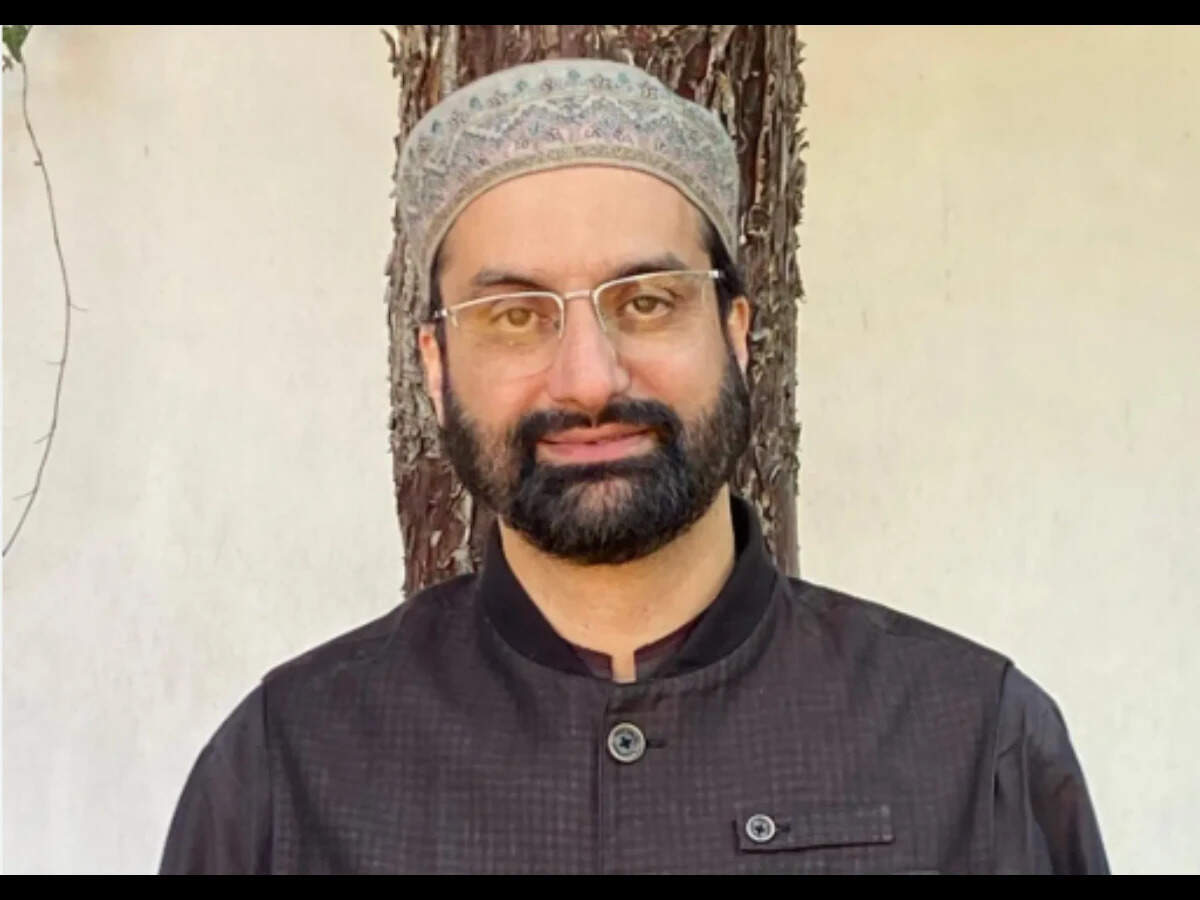
Speaking at a gathering in Srinagar’s historic Jamia Masjid, Mirwaiz Umar Farooq argued that the rally should not be limited to the restoration of statehood alone. He called for the re‑instatement of both Article 370 and the special provision Article 35A, the immediate release of “hundreds of Kashmiri political prisoners” scattered across Indian jails, and a broader “peaceful political resolution” of the Kashmir dispute. The Mirwaiz’s statements underscore his role as a religious‑political bridge, seeking to fuse constitutional demands with human‑rights concerns.
BJP’s Uncompromising Rebuttal
The Bharatiya Janata Party (BJP) responded with a scathing critique, refusing the invitation and branding the NC as complicit in the 2010 unrest that saw police firing kill more than 100 youths, including Tufail Mattoo and Wamiq Farooq. Opposition leader Sunil Sharma questioned, “Why should we stand with a party mired in corruption and responsible for the deaths of 110 people?” He further accused the NC of aligning with separatist forces, labeling the Mirwaiz as “the first example of such collaboration.” The BJP reiterated that the restoration of statehood is already part of its manifesto, but it will not be achieved through alliances with parties it deems morally compromised.
Permit Delays and Political Calculus
Jammu‑Kashmir Chief Minister Omar Abdullah disclosed that the NC is still awaiting official permission for its Jantar Mantar rally, contrasting the swift approval granted to the “Cockroach Party” (a colloquial reference to a rival group). He alleged attempts to disrupt the NC’s schedule, including proposals to hold competing events on the same day. The delay highlights the administrative challenges that political movements face in a highly securitized capital.
Implications for the Region’s Future
If the NC secures the green light, the July 20 rally could become a watershed moment, potentially forcing the centre to reconsider its stance on Article 370 and the broader autonomy debate. Conversely, the BJP’s hard‑line narrative seeks to frame the issue as a matter of law‑and‑order, linking past violence to present demands. The interplay between Mirwaiz’s expanded demands, the NC’s constitutional aspirations, and the BJP’s moral condemnation sets the stage for a high‑stakes political contest that could reshape Jammu‑Kashmir’s trajectory.