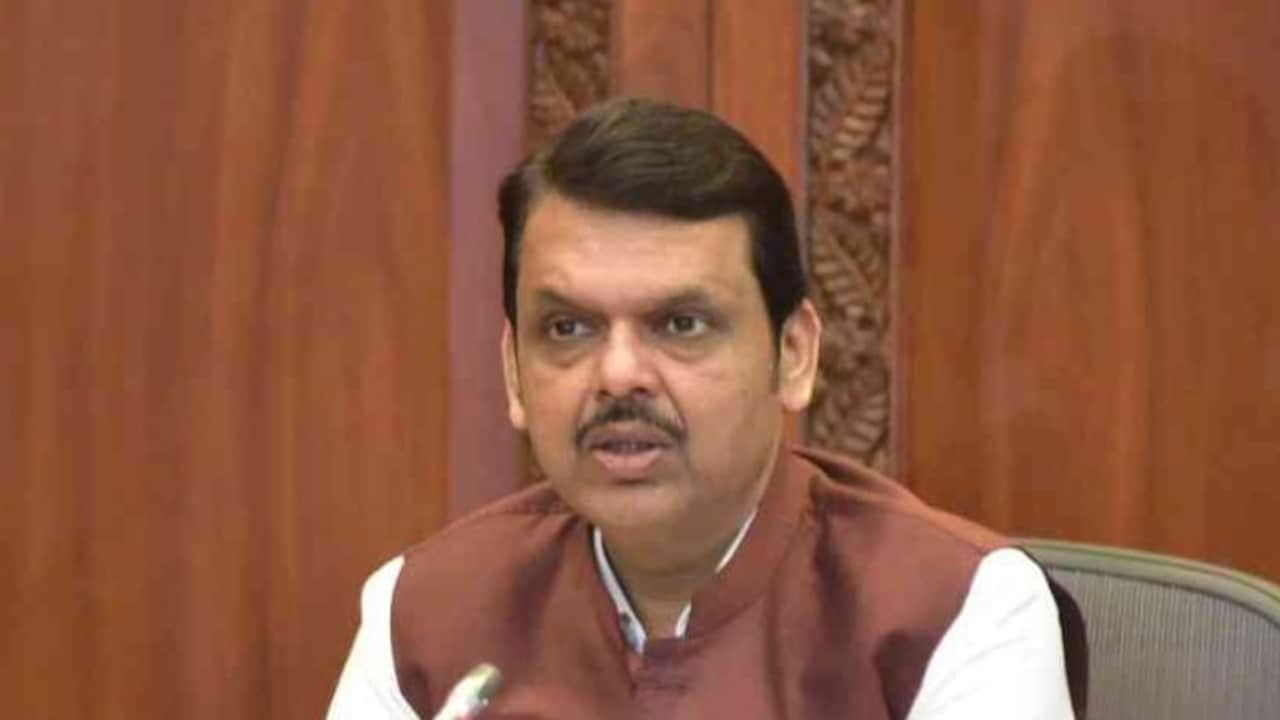
Chief Minister Devendra Fadnavis announced that crucial flight data from Ajit Pawar's aircraft has been recovered. He urged politicians and the public to stop baseless speculation until the investigation concludes.
मुख्य बिंदु (Key Takeaways)
- Critical flight data is now available, enabling a detailed analysis of the crash.
- No Central Bureau of Investigation (CBI) probe has been assigned to the case as of now.
- Political leaders and citizens are asked to refrain from conjecture to protect the integrity of the investigation.
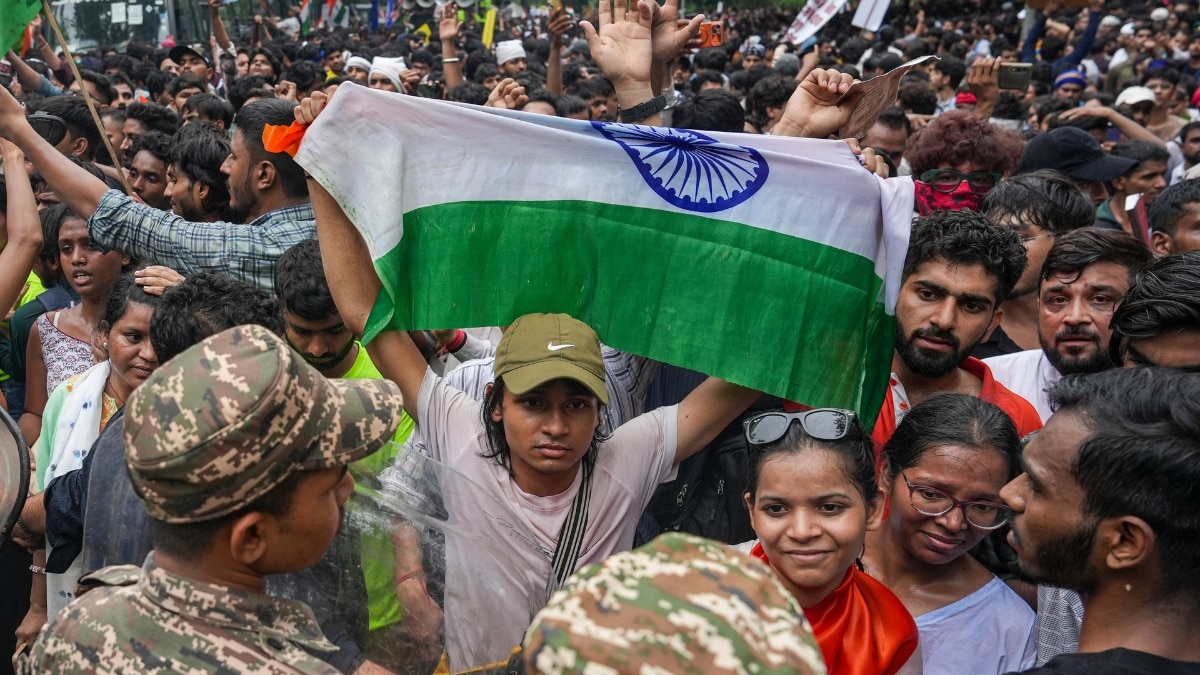
Ajit Pawar’s fatal plane crash on March 23 sent shockwaves through Maharashtra’s political landscape. Pawar, a senior leader of the Indian National Congress and the state’s Deputy Chief Minister, was traveling in a private aircraft when it went down, killing him and several others. The incident immediately sparked a flurry of speculation across media outlets and political circles, with many suggesting a CBI (Central Bureau of Investigation) inquiry as a possible next step.
Investigation Status and Flight Data Retrieval
Chief Minister Devendra Fadnavis, speaking at a press conference, confirmed that the flight’s critical data—including the black‑box recorder, radar tracks, and pilot communications—has been successfully retrieved. "Having the data brings us closer to understanding the exact cause of the crash, but we have not yet authorized a formal CBI investigation," Fadnavis said. The recovered information will now be handed over to the designated technical team for a thorough forensic analysis.
Call for Restraint on Political Speculation
Fadnavis appealed to all political figures, journalists, and the general public to avoid unfounded speculation. "We must not let conjecture interfere with the investigative process. Let the facts speak for themselves," he warned. This plea underscores the delicate balance between public interest and the need for an impartial, evidence‑based inquiry.
Potential Outcomes and Broader Implications
With the flight data in hand, investigators can determine whether mechanical failure, human error, or external factors such as weather played a decisive role. Should the analysis reveal regulatory lapses, aviation authorities may be compelled to revisit safety protocols and enforcement mechanisms. Conversely, if the crash is attributed to technical malfunction, it could prompt manufacturers and operators to tighten maintenance and training standards.
Conclusion
Ajit Pawar’s tragic accident remains a high‑profile case that will be resolved only through concrete evidence. While the CBI has not been tasked with the probe, the chief minister’s transparency about the data recovery aims to maintain public confidence. In this critical phase, restraint and reliance on verified information are essential for a fair and transparent outcome.