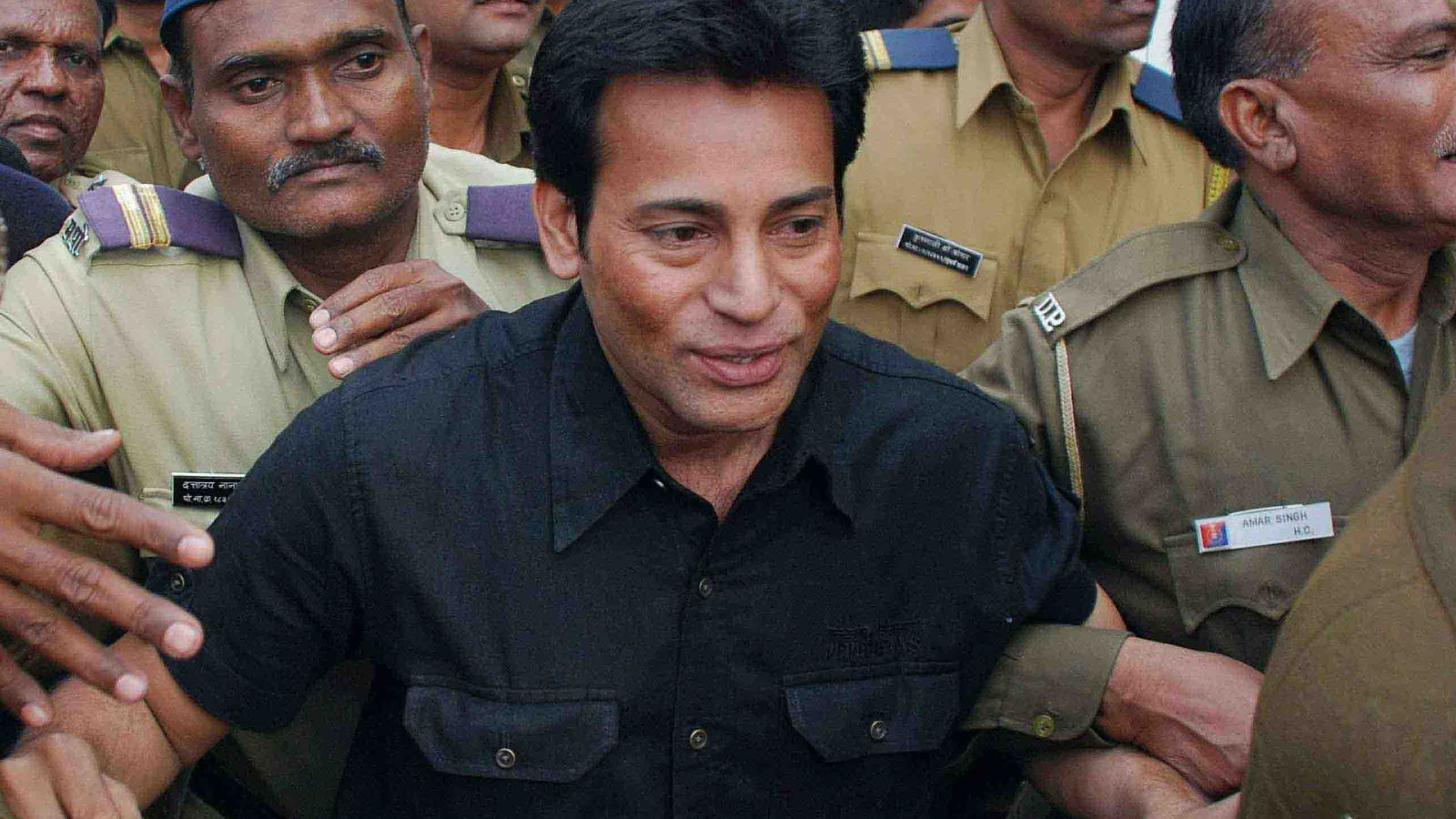
Abu Salem, serving two life sentences in Nashik Central Jail, faces a pending fine of Rs 16.51 lakh. A court application seeks clarification on whether the fine’s non‑payment will trigger an additional 18‑year term under the 25‑year extradition guarantee.
Key Takeaways
- Abu Salem is serving two life sentences in Nashik Central Jail.
- A pending fine of Rs 16.51 lakh may trigger an additional 18-year term if unpaid.
- The court must clarify whether the fine can be waived under the 25‑year extradition guarantee.
Abu Salem is currently lodged in Nashik Central Jail, where he is serving two life sentences – one for the 1993 Mumbai blasts and another for the murder of builder Pradeep Jain. The special courts handed down these sentences in 2015 and 2017 respectively.
Background
Salem was extradited from Portugal on 11 November 2005 after India assured the European nation that he would neither face the death penalty nor a term exceeding 25 years. The Supreme Court reaffirmed this commitment in 2018, stating that his 25‑year term would conclude in 2030, but it remained silent on the status of the monetary fine.
Charges and Penalties
Under the Terrorist and Disruptive Activities (Prevention) Act (TADA), Salem was ordered to pay two separate fines – Rs 8 lakh in one case and Rs 8.51 lakh in the other. Failure to pay would invoke default sentences of eight years and ten years, plus an additional six months. The combined outstanding amount now stands at Rs 16.51 lakh, prompting the jail authorities to seek judicial clarification.
Legal Maneuvering
The jail has filed applications under the Right to Information Act, asking whether the fine can be waived or, if not, whether the default imprisonment should be added to his existing term. Salem’s own letters claim that the prison has not provided clear guidance on the fine’s payment procedure. He further argues that the Supreme Court’s July 11 2022 order mentions only the 25‑year term, with no directive on the fine.
Potential Implications
If the court rules that the fine is mandatory, Salem could face an extra 18 years of incarceration, raising serious questions about the integrity of the extradition promise made to Portugal. Conversely, a waiver could set a precedent for future extradition cases, signalling a more flexible interpretation of international agreements.
The controversy underscores the delicate balance between domestic penal policy and international diplomatic commitments, and it may reshape how India handles high‑profile extradition convictions moving forward.