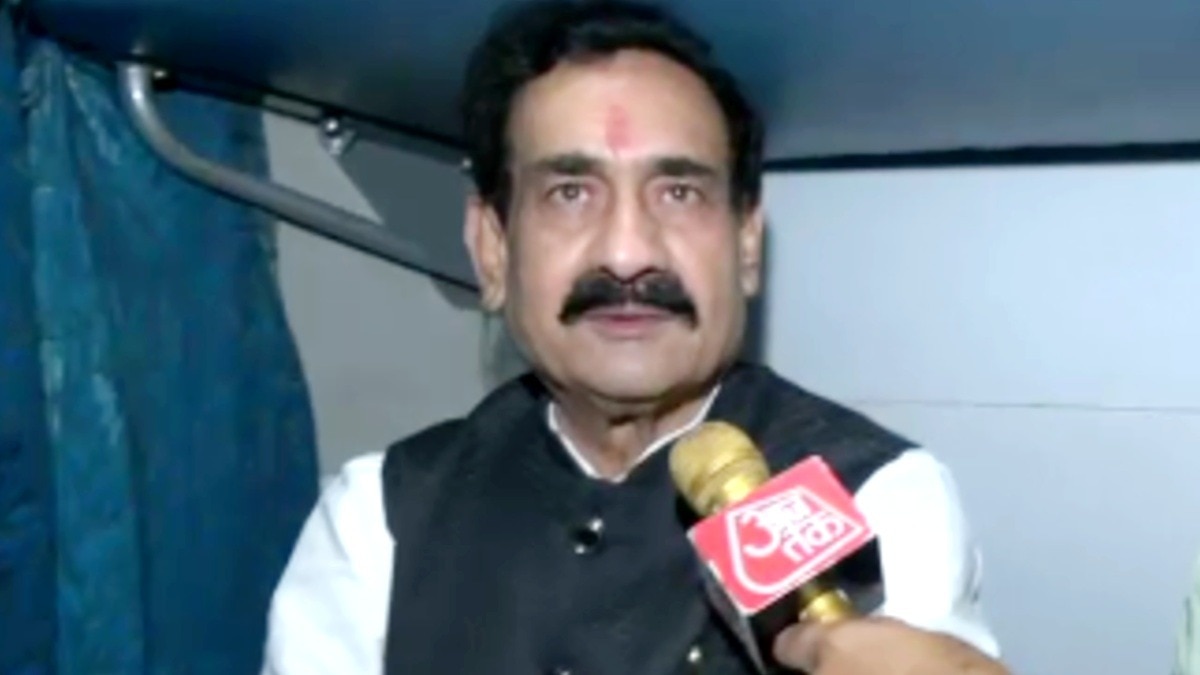
Former Home Minister Naroottam Mishra gave his first public statement on 'Train Safar', calling the denial of a ticket a test of his political resolve. He urged party workers to remain calm and maintain peace.
Key Takeaways
- Mishra speaks publicly for the first time after being denied a ticket.
- He frames the decision as a political test and calls for calm.
- The interview highlights potential power shifts within the BJP in North India.
Former Uttar Pradesh Home Minister Naroottam Mishra appeared on the popular travel‑documentary series ‘Train Safar’ to deliver his first extensive public address since the party’s decision to withhold his election ticket. The move has ignited a political stir ahead of the upcoming state assembly polls, and Mishra labelled the episode a “test of resolve”, insisting it would reveal his commitment and leadership qualities.
Background and Political Journey
Mishra, who served as UP’s Home Minister from 2012 to 2017, earned a reputation for a hard‑line law‑and‑order stance. His tenure saw high‑profile initiatives such as the crackdown on the 2013 “Nudeeri” protests in Lucknow and aggressive action against “Kabuli” crimes in 2015. Despite his electoral appeal, internal party dynamics—marked by generational change and strategic realignment—led to the withdrawal of his candidature for the next assembly election.
Core Messages from the Interview
In the interview, Mishra clarified that the ticket denial was “not a personal affront but a crisis‑time examination”. He said, “If you stand firm on your principles, such a test only sharpens your values.” He also appealed to party workers: “Stay peaceful, avoid violence or provocation, because public trust hinges on our conduct.” Mishra hinted at openness to “constructive dialogue within the party” moving forward.
Implications for the Future
The statements have amplified concerns of a possible split within the BJP’s Uttar Pradesh ranks. Political analysts warn that ignoring Mishra’s call for restraint could erode the party’s grassroots support. Conversely, the interview may be a strategic move to reposition Mishra—either as a reconciliatory figure within the party or as a potential independent challenger in the upcoming polls.
Conclusion
Mishra’s candid appearance on ‘Train Safar’ not only sheds light on his personal political trajectory but also signals shifting currents inside the BJP. The coming weeks will reveal whether the party embraces this “test” as a catalyst for unity or as a fault line that could reshape the state’s political landscape.