West Bengal Chief Minister Suvendu Adhikari announced a shift from land acquisition to direct purchase for industrial projects, aiming to eliminate the land‑related conflicts of Nandigram and Singur. A single‑window clearance for investments above ₹100 crore will further streamline approvals and boost investor confidence.
Key Takeaways
- West Bengal introduces Direct Land Purchase Policy for industry.
- Single‑window clearance for projects above ₹100 crore.
- Goal: Prevent repeat of Nandigram and Singur land disputes.
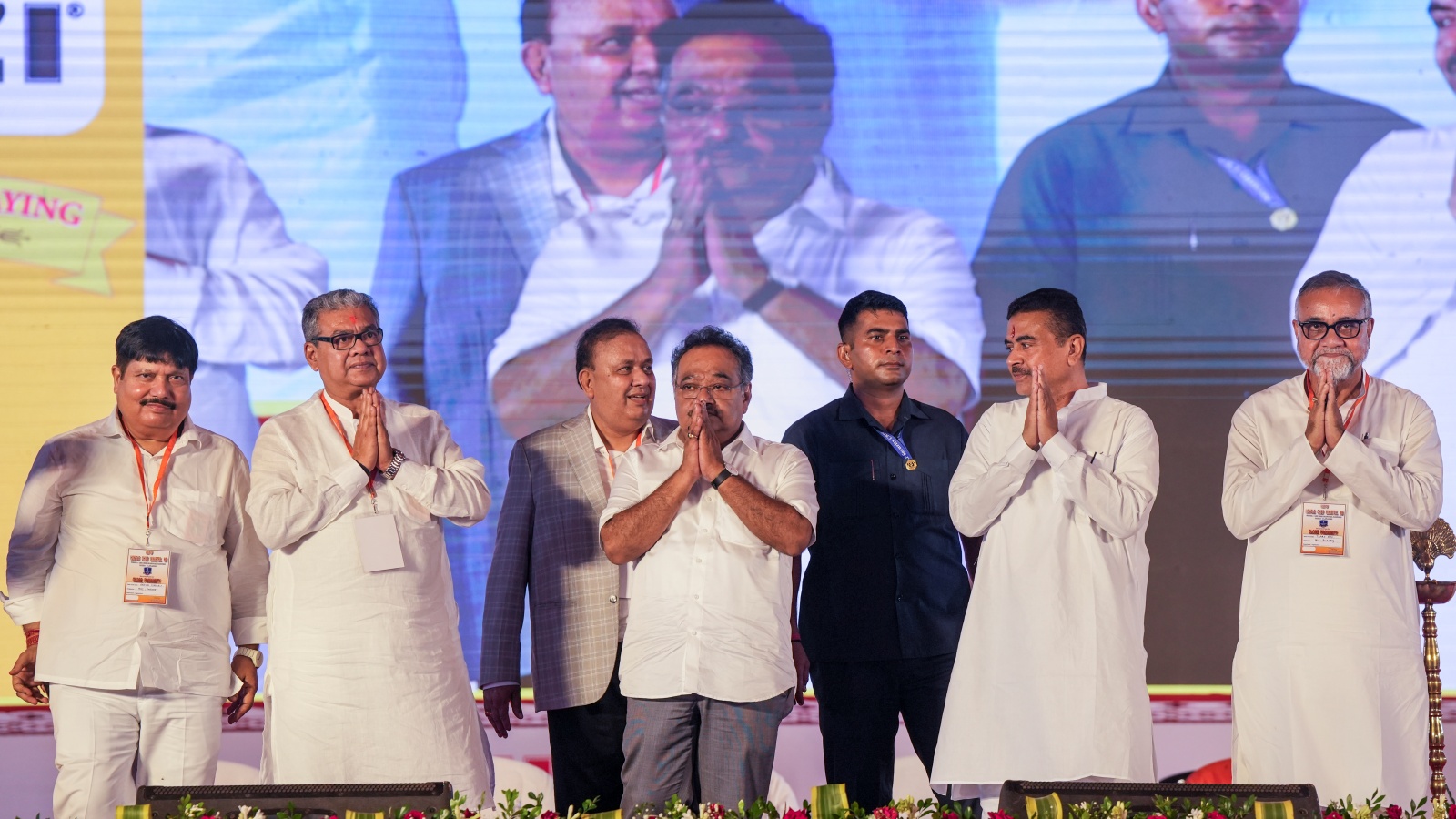
West Bengal Chief Minister Suvendu Adhikari used the foundation‑stone ceremony of a ₹600 crore Lux Industry Ltd plant in Dankuni, Hooghly, to declare that the state will now rely on “direct purchase” rather than “acquisition” of land for industrial needs. The move is framed as a safeguard against the violent land‑conflict legacies of Nandigram (2007) and Singur (2006), which had stunted investment and created deep social fissures.
Historical Context
Both Nandigram and Singur became emblematic of the pitfalls of forced land acquisition, leading to mass protests, police action, and a tarnished investment climate. By shifting to a market‑based purchase model, the Adhikari administration hopes to negotiate with landowners transparently, reducing the risk of future unrest.
Policy Mechanics
Under the Direct Land Purchase Policy, the government will pre‑emptively buy land—already done for the BSF, railways, national highways, and a new airport—and hand it over to private industrialists. This eliminates the protracted, contentious acquisition process. Simultaneously, a single‑window clearance system will be created for proposals exceeding ₹100 crore, consolidating land, environmental, and other clearances under the West Bengal Industrial Development Corporation (WBIDC) and relevant state departments.
Fiscal Rationale
Adhikari highlighted that the state’s debt ballooned from roughly ₹2 lakh crore during the Left Front era to nearly ₹8 lakh crore under the previous Trinamool government. Attracting large‑scale investments is therefore critical to augmenting the state’s own revenue base. The streamlined process is expected to cut both time and transaction costs, reviving investor confidence and generating new jobs.
Implementation and Outlook
Key figures at the ceremony included Lux Cozi founder Ashok Todi, Industries Minister Tapas Roy, and BJP state president Shamik Bhattacharya. The new plant will cover 12 lakh sq ft, situated just 10 km from Singur. Adhikari assured industrialists, “You will reap the benefits of a double‑engine government; law and order have improved, and we are committed to a hassle‑free business environment.”