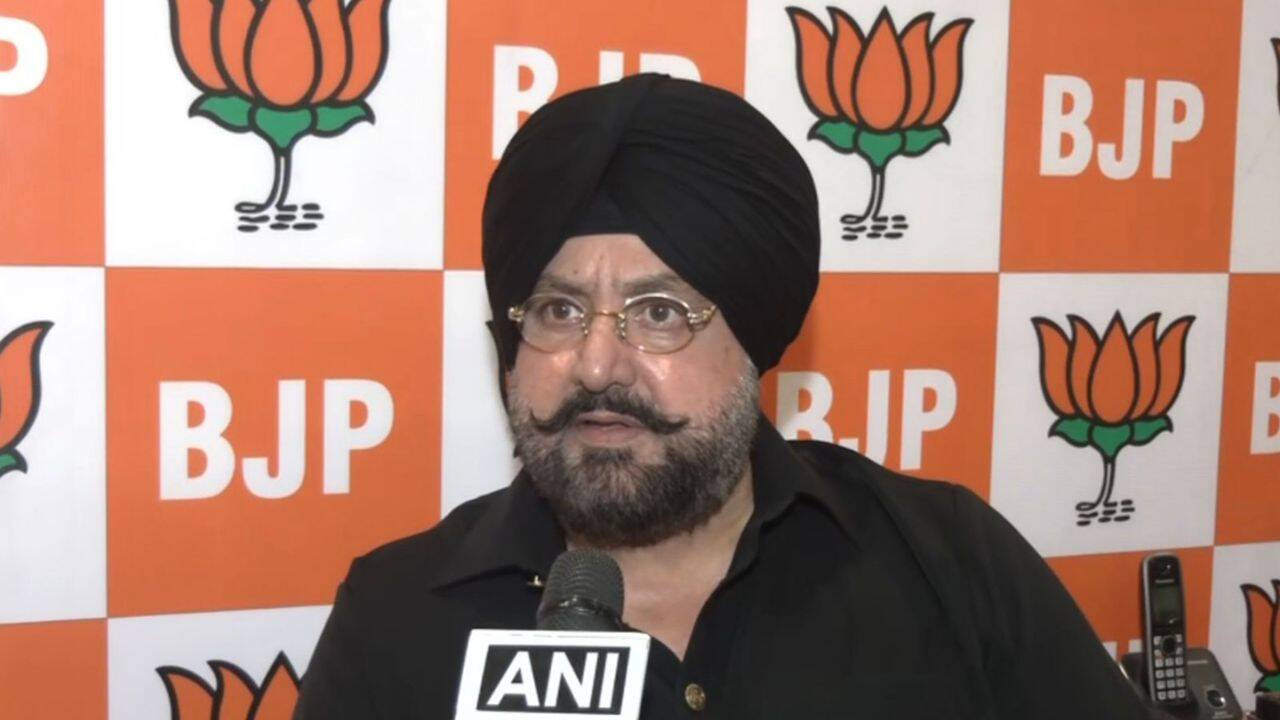
Punjab BJP leader Fatehjung Singh Bajwa warned that the Congress is no longer a contender for the 2027 assembly polls, suggesting that merely retaining its 18 seats would be a success. He highlighted internal infighting and accusations of compromises with the state leadership. Congress, meanwhile, insists on unity but faces lingering factional doubts.
Key Takeaways
- Bajwa says Congress is "out of the race" for the 2027 Punjab elections.
- Internal disputes and alleged compromises are eroding Congress’s credibility.
- BJP sees the situation as an opportunity to expand its vote‑share.
Fatehjung Singh Bajwa addressed the media on Sunday, stating unequivocally that the Congress has lost its competitive edge ahead of the 2027 Punjab Legislative Assembly elections. “The Congress faces no external threat; its own members tear each other apart. Given the current situation in Punjab, I believe the Congress is no longer even in the race… it would be a significant achievement if they could simply retain the 18 seats they previously held,” Bajwa told ANI.
Historical Context of Congress in Punjab
Over the past two decades, the Indian National Congress has experienced a roller‑coaster ride in Punjab. After a decisive victory in 2017 under Amarinder Singh, the party reclaimed power in 2022 but with a slender majority of 18 seats out of 117. The 2022 win was marred by internal power struggles, especially between supporters of former chief minister Amarinder Singh and those backing Charanjit Singh Channi. These fissures have resurfaced as the party prepares for the next electoral cycle.
Bajwa’s Allegations and Congress’s Counter‑Narrative
Bajwa accused senior Congress leaders of compromising with the ruling AAP government, specifically naming Raja Warring and alleging a deal with Chief Minister Bhagwant Mann. He suggested that such back‑door arrangements further weaken the party’s standing. In response, AICC general secretary in charge of Punjab Bhupesh Baghel dismissed any notion of factionalism, emphasizing that “there is no resentment within the party. All workers and leaders want to have some responsibility in the 2027 elections.” He added that he has been meeting committees and senior leaders to consolidate the campaign.
Calls for Unity Amidst Internal Tension
Congress leader Sukhjinder Singh Randhawa echoed Baghel’s sentiment, stressing that unity is vital but warned against “compromised leaders” holding influential positions. This nuanced stance indicates that while the party projects cohesion publicly, there remains an undercurrent of distrust regarding leaders perceived to have yielded to the state government.
Implications for the 2027 Election Landscape
Bajwa’s remarks signal a strategic pivot for the BJP, which aims to capitalize on Congress’s perceived weakness. If the Congress fails to retain its 18 seats, the BJP could potentially increase its tally beyond the modest two seats it currently holds. Political analysts also note the rising relevance of the Aam Aadmi Party (AAP) and regional outfits, suggesting that Punjab’s electoral map may become more fragmented. The ability of Congress to resolve its internal disputes could determine whether it remains a kingmaker or fades into the background.
In sum, Punjab’s political arena is poised for a high‑stakes contest in 2027. While the BJP is positioning itself to exploit the opposition’s disarray, the Congress must urgently mend its internal rifts to avoid a further decline in influence.