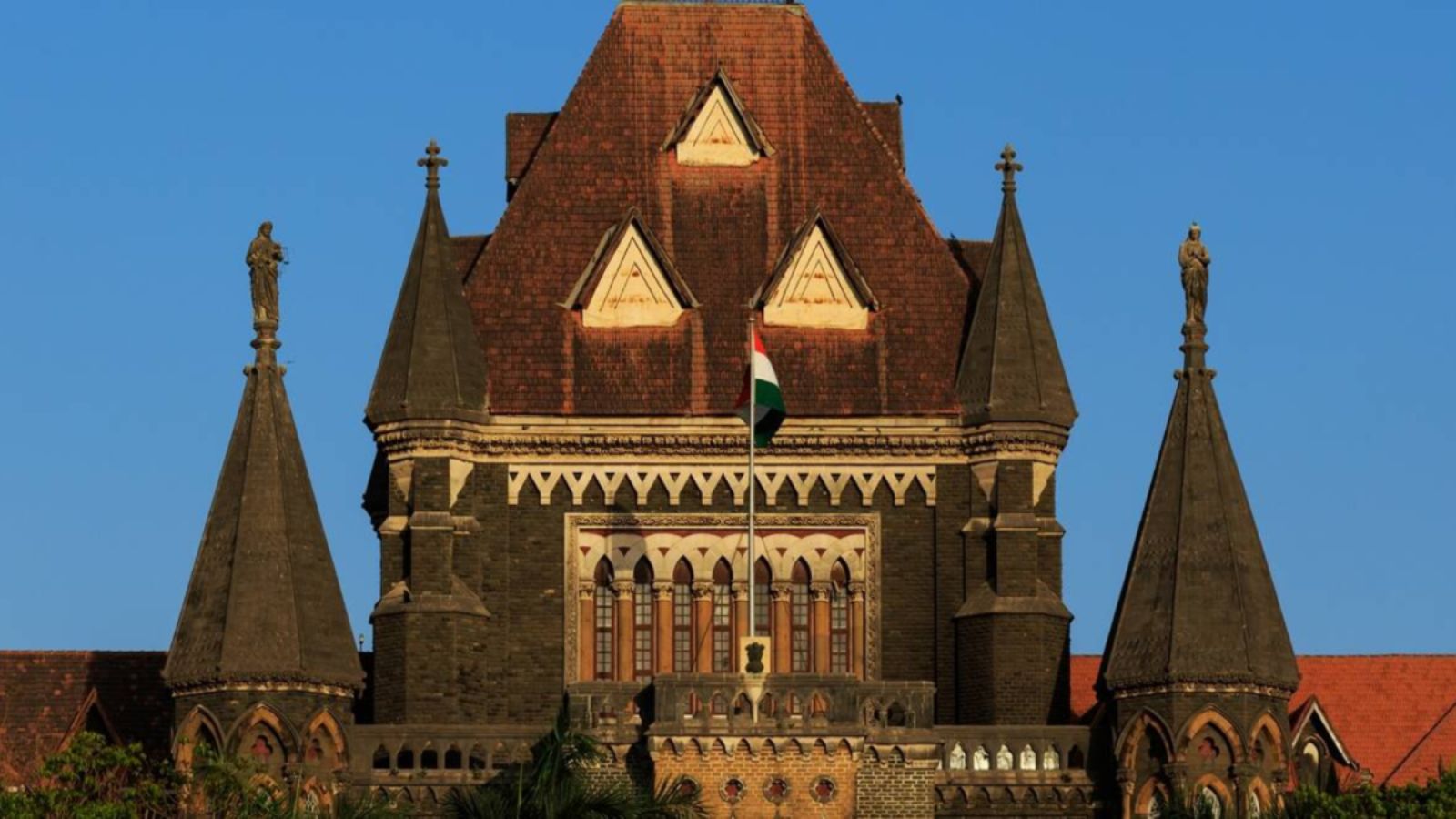
The Bombay High Court has endorsed integrated redevelopment of large MHADA layouts, a move that could reshape housing for millions and influence the city's infrastructure planning. The decision also impacts multi‑billion‑rupee projects like the Bandra‑Worli redevelopment.
Key Takeaways (मुख्य बिंदु)
- Bombay High Court favors integrated, cluster‑based redevelopment for MHADA estates
- Bandara‑Worli projects valued at over ₹37,000 crore are directly affected
- The ruling will influence housing outcomes for thousands of families across Mumbai
The Bombay High Court issued a landmark judgment this month, affirming that large Maharashtra Housing and Area Development Authority (MHADA) layouts should be redeveloped as integrated clusters rather than fragmented, society‑by‑society projects. The ruling provides a clear legal framework for the ongoing Bandra‑Worli reclamation scheme and other high‑value redevelopment initiatives.
Background
MHADA was created in the 1950s‑1960s to deliver affordable housing for the Middle‑Income Group (MIG) and Lower‑Income Group (LIG). Decades later, many of these structures have deteriorated, and individual housing societies have sought separate redevelopment rights under the Development Control and Promotion Regulations (DCPR). In 2024‑2025, the state introduced a policy for “cluster” or integrated redevelopment of layouts spanning 20 acres or more, allowing a single private construction‑development (C&D) agency to handle the entire project.
Court’s Reasoning
Justices Makarand S. Karnik and Shriram M. Modak dismissed petitions from housing societies on July 2, holding that "MHADA‑led redevelopment is justified considering the nature and size of the layout, the age of the buildings, the public housing‑policy framework and the need for integrated planning." The bench emphasized that integrated redevelopment enables roads, utilities and amenities to be planned holistically, avoiding the inefficiencies of piecemeal, society‑specific projects.
Implications for Stakeholders
Under the e‑tender process, developers must secure consent from at least 51% of the cooperative societies in a layout, granting societies a meaningful say while limiting absolute control over MHADA land. Residents are expected to receive rehabilitation areas more than twice their current tenements, but the move also curtails individual societies’ ability to negotiate separate deals, potentially sparking future litigation.
Future Outlook
Beyond Bandra‑Worli, the decision reinforces earlier High Court judgments upholding integrated redevelopment of Motilal Nagar and Abhyuday Nagar. If the Supreme Court upholds this precedent, Mumbai’s urban planning could shift decisively toward cluster‑based schemes, addressing chronic issues such as flooding, water‑logging, and inadequate public amenities. The ruling thus promises a more coordinated, long‑term solution for the city’s housing crisis.