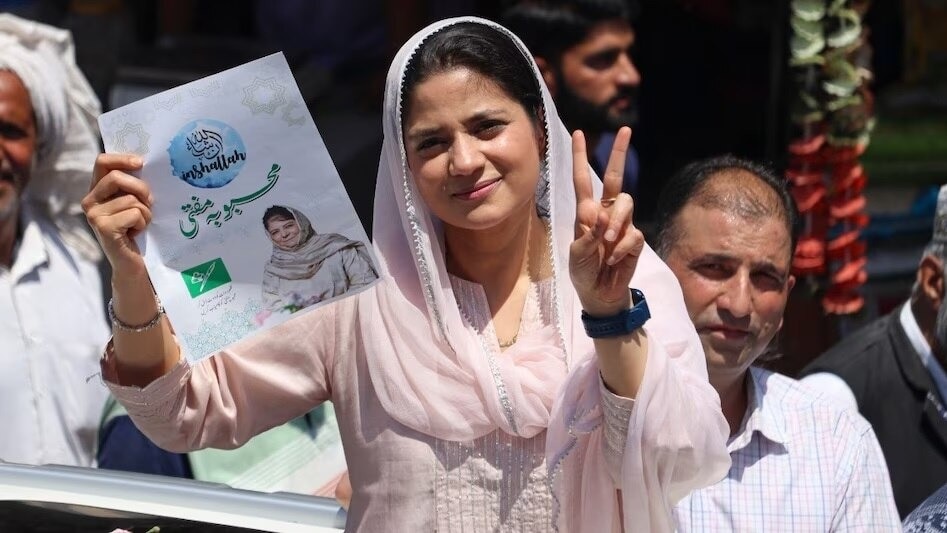
Jammu & Kashmir PDP leader Iltija Mufti alleges that she and her mother, party chief Mehbooba Mufti, have been confined to their home ahead of the upcoming Martyrs’ Day. She accuses the police and local administration of using the occasion to suppress political opponents.
मुख्य बिंदु (Key Takeaways)
- Iltija Mufti alleges house arrest of her family
- Police action timed with Martyrs’ Day perceived as political pressure
- Local government and police appear to be coordinating
The political climate in Jammu & Kashmir has taken a sharp turn after PDP figure Iltija Mufti posted a video showing police vehicles stationed outside her residence, claiming that she and her mother, Mehbooba Mufti, are under house arrest ahead of Martyrs’ Day on July 13.
Historical Context of Martyrs’ Day
Martyrs’ Day commemorates the 1931 massacre of 21 civilians by Dogra forces. The holiday was removed from the official calendar after the abrogation of Article 370 in 2019, yet it remains a potent symbol for many Kashmiri residents. Conducting a crackdown on the eve of such a commemorative day raises serious concerns about the intent behind the security measures.
Police‑Administration Nexus
Iltija accuses the Jammu & Kashmir Police and the regional administration of acting in concert to silence political dissent. She references recent demolitions of tribal homes in Sidhra, Doda district, suggesting a pattern of using force to intimidate opposition figures. Human rights observers have flagged such tactics as violations of both domestic law and international norms.
Environmental Advocacy and Amarnath Yatra
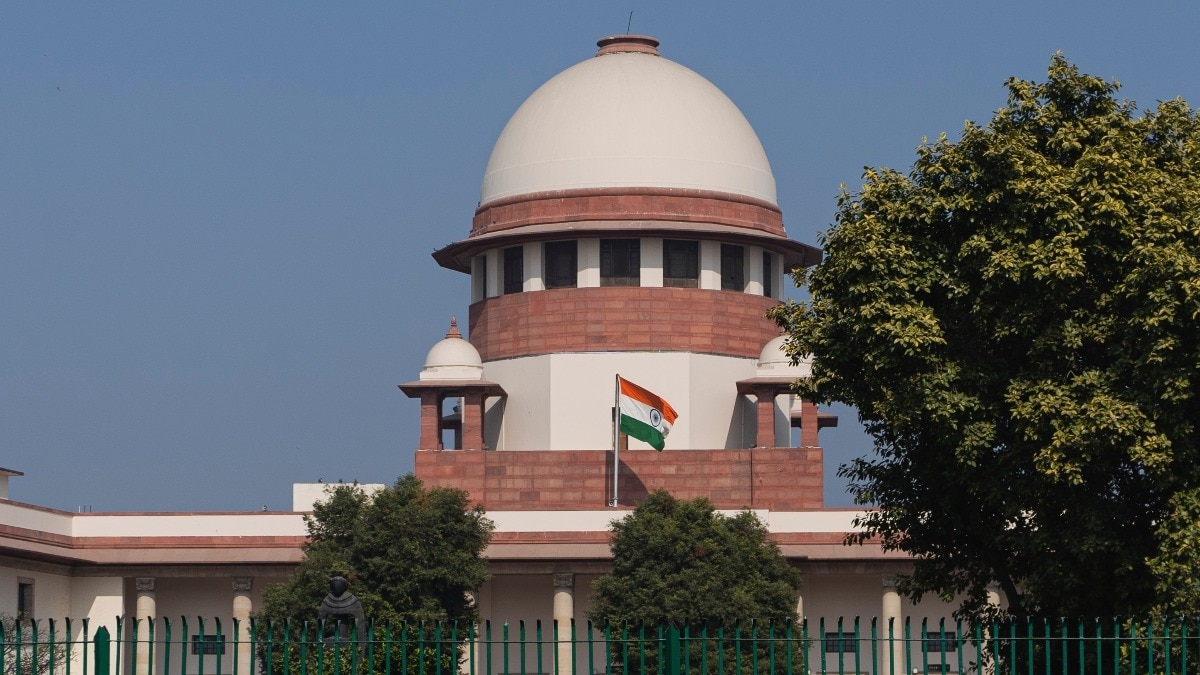
Beyond the house‑arrest claim, Iltija has previously highlighted ecological damage linked to the Amarnath pilgrimage, sharing images of a shrinking ice lingam and urging stricter enforcement of the Supreme Court‑mandated cap of 10,000 pilgrims per day. This dual focus underscores her broader agenda that intertwines political rights with environmental stewardship.
Implications for Governance
If substantiated, the allegations could erode confidence in the state's democratic institutions and invite scrutiny from national and international watchdogs. The central government’s response, as well as any independent investigations, will be pivotal in determining whether Jammu & Kashmir can restore a credible rule of law or slide further into authoritarian practices.