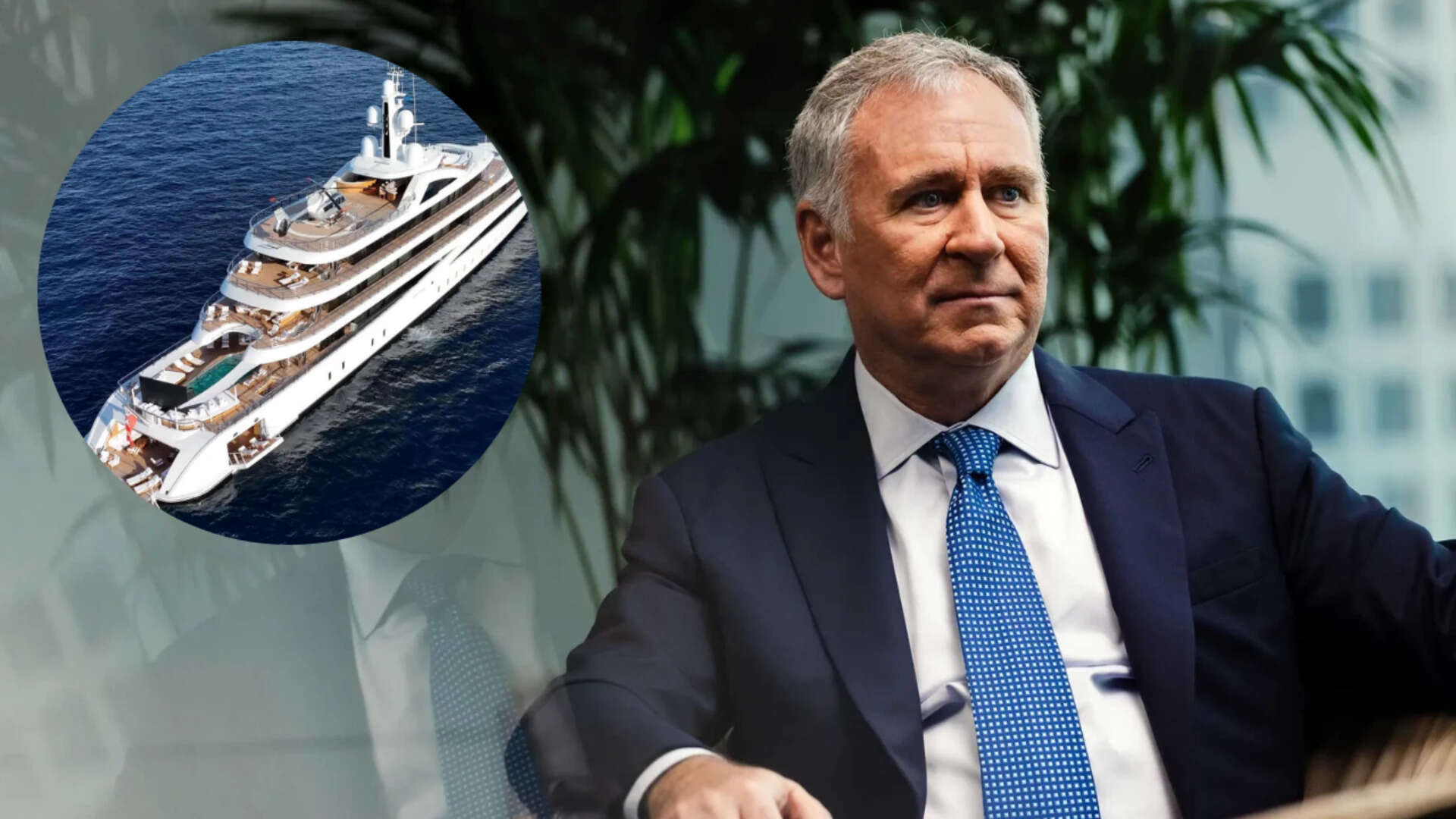
Billionaire Ken Griffin is lobbying Miami Beach officials to amend zoning regulations, allowing a private helipad on Terminal Island. The move would complement his existing marina and superyacht complex, expanding his luxury transport network.
मुख्य बिंदु (Key Takeaways)
- Ken Griffin wants zoning changes to permit a private helipad.
- The helipad would be located on industrially zoned Terminal Island.
- The proposal adds a new dimension to Griffin's high‑end maritime assets.
American billionaire and Citadel founder Ken Griffin has formally requested Miami Beach to revise its zoning code so that a private helipad can be built on industrially‑designated land at Terminal Island. Griffin already owns a $250 million superyacht facility and a private marina in the area, and he now seeks to integrate aerial mobility into his luxury portfolio.
Regulatory context and zoning constraints
Miami Beach’s zoning ordinances are designed to balance commercial growth with residential quality of life, restricting high‑noise activities such as private helipads in certain districts. Terminal Island is currently classified for industrial use only, and existing regulations expressly forbid private aviation facilities. Griffin’s proposal would carve out an exception, positioning the helipad at a safe distance from nearby neighborhoods while still providing direct access to his maritime assets.
Economic and social ramifications
Approval could set a precedent for ultra‑high‑net‑worth individuals seeking bespoke transportation solutions, potentially boosting the city’s reputation as a premium real‑estate hub. The presence of a private helipad may attract additional luxury developers, increasing property values and tax revenues. Conversely, community groups and environmental advocates warn of increased noise, air emissions, and safety concerns, arguing that the public interest must not be sacrificed for private convenience.
Next steps and public scrutiny
The Miami Beach Planning Commission will schedule a public hearing, followed by an environmental impact assessment, before any amendment can be adopted. Griffin has pledged to comply with all procedural requirements and to work closely with city officials. Meanwhile, local residents are mobilizing to voice their concerns, underscoring the broader debate over how much influence wealthy investors should wield over municipal land‑use decisions.
Broader implications
Should the helipad be authorized, it could become a template for future requests from other billionaires seeking similar private aviation hubs. The case highlights the tension between economic development incentives and community‑centred urban planning, a balance that many coastal cities are grappling with amid rising demand for exclusive infrastructure.