A recent C‑Voter poll shows that over half of NDA supporters refuse to adopt E20 petrol, citing reduced mileage, engine wear, and impact on older vehicles. The findings raise serious questions about the government's ethanol‑mix policy rollout.
मुख्य बिंदु (Key Takeaways)
- 52.5% of NDA supporters oppose E20 petrol
- Mileage loss and engine safety are the top worries
- Demand for parallel conventional and ethanol‑blend options is rising
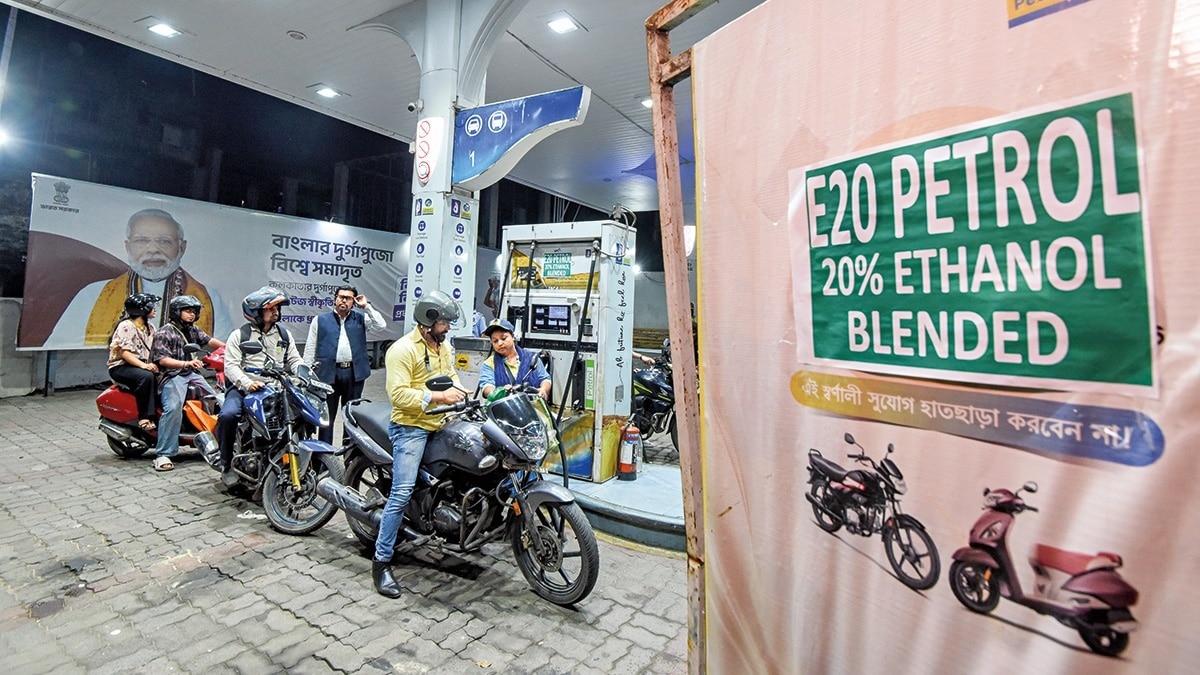
The Indian government is pushing a 20% ethanol‑blended fuel, E20 petrol, as a national strategy to curb crude oil imports, lower emissions, and boost sugarcane farmers. Yet a fresh C‑Voter survey reveals widespread resistance, especially among supporters of the National Democratic Alliance (NDA).
Survey Highlights
According to the poll, 52.5% of NDA voters said they would not use E20 in their vehicles, while only 18.1% expressed support. Opposition is even stronger among rival party backers, with 57.9% rejecting the blend. Overall, 55.1% of respondents indicated they would avoid E20 altogether.
Primary Concerns: Mileage and Engine Health
The leading reasons for rejection revolve around performance. A solid 52.8% believe E20 will reduce mileage, a sentiment echoed across both NDA and opposition camps. Moreover, 54.2% fear that ethanol‑mixed fuel could damage engines, particularly older models that were designed for lower‑ethanol blends such as E10.
Older Vehicle Owners Feel Underserved
More than half (56.3%) think mandating E20 would be unfair to owners of older cars. This perception is shared by 49.2% of NDA supporters and 65.8% of opposition supporters, highlighting a socio‑economic dimension to the policy debate.
Choice and Pricing Preferences
Despite the resistance, 75.9% of respondents demand a dual‑market approach—both ethanol‑blended and pure petrol should remain available. Additionally, 74.5% argue that E20 should be priced lower than regular petrol. Yet only 40.8% say a lower price would sway them to adopt the blend, indicating price alone cannot rebuild trust.
Implications for Policy Makers
While 37.2% fully agree that E20 will reduce imports, 17.1% completely disagree, underscoring a split perception of the policy’s benefits. To move forward, the government must pair its economic objectives with transparent performance data and consumer‑friendly options to secure public confidence.