Effective April 2026, Ladakh will shift from two districts to seven, with a custom Article 371 framework creating a Union Territory‑level body above the hill councils, endowed with legislative, executive, financial and administrative powers.
मुख्य बिंदु (Key Takeaways)
- Ladakh will be reorganised into seven districts, expanding local administrative reach.
- A custom Article 371 body will sit above the hill councils, holding comprehensive powers.
- The reform aims to boost regional development, citizen participation, and fiscal planning.
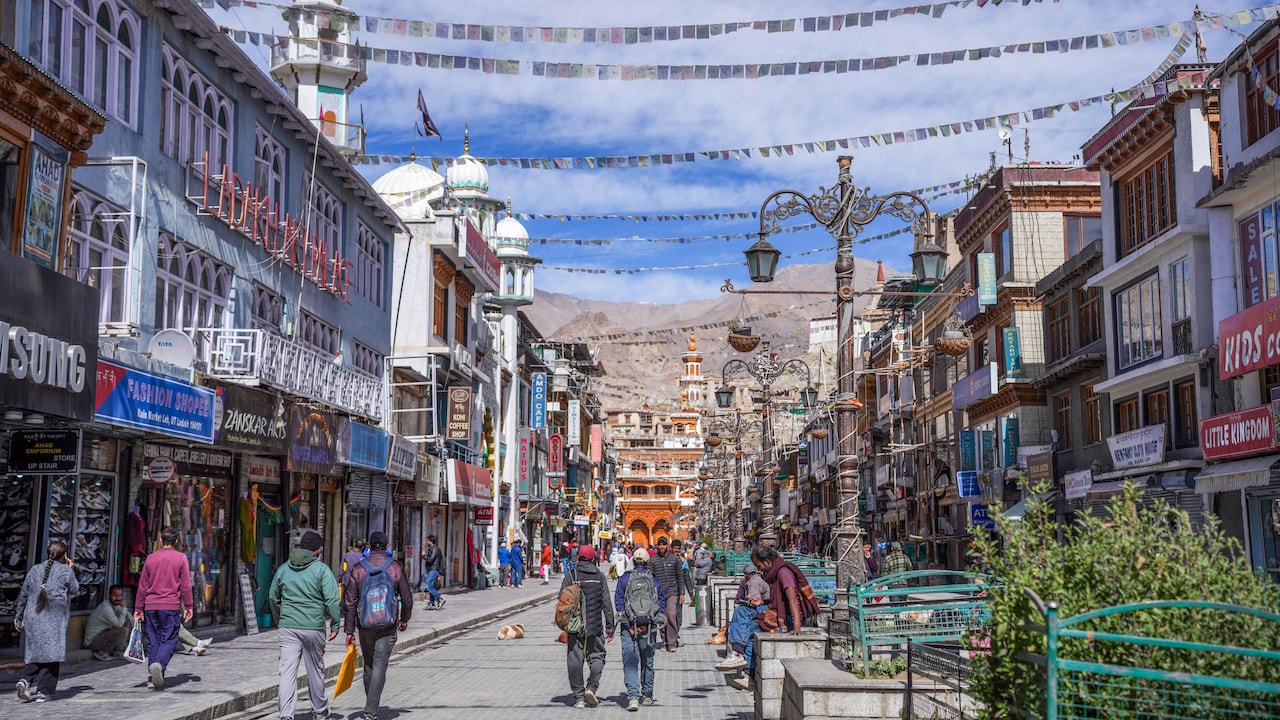
Ladakh, which attained Union Territory status in 2019, is now rewriting its administrative map. From April 2026, the existing two‑district configuration (Leh and Kargil) will be replaced by seven districts, a move designed to bring governance closer to remote, mountainous communities and to improve service delivery.
Custom Article 371 Framework
Chief Secretary Ashish Kundra announced that a new Union Territory‑level authority will be created under a customised Article 371 provision. This body will sit above the seven hill councils and wield legislative, executive, financial and administrative authority, mirroring the special provisions already used in states like Uttarakhand and Andhra Pradesh.
Role of Hill Councils
Each of the seven new districts will host a hill council tasked with overseeing local development projects, infrastructure upgrades, and social‑welfare schemes. By granting these councils fiscal autonomy, the government hopes to enable more responsive budgeting and faster implementation of region‑specific initiatives. Analysts suggest that this structure could harmonise the diverse ethnic and cultural groups across Ladakh, fostering greater social cohesion.
Potential Challenges and Future Outlook
While the reform promises significant benefits, challenges such as administrative capacity, skilled personnel shortages, and adequate funding remain. Coordinated efforts between the central government and local institutions will be essential to provide training, technological support, and transparent oversight mechanisms. If these hurdles are navigated successfully, Ladakh’s model could become a template for other Himalayan and high‑altitude regions, elevating the overall quality of local governance across India.