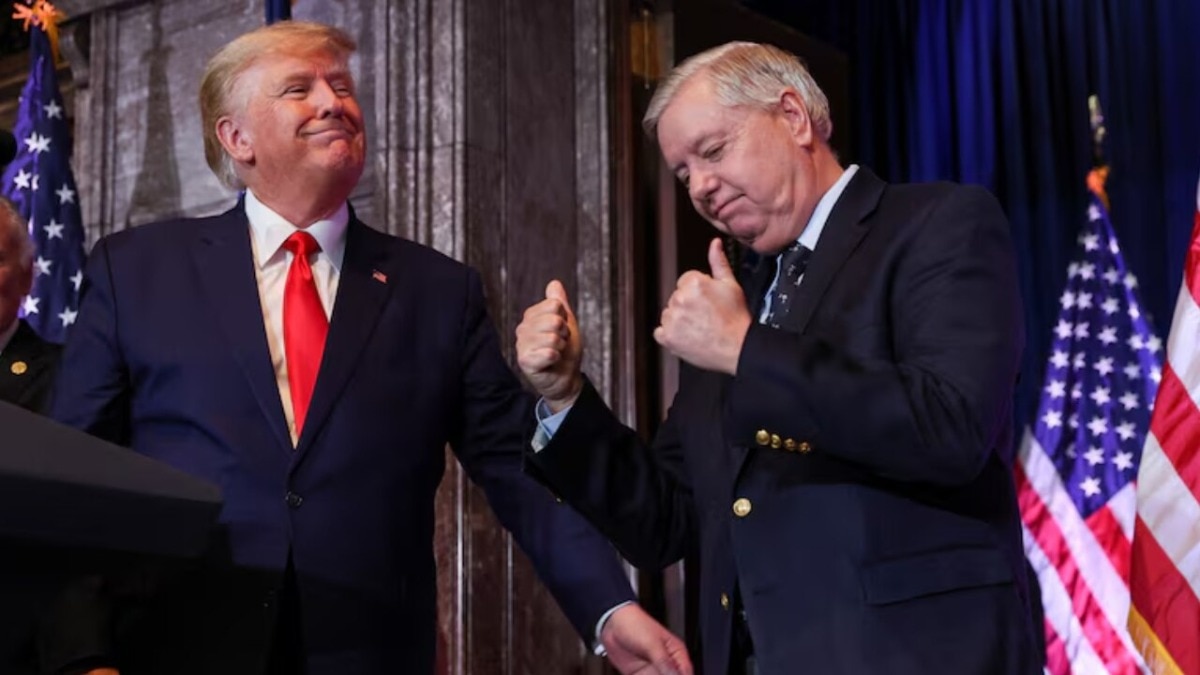
Following the sudden death of Senator Lindsey Graham, the MAGA movement has floated conspiracy theories linking Russia and Iran to the alleged killing. The narrative adds another layer to an already polarized U.S. political climate.
मुख्य बिंदु (Key Takeaways)
- MAGA circulates Russia‑Iran assassination conspiracy after Graham’s death.
- Such theories intensify political polarization in the United States.
- Experts warn the rumors could affect foreign policy and domestic security.
Lindsey Graham, a long‑standing Republican senator and former chairman of the Senate Judiciary Committee, died unexpectedly, sending shockwaves through Washington. While official cause of death remains pending, the vacuum has been filled by speculation, especially among vocal supporters of the MAGA (Make America Great Again) movement.
Historical Echoes of Conspiracy Narratives
The United States has a history of blaming foreign powers for domestic turmoil. After the 2016 election, allegations of Russian interference dominated headlines. Iran, meanwhile, has frequently been portrayed as an adversary of U.S. interests. In the wake of Graham’s death, a handful of prominent MAGA voices swiftly implicated both nations in a purported assassination plot, offering no verifiable evidence.
Potential Implications and Risks
These unsubstantiated claims carry two major risks. First, they erode public trust in official investigations, fostering cynicism toward governmental transparency. Second, they could shape foreign‑policy calculations; policymakers who feel pressured to publicly condemn alleged foreign actors may opt for more aggressive postures rather than diplomatic engagement.
Expert Analysis
Political science professor Dr. Anita Singh notes, “Conspiracy narratives thrive on social media because they tap into existing partisan anxieties. Graham’s death is being weaponized to rally the MAGA base, but such tactics undermine long‑term democratic resilience.”
Looking Ahead
Investigative agencies are expected to release a definitive cause of death soon, aiming to curb the spread of misinformation. Meanwhile, social‑media platforms bear responsibility for detecting and limiting the circulation of false claims that could destabilize public discourse.