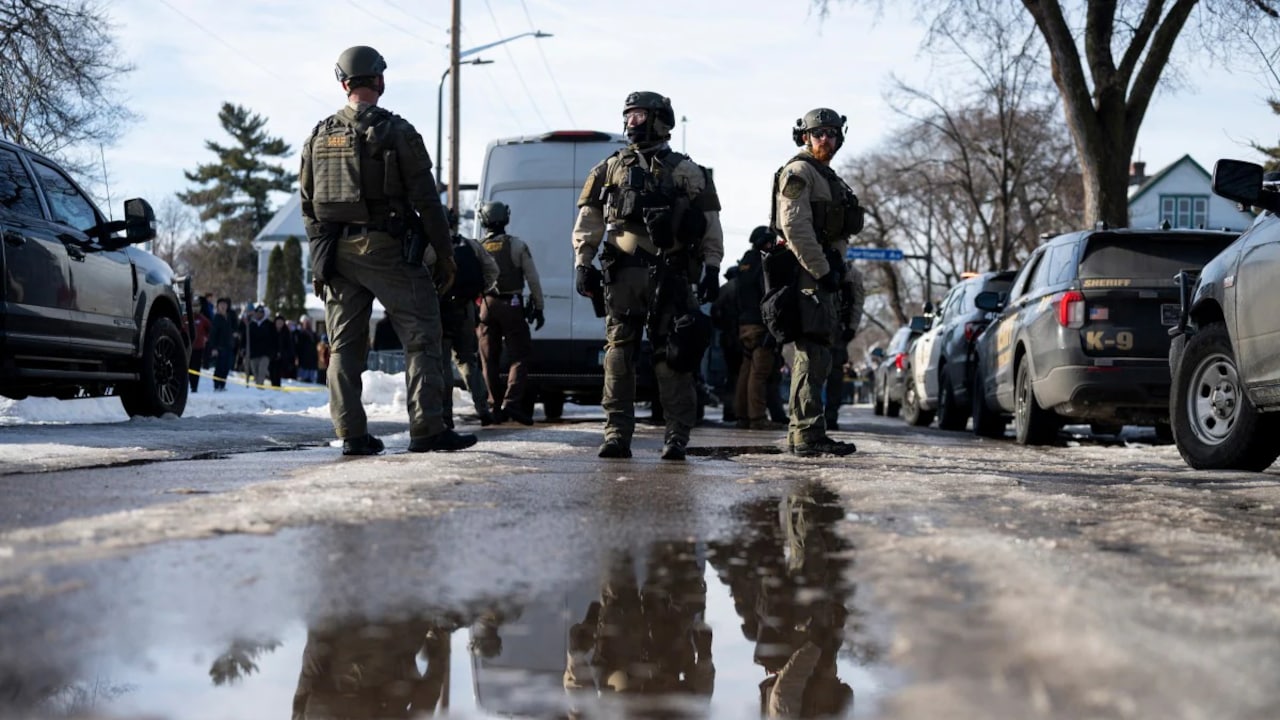
A shooting in Maine that involved an Immigration and Customs Enforcement (ICE) officer resulted in one fatality. The State House Speaker confirmed the incident and noted that ICE had halted its "enhanced operations" in the state earlier this year.
Key Takeaways
- ICE suspended enhanced operations in Maine
- One fatality resulted from a shooting involving ICE personnel
- State House Speaker publicly addressed the incident
When a gunman opened fire in Maine, an Immigration and Customs Enforcement (ICE) officer was among those involved, and one person was killed, the State House Speaker Gary McDonald announced. The incident raises immediate concerns about local safety while intensifying the national debate over ICE’s presence and tactics in the United States.
Background of ICE’s “Enhanced Operations”
In late January, ICE announced that it had ceased its "enhanced operations" in Maine after conducting hundreds of arrests. Civil‑rights groups criticized the program as overly aggressive toward undocumented residents, whereas some state officials argued it was a necessary measure to curb illegal immigration.
Details of the Shooting and Immediate Response
According to local law enforcement, the confrontation involved two individuals, one of whom was an ICE officer. The victim was transported to a hospital but succumbed to severe injuries. Following the incident, the Maine State Police launched a comprehensive investigation, promising to examine any potential lapses in protocol.
Political and Social Ramifications
The shooting has reignited political tensions in the state capital. The Speaker emphasized, "We mourn this tragic loss and demand a thorough investigation." Lawmakers from both parties have raised questions about ICE’s continued presence, while advocacy groups demand accountability and transparency.
Future Outlook and Potential Consequences
If the investigation reveals excessive force by the ICE officer, it could fuel calls for a federal reassessment of ICE’s operational mandates. Moreover, the episode may influence Maine’s future immigration policies and shape the broader dialogue on cooperation between local police and federal agencies.