Around 200 contract sanitation workers in Thoothukudi staged a protest demanding implementation of the 2026-27 statutory minimum wage and direct payment of arrears. Led by the All India Central Council of Trade Unions (AICCTU), the demonstration also called for the termination of a private contractor accused of corruption.
Key Takeaways
- Workers demand enforcement of the 2026-27 minimum wage for all sanitation staff.
- AICCTU accuses the private contractor of persistent irregularities and corruption.
- The protest disrupted sanitation services in parts of Thoothukudi.
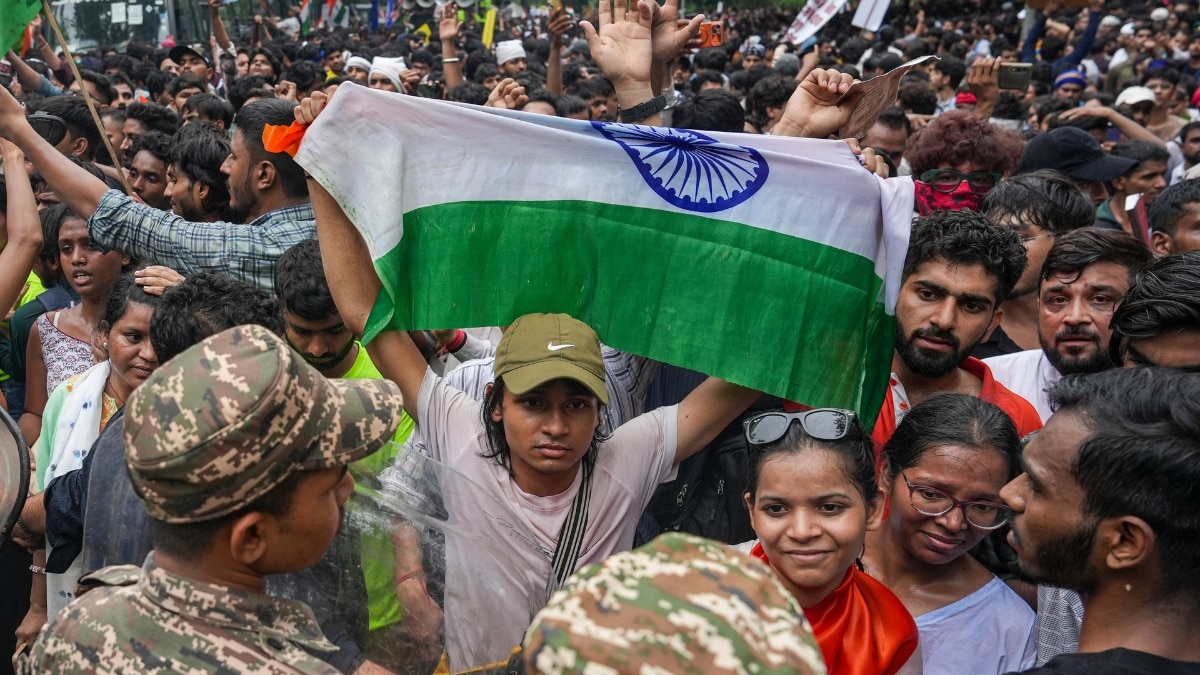
On July 13, 2026, approximately two hundred contract sanitation workers gathered in front of the Thoothukudi Corporation office to stage a coordinated protest. The demonstration was organized by the All India Central Council of Trade Unions (AICCTU) and led by its State Vice‑President T. Sahayam, highlighting both wage grievances and allegations of malpractices by a private contractor.
Core Demands of the Workers
The workers insist that the statutory minimum wages, as notified by the Thoothukudi District Collector for the fiscal year 2026‑27, be fully applied to every sanitation employee. They also seek the immediate credit of outstanding wages directly into their bank accounts, aiming to eliminate delays and ensure financial transparency.
AICCTU’s Allegations and Call for Contract Termination
AICCTU has accused the private firm handling sanitation services of systematic irregularities, including under‑payment, delayed salaries, and corrupt procurement practices. The union’s Workers’ Rights Movement demanded that the corporation terminate the existing contract and replace the contractor with a transparent, publicly accountable entity.
Corporate Response and Ongoing Standoff
Following the protest, corporation officials entered into multiple rounds of dialogue with AICCTU representatives. However, talks failed to produce a mutually acceptable resolution, prompting demonstrators to continue their agitation. Police presence around the corporation premises was heightened to deter any escalation.
Potential Implications and Future Outlook
If the protest achieves its objectives, it could set a precedent for renegotiating public‑service contracts across Tamil Nadu and beyond, reinforcing labor rights in the informal sector. Moreover, the episode may trigger broader scrutiny of private contractors in municipal projects, encouraging stricter oversight and policy reforms at the state level.