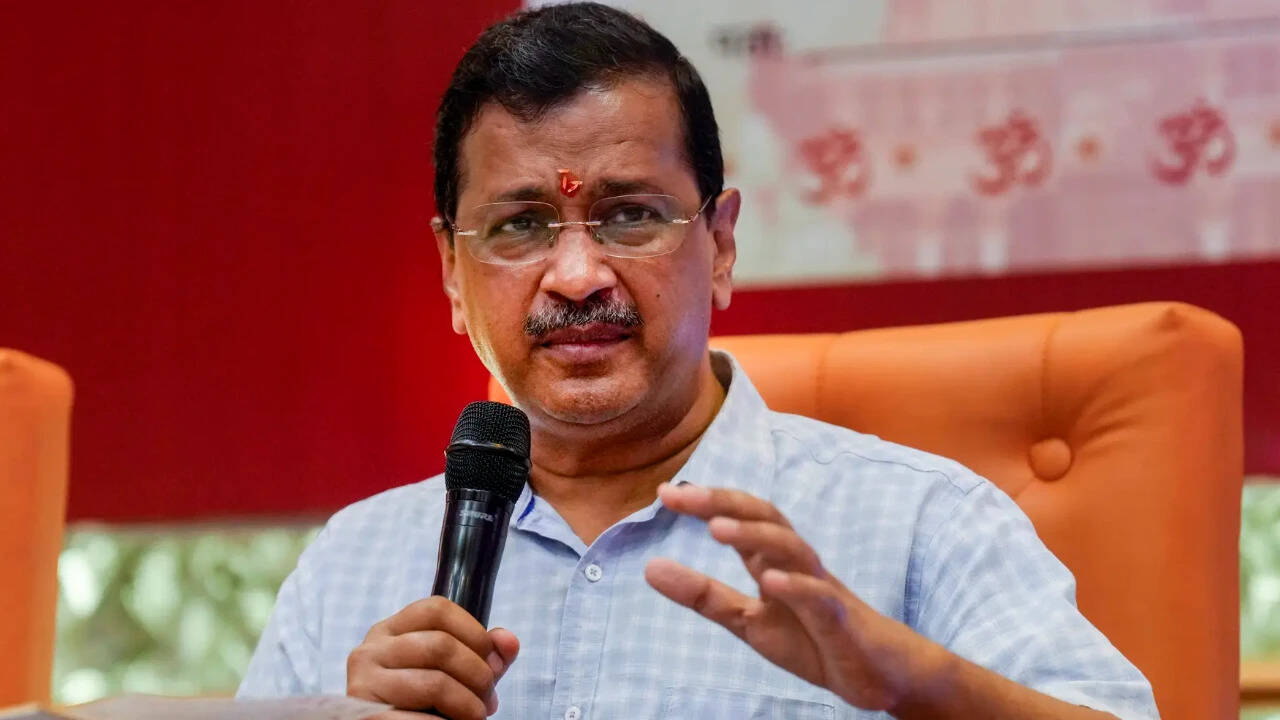
Arvind Kejriwal has kicked off a country‑wide petition to press for capital punishment for those accused of stealing donations meant for the Ayodhya Ram temple. He opened the campaign in Delhi, signing an open letter to Prime Minister Narendra Modi and urging citizens to recite the Hanuman Chalisa for support.
Key Takeaways (मुख्य बिंदु)
- AAP seeks death penalty for alleged Ayodhya donation thieves
- Kejriwal launches a national signature drive
- BJP accuses the campaign of communal polarization
New Delhi – Arvind Kejriwal, national convenor of the Aam Aadmi Party (AAP), inaugurated a nationwide signature campaign on Sunday in Rohini, Delhi, demanding capital punishment for those involved in the alleged theft of donations meant for the Ayodhya Ram temple. Accompanied by his wife, Kejriwal put his first signature on an open letter addressed to Prime Minister Narendra Modi.
Political backdrop and the Ayodhya controversy
The controversy erupted after several high‑profile donors alleged that their contributions to the Ram temple fund had gone missing or been misappropriated. The issue quickly became a political flashpoint, pitting the ruling BJP against opposition parties, especially AAP, which has framed the matter as a moral and religious affront to the nation’s Hindu majority.
Kejriwal’s call to action
Via a post on X (formerly Twitter), Kejriwal wrote, “Devotees of Lord Ram worldwide are in deep anguish. We recited the Sundarkand today to pledge that we will not rest until those who committed the dacoity at the home of our revered Prabhu Shri Ram are hanged.” He urged people across India to organize Hanuman Chalisa recitations and collect signatures on the letter, aiming for a target of more than one million signatures.
BJP’s counter‑narrative
Delhi BJP functionary Praveen Kapoor dismissed the drive as a two‑pronged attack: “First, to defame the Ram Mandir and Sanatan Dharma; second, to break the unity of Hindu voters.” Kapoor’s remarks reflect the BJP’s broader strategy of portraying opposition initiatives as attempts to undermine communal harmony.
Implications for Indian politics
If the signature drive gains momentum, it could provide AAP with a fresh rallying point ahead of upcoming state elections, especially in regions where religious sentiment heavily influences voting patterns. Conversely, a tepid response from the central government might fuel further criticism of its handling of high‑profile corruption cases, potentially reshaping the narrative around law, order, and religious identity in India.