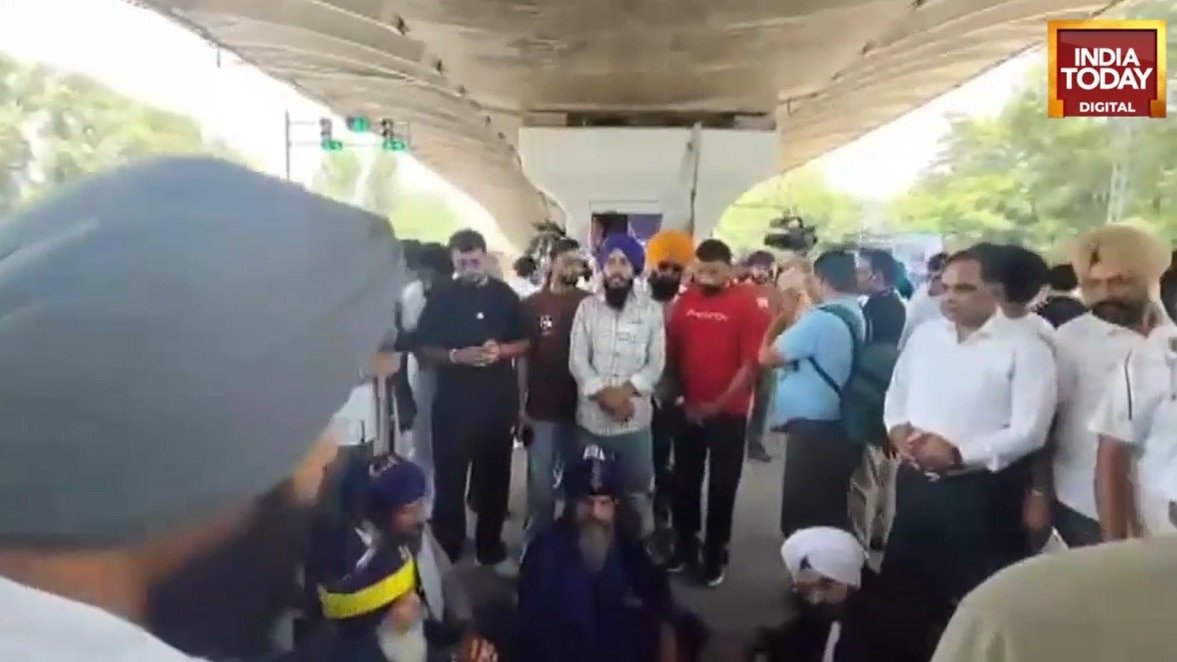
A protest by Nihang Sikhs on Ludhiana’s Ferozepur Road has halted traffic as they demand justice for the three‑year‑old death of Fatehveer Singh, while police maintain it was a natural death.
Key Takeaways
- Nihang Sikhs blocked Ferozepur Road outside the Deputy Commissioner’s office in Ludhiana.
- The protest seeks justice for the three‑year‑old death of Nihang activist Fatehveer Singh.
- Police, citing a Special Investigation Team (SIT) report, claim the death was natural, intensifying the standoff.
On Monday morning, a sizable group of Nihang Sikhs set up a sit‑in on Ferozepur Road, the main artery of Ludhiana, effectively paralyzing traffic. The blockade began around 10 a.m. outside the Deputy Commissioner’s office and stretched across both lanes, creating long queues of stalled vehicles and disrupting the daily commute of thousands.
Background of the Case
Fatehveer Singh, a well‑known member of the Nihang community, died under mysterious circumstances nearly three years ago. His family and community members have repeatedly appealed to the police and local administration for a thorough investigation, alleging that the death was a homicide and that the alleged perpetrators remain at large. Their frustration culminated in the present protest, which aims to force a re‑examination of the case.
Police Response
Deputy Commissioner of Police (DCP) Harpal Singh stated that a Special Investigation Team (SIT) had examined the evidence and concluded that the death was natural, not a homicide. This official stance has been rejected by the protesters, who claim the SIT’s findings are a cover‑up and that justice remains elusive.
Demands of the Protesters
The Nihang Sikhs have warned that their dharna and road blockade will continue until the police provide a concrete assurance of action, including the arrest of those they allege are responsible for Singh’s death. While the protest has remained peaceful, authorities have engaged in dialogue to restore traffic flow and prevent further disruption.
Implications and Outlook
The standoff highlights a broader tension between community expectations of accountability and institutional narratives. If the case is reopened for fresh investigation, it could restore confidence in the justice system and ease communal anxieties. Conversely, a continued impasse may exacerbate distrust and trigger similar protests across the region, underscoring the need for transparent, timely resolutions.