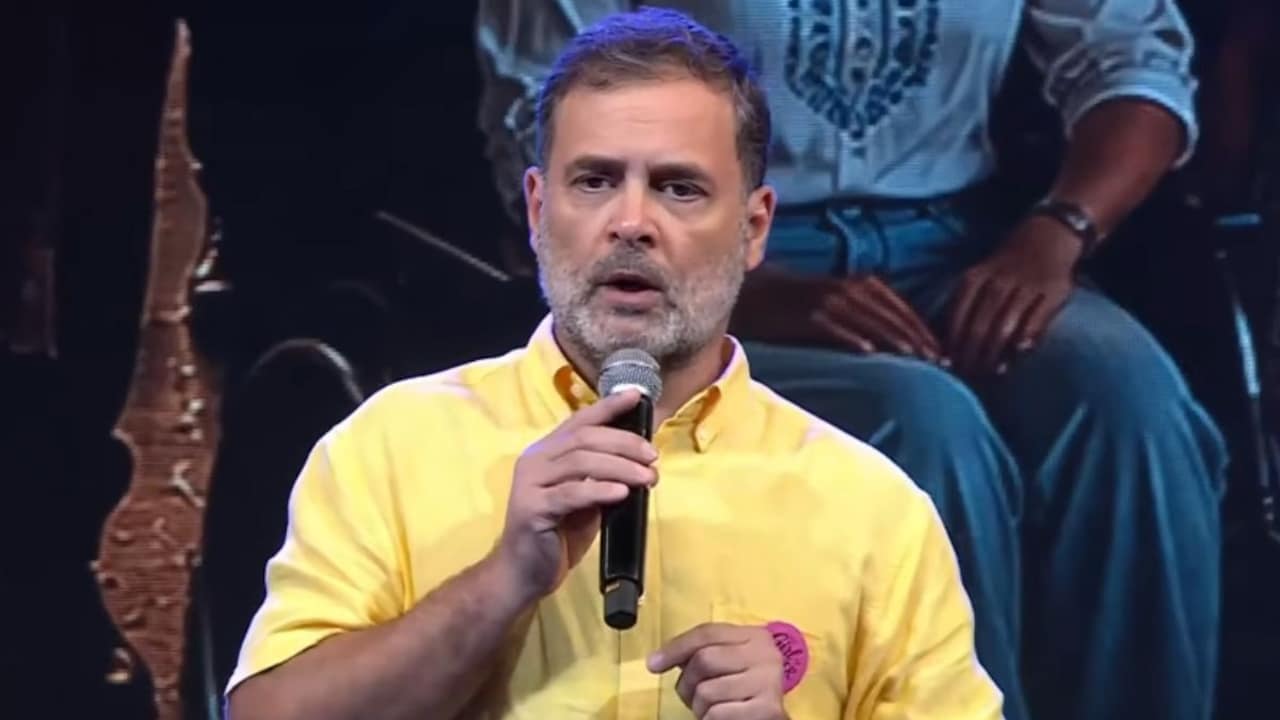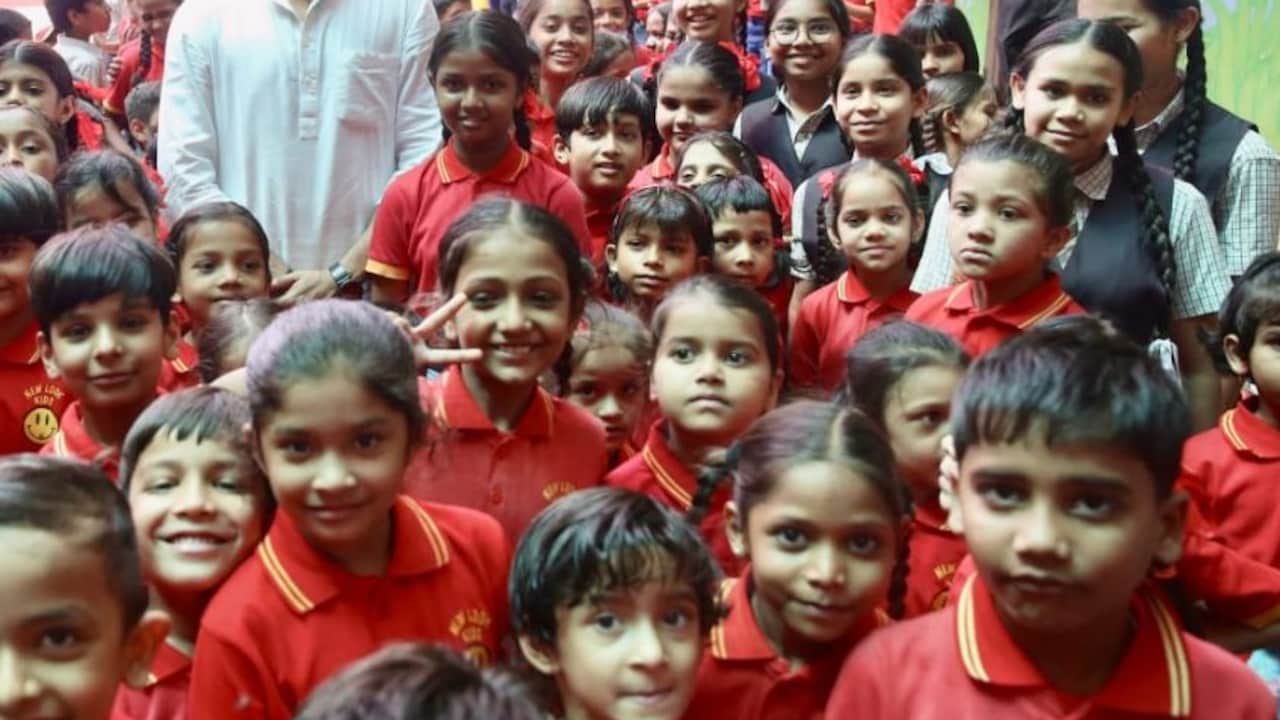
Congress leader Sachin Pilot toured the Mewar‑Vagad tribal belt, emphasizing cultural connection and development promises. Analysts view the trip as a cornerstone of Congress’s early strategy for the 2028 Rajasthan Assembly polls.
मुख्य बिंदु (Key Takeaways)
- Sachin Pilot engages directly with tribal communities in Mewar‑Vagad.
- The tour reflects Congress’s pre‑emptive strategy for the 2028 Rajasthan Assembly elections.
- Tribal votes could become a decisive factor in reshaping the state’s political balance.
Political observers argue that Sachin Pilot’s recent tribal outreach in the Mewar‑Vagad region marks a deliberate early move by the Indian National Congress to cement its foothold before the 2028 Rajasthan Assembly elections. The multi‑day tour saw Pilot visit tribal councils, local schools, and health centers across districts such as Udaipur, Bhilwara and Banswara, underscoring a message of cultural respect and development commitment.
Background and Political Significance
Pilot, known for his youthful energy and national‑level profile, rose to prominence after the 2019 general elections, where he championed grassroots development and youth empowerment within the party. The Mewar‑Vagad belt, home to roughly 12% of Rajasthan’s population, is dominated by tribal groups that have historically faced infrastructure deficits and social marginalisation. Consequently, this region has become a critical vote bank for any party seeking statewide victory.
Strategic Dimensions of Tribal Engagement
During his speeches, Pilot highlighted local customs, language, and traditions, while reiterating Congress’s pledge to improve education, healthcare, and basic amenities. Experts suggest that a sustained, culturally‑sensitive engagement could translate into tangible electoral gains, especially if the party aligns its policy agenda with the specific needs of tribal constituencies.
Future Outlook
As the 2028 polls draw nearer, other senior leaders are also making in‑roads into the tribal heartland, turning the region into a battleground of competing narratives. Pilot’s initiative is being framed within Congress as a “catalyst” move—one that not only mobilises tribal voters but also showcases a new generation of leadership ready to challenge the incumbent BJP administration.
If executed effectively, this strategy could rewrite Rajasthan’s political calculus, shifting the traditional power dynamics that have long favoured the ruling party. The outreach underscores a broader lesson: successful politics now demands deep, sustained connections with rural and tribal communities, not just urban electorates.