After being arrested by Thane police, Ramesh Mhatre was released on a ₹50,000 bail bond. The assault on medical staff at Dombivli's Shastri Nagar Hospital sparked fierce criticism of Shiv Sena and prompted a statewide black‑ribbon protest by doctors.
Key Takeaways
- Ramesh Mhatre released on a ₹50,000 bail bond
- Assault on doctors occurred on July 6 at Shastri Nagar Hospital, Dombivli
- Shiv Sena faces opposition criticism; doctors staged a black‑ribbon protest
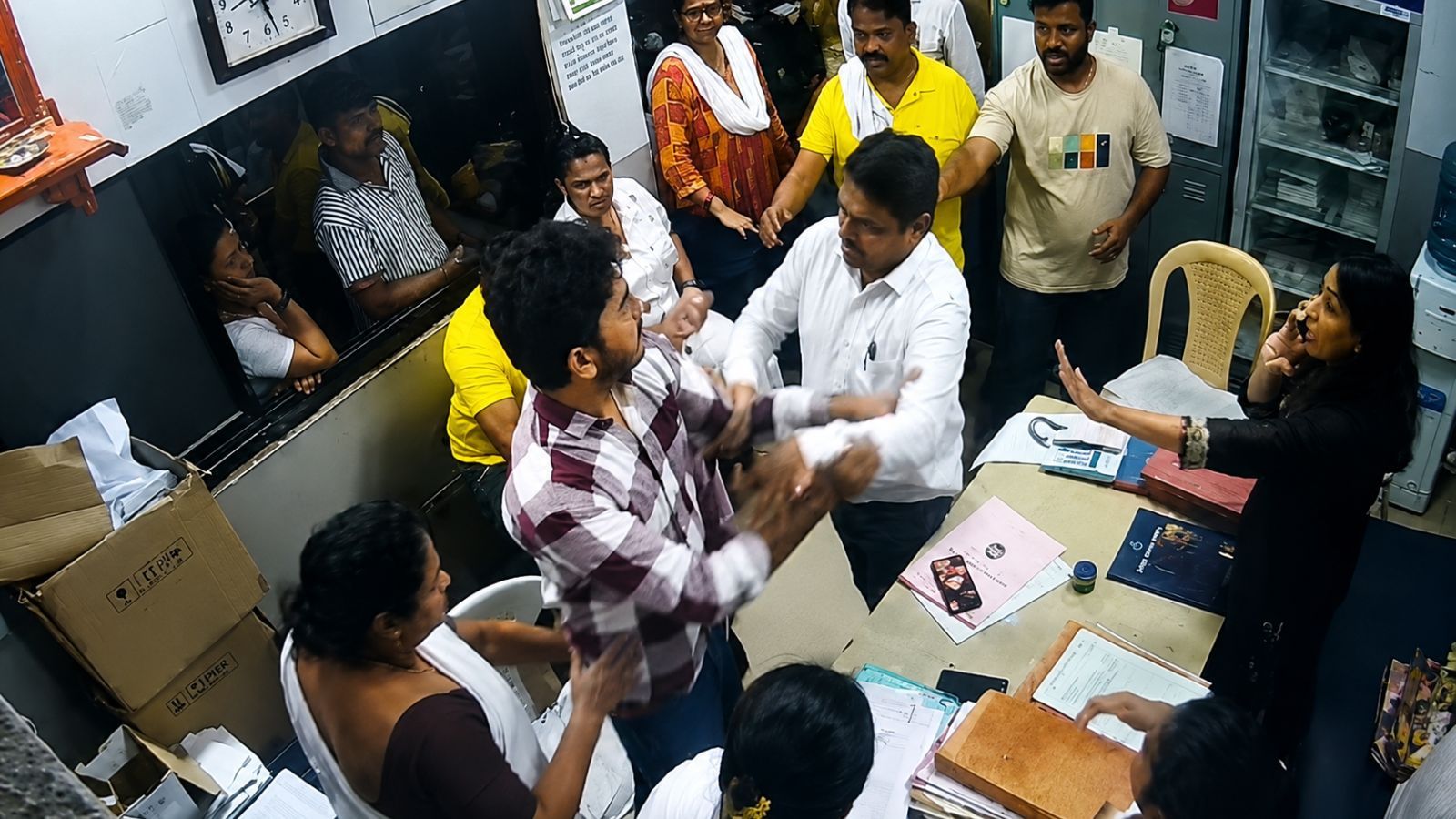
Thane City Police arrested Shiv Sena corporator Ramesh Mhatre after he allegedly assaulted doctors and nurses at Shastri Nagar Hospital in Dombivli. Three of his associates were also taken into custody, and the case was sent to judicial custody on Monday.
Bail Hearing and Court Decision
A Kalyan court on Tuesday granted Mhatre bail after the prosecution argued that releasing him could endanger the medical staff involved. The court, however, imposed a ₹50,000 bail bond and conditions restricting any further contact with the victims, balancing the accused's health concerns against public safety.
Incident Background
The clash erupted on July 6 when a pregnant woman’s family was advised by doctors to shift her to another facility because the Neonatal Intensive Care Unit (NICU) beds at Shastri Nagar Hospital were fully occupied. Frustrated, the family approached Mhatre, who allegedly led an assault on the treating physicians, resulting in a violent confrontation inside the hospital premises.
Political and Social Fallout
The episode ignited sharp criticism of Shiv Sena from opposition leaders, who accused the party of fostering a climate of intimidation against healthcare professionals. In response, the Central Maharashtra Association of Resident Doctors organized a statewide black‑ribbon protest across government and semi‑government medical institutions, highlighting the urgent need for better protection of doctors.
Implications and Next Steps
While Mhatre secured bail, his three co‑accused remain in judicial custody pending further hearings. The court will examine whether his medical condition—having a single kidney and other ailments—justifies leniency. Moreover, the incident underscores the broader challenge of safeguarding medical staff from political interference, prompting calls for stricter security protocols in hospitals nationwide.