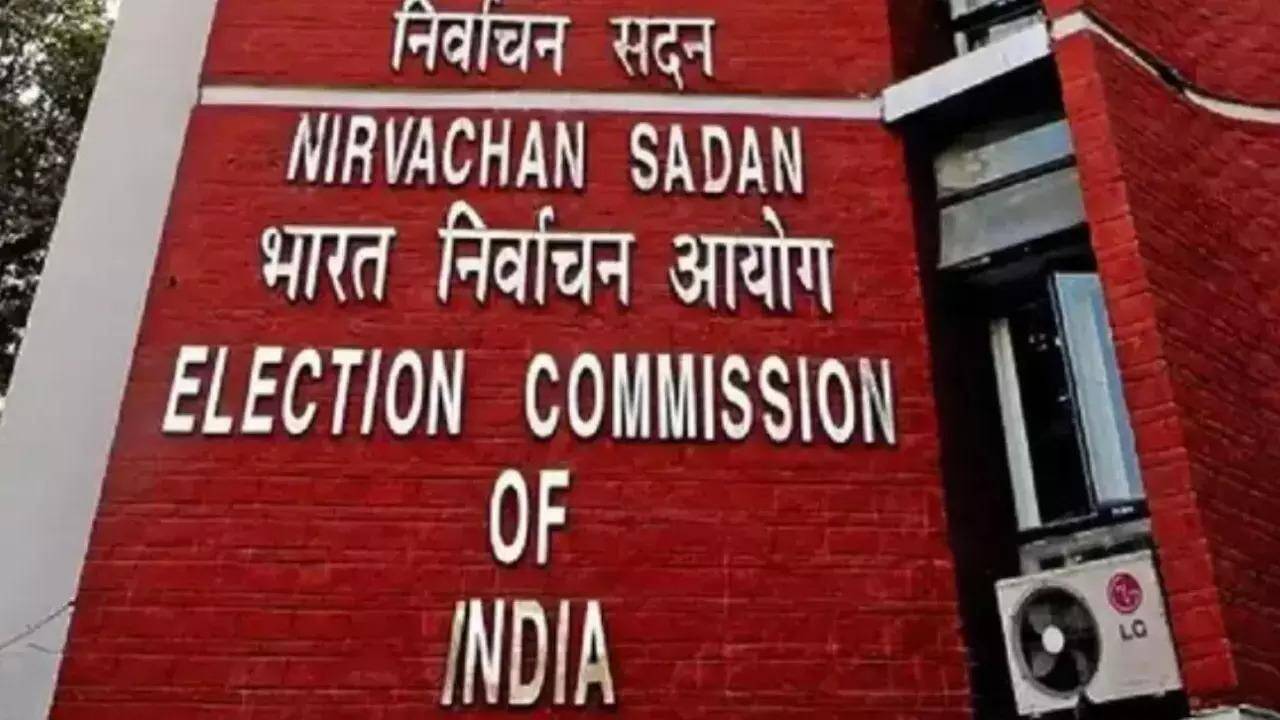
The Election Commission of India has announced a revised schedule for the Special Summary Revision of electoral rolls across six states. Key updates include new deadlines for Telangana, Haryana, and Andhra Pradesh.
Key Takeaways
- The Election Commission has released a revised schedule for electoral roll revision in six states.
- In Telangana, the draft publication is set for August 10, with finalization on October 12.
- Haryana and Andhra Pradesh will publish their draft rolls on July 31.
- The primary goal is to include new voters and remove ineligible or deceased electors.
In a decisive move to streamline the electoral process, the Election Commission of India (ECI) has released the updated schedule for the Special Summary Revision (SSR) of electoral rolls in six key states. This administrative overhaul is a critical component of ensuring that the democratic exercise remains inclusive, accurate, and transparent.
State-Wise Timeline and Deadlines
The revised schedule highlights varying timelines tailored to the specific administrative requirements of each state. For Telangana, the revision process is slated to see the draft publication of electoral rolls on August 10, with the final, verified rolls expected to be released by October 12.
In a simultaneous rollout, the states of Haryana and Andhra Pradesh are scheduled to publish their draft electoral rolls on July 31. This window provides a crucial period for citizens to scrutinize the lists, raise objections, and ensure that their names are correctly recorded under the appropriate polling stations.
The Significance of Electoral Roll Integrity
The revision of electoral rolls is far more than a routine bureaucratic task; it is the bedrock of a healthy democracy. By meticulously updating the lists, the ECI aims to facilitate the entry of first-time voters—a demographic that is increasingly vital to the political landscape—while purging the rolls of ineligible entries, such as deceased individuals or those who have permanently relocated.
As India moves toward increasingly complex electoral cycles, the accuracy of these databases prevents discrepancies that could lead to legal challenges or electoral disputes. This proactive approach by the Commission ensures that the principle of 'one person, one vote' is upheld with maximum precision and minimal error.