Congress leader Swejal Vyas highlighted a dietary breach after receiving a non‑vegetarian dish instead of the vegetable biryani he ordered online. The restaurant admitted the mistake, sparking a debate on religious food rights and delivery accountability.
Key Takeaways
- Swejal Vyas received a non‑vegetarian dish instead of his ordered vegetable biryani.
- The restaurant acknowledged that his original parcel was left behind and another customer's order was sent to him.
- The incident raises questions about religious dietary rights and the accountability of online food delivery services.
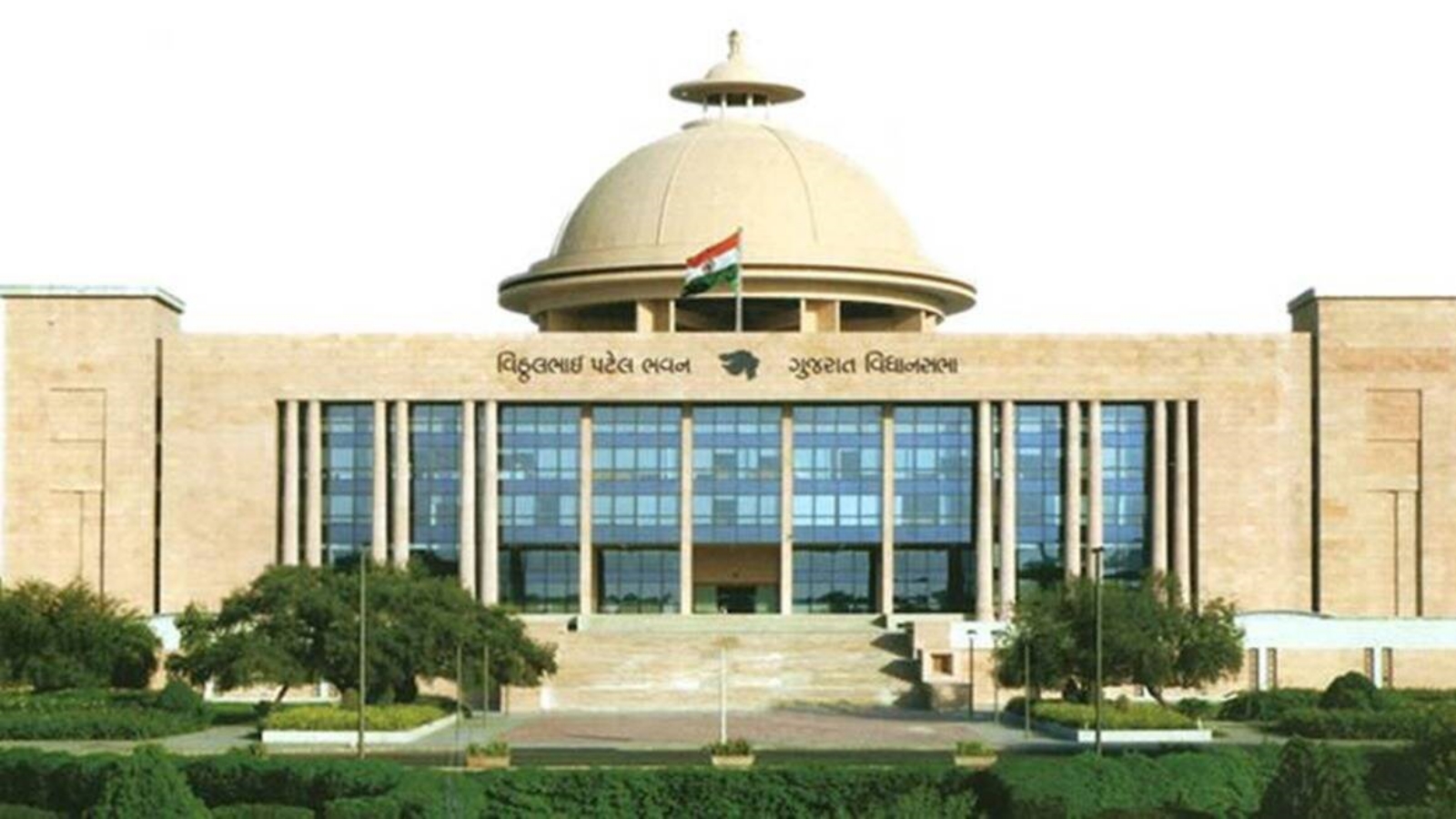
In Ahmedabad, Gujarat, Congress leader Swejal Vyas confronted a food outlet after an online delivery platform mistakenly sent him a non‑vegetarian meal, contrary to his request for vegetable biryani. The episode, which surfaced on social media on July 15, 2026, saw Vyas emphasize that his dietary choices are rooted in religious and personal beliefs.
Background of the Incident
After the delivery executive redirected him to the restaurant, Vyas reported that repeated phone calls went unanswered, prompting him to visit the outlet personally. A video of the exchange shows Vyas expressing frustration over receiving a dish that conflicted with his dietary convictions.
Restaurant’s Admission
The outlet’s management conceded that the original parcel intended for Vyas was inadvertently left behind, and another customer’s order was dispatched to him by mistake. Such mix‑ups, while not uncommon in the fast‑growing food‑delivery sector, acquire heightened sensitivity when religious dietary preferences are involved.
Political and Social Ramifications
The episode revives the discourse on food rights and religious sensitivities within Indian politics. While the Congress party may leverage the incident for political messaging, consumer‑rights bodies are also urging stricter oversight of digital delivery platforms to ensure accurate order fulfillment.
Future Outlook
Repeated errors could erode consumer trust and compel food‑delivery firms to reinforce logistics, quality control, and staff training. Moreover, clear labeling and heightened awareness of religious dietary requirements may become mandatory to prevent similar controversies.
Editor’s Note: This incident transcends a simple delivery error; it underscores how personal dietary preferences of political figures can become a flashpoint for broader debates on consumer protection and religious tolerance in the digital age.