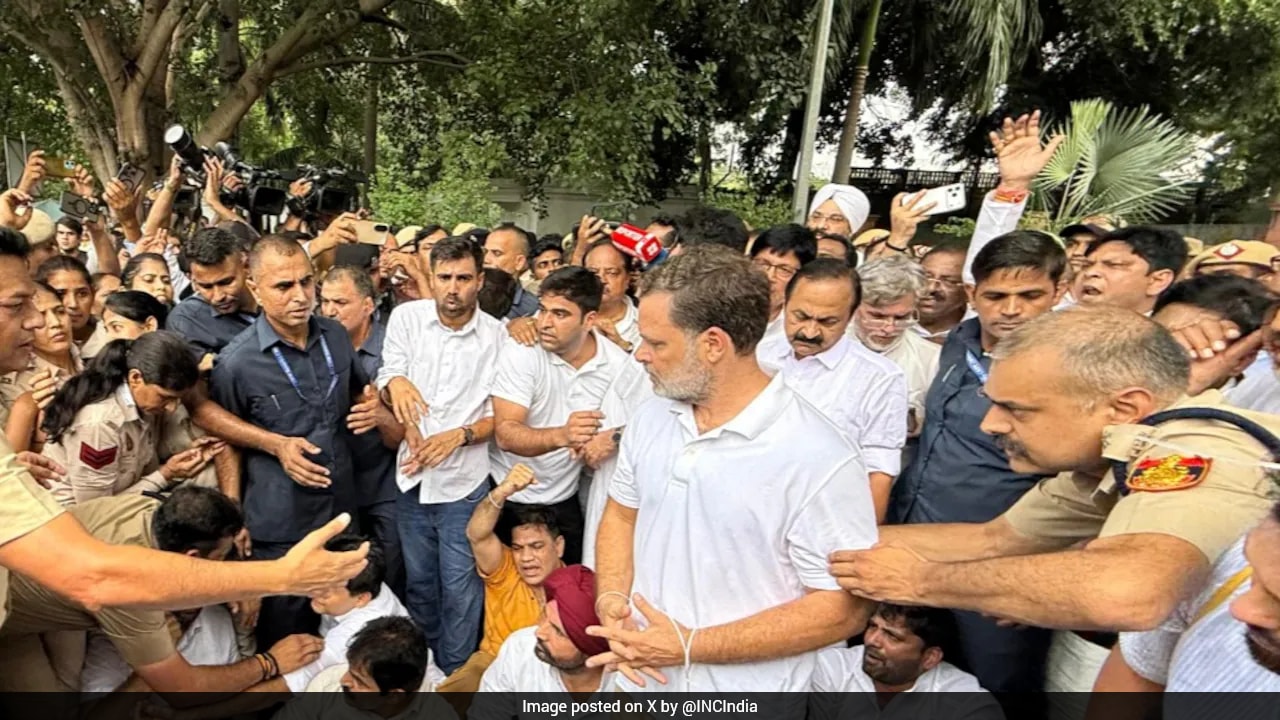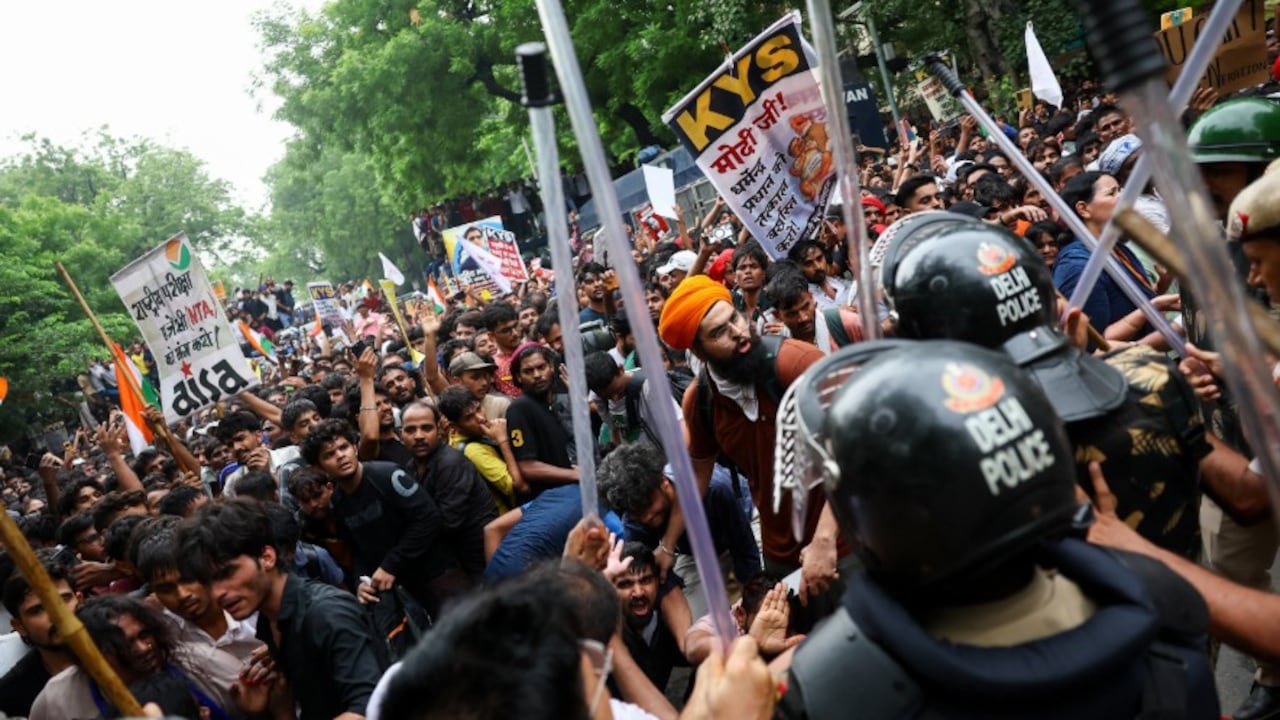
The Delhi High Court refused to fast‑track a petition alleging excessive police force against students of the Cockroach Janta Party's march to Parliament, highlighting tensions between judicial oversight and police accountability.
Key Takeaways
- Delhi High Court denied urgent listing of a petition on alleged police excesses.
- Cockroach Janta Party students marched to Parliament, facing police crowd‑control tactics.
- Delay in judicial review raises concerns over police accountability and student rights.
The Delhi High Court on Monday rejected a request to urgently list a petition that accuses the Delhi Police of using "excessive force" against students participating in the Cockroach Janta Party's protest march to Parliament. The petition, filed by the student activists, argued that the police response violated constitutional rights and demanded immediate judicial intervention.
While the petitioners urged the court to fast‑track the matter, the bench held that the case does not merit immediate listing and will be examined through the regular docket. This decision underscores the court's balancing act between managing its docket and addressing urgent civil‑rights concerns.
Historical Background
Student protests have long shaped Delhi's socio‑political landscape. Notable instances include the 2019 Delhi University fee hike protests and the 2020 anti‑CAA demonstrations, both of which saw varying degrees of police involvement. In 2022, a climate‑action march by university students was met with comparatively restrained police tactics, setting a precedent that the current case now references.
Why This Matters (इसके मायने क्या हैं)
BozokMedia analysis shows that the ruling carries dual implications: it may erode confidence among student activists who feel the judicial system is sluggish in safeguarding civil liberties, while also signaling to law‑enforcement agencies that existing oversight mechanisms might be insufficiently robust.
From an economic perspective, repeated large‑scale demonstrations and the accompanying police response can strain public resources and affect investor sentiment. Transparent and timely judicial scrutiny is therefore essential not only for democratic health but also for maintaining economic stability.
“Effective judicial review of police conduct is vital; without swift court action, the promise of democratic safeguards loses its potency,” says human‑rights attorney Aruna Sharma.
Frequently Asked Questions (अक्सर पूछे जाने वाले प्रश्न)
Q1: Does the court’s refusal mean students will face harsher police measures in future protests?
A: Not necessarily, but it highlights a procedural lag that may compel activists to pursue additional legal avenues to protect their rights.
Q2: Will this decision trigger any policy overhaul regarding police crowd‑control tactics?
A: No immediate policy change has been announced; however, sustained public and international pressure could prompt reforms down the line.