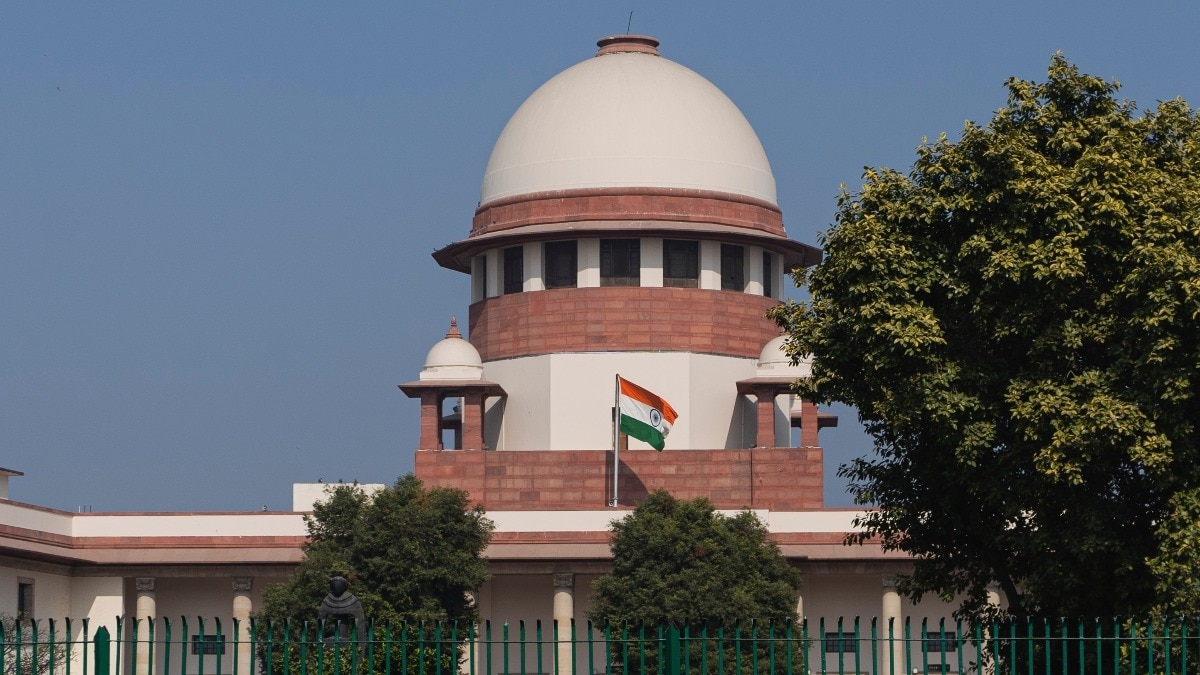
An Allahabad High Court judge denounced corruption and suggested imposing the death penalty under the Prevention of Corruption Act, urging a legislative amendment.
Key Takeaways
- An Allahabad High Court judge condemned corruption outright.
- Suggested the death penalty under the Prevention of Corruption Act.
- Calls for legislative amendment to incorporate capital punishment.
In a recent hearing, a judge of the Allahabad High Court adopted a hard‑line stance on corruption, recommending that the Prevention of Corruption Act (PCA) be amended to include the death penalty for the gravest offences. The remark came after probing high‑profile graft cases where accused officials had previously faced only fines and imprisonment.
Historical Background
The Prevention of Corruption Act, enacted in 1988, serves as India’s primary anti‑corruption legislation. Under the current provisions, the most serious offences attract a maximum of seven years’ imprisonment and hefty fines. Amendments in 2013 increased penalties for certain violations but stopped short of introducing capital punishment.
Why This Matters (इसके मायने क्या हैं)
According to BozokMedia analysis, introducing the death penalty could act as a strong deterrent, potentially restoring public confidence in institutions plagued by corruption. However, it also raises constitutional challenges, as the Indian Constitution guarantees the right to life, making any move towards capital punishment subject to rigorous judicial scrutiny.
For ordinary citizens, the proposal is a double‑edged sword: while harsher punishments might curb corrupt practices and improve service delivery, it could also lead to prolonged trials and misuse of power within the legal system.
"Imposing capital punishment for corruption may clash with the fundamental principles of India’s justice system," notes legal scholar Prof. Ajay Singh.
| Current Law | Proposed Amendment |
|---|---|
| Up to 7 years imprisonment, fines | Death penalty, plus imprisonment |
| Flexible sentencing | Mandatory minimum punishment |
Frequently Asked Questions (अक्सर पूछे जाने वाले प्रश्न)
Q1: Would adding the death penalty to the PCA align with the Indian Constitution?
A: The constitutionality of such a change would be contested in the Supreme Court, where the right to life is a protected fundamental right.
Q2: How might this amendment affect corruption cases?
A: If enacted, it could serve as a powerful deterrent, but it also risks increasing judicial backlog and potential abuse of authority.