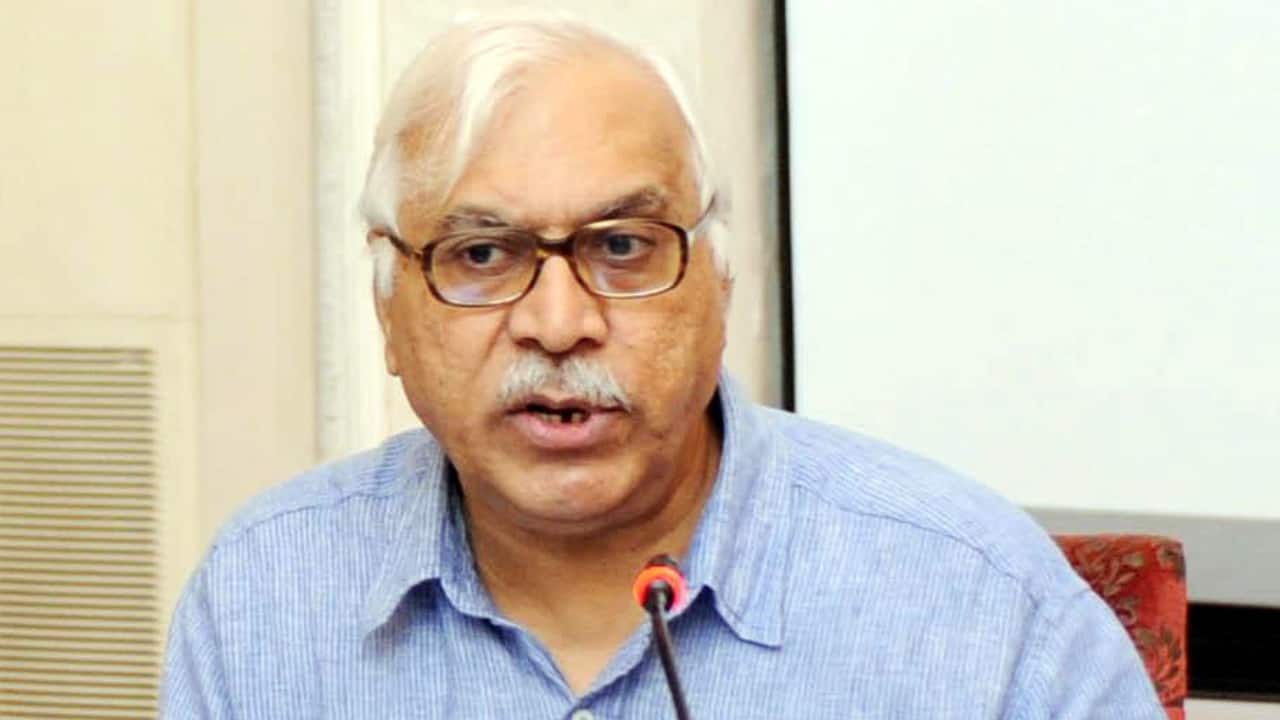
Former Chief Election Commissioner SY Quraishi condemned the Election Commission's Special Intensive Revision, calling it a dangerous tampering with democracy. He warned that deleting millions of voters is not a charitable act but a violation of constitutional rights.
Key Takeaways
- SY Quraishi labels SIR as a tampering with democracy, not a population update.
- 27 lakh voters in West Bengal were denied voting, potentially affecting election outcomes.
- Both the Supreme Court and Election Commission face criticism for perceived inaction.
Former Chief Election Commissioner SY Quraishi delivered a scathing critique of the Election Commission’s Special Intensive Revision (SIR) on July 13, describing it as “not well‑intended” and a direct interference with democratic principles. In an interview with ANI, he emphasized that voting is a constitutional right, not a charity bestowed by the commission.
What Is Special Intensive Revision (SIR)?
SIR is intended to cleanse electoral rolls by removing duplicate entries, deceased persons, or migrants who no longer reside at a given address. Critics argue that the rollout in several states has been rushed, lacking transparency, and has resulted in the deletion of millions of legitimate voters.
Quraishi’s Core Allegations
“The entire SIR exercise is not well‑intentioned. Deleting crores of voters is tinkering with democracy,” Quraishi asserted. He highlighted West Bengal, where 27 lakh voters were unable to cast their ballots, a figure he believes may have altered the final result.
Judicial and Political Backlash
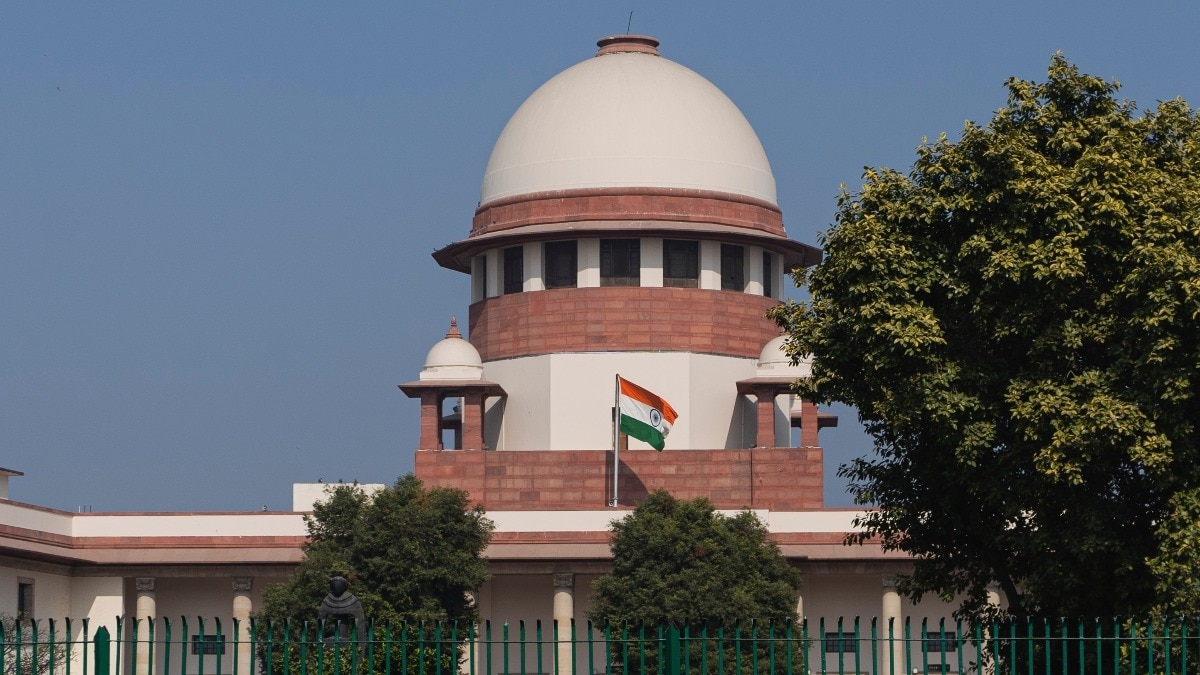
Quraishi also accused the Supreme Court of failing to defend citizens’ rights. Opposition parties across states such as Bihar and West Bengal have echoed his concerns, labeling the exercise as voter disenfranchisement. The Election Commission, meanwhile, maintains that the revision aims to ensure “accurate and up‑to‑date electoral rolls.”
Implications for Future Elections
If SIR is not refined, voter participation could decline in upcoming polls, raising serious questions about the legitimacy of democratic outcomes. Experts suggest that independent oversight, transparent data management, and possible judicial intervention are essential to safeguard voter rights.
The controversy underscores a pivotal moment for India’s democracy, where the balance between administrative efficiency and constitutional protection must be carefully negotiated.