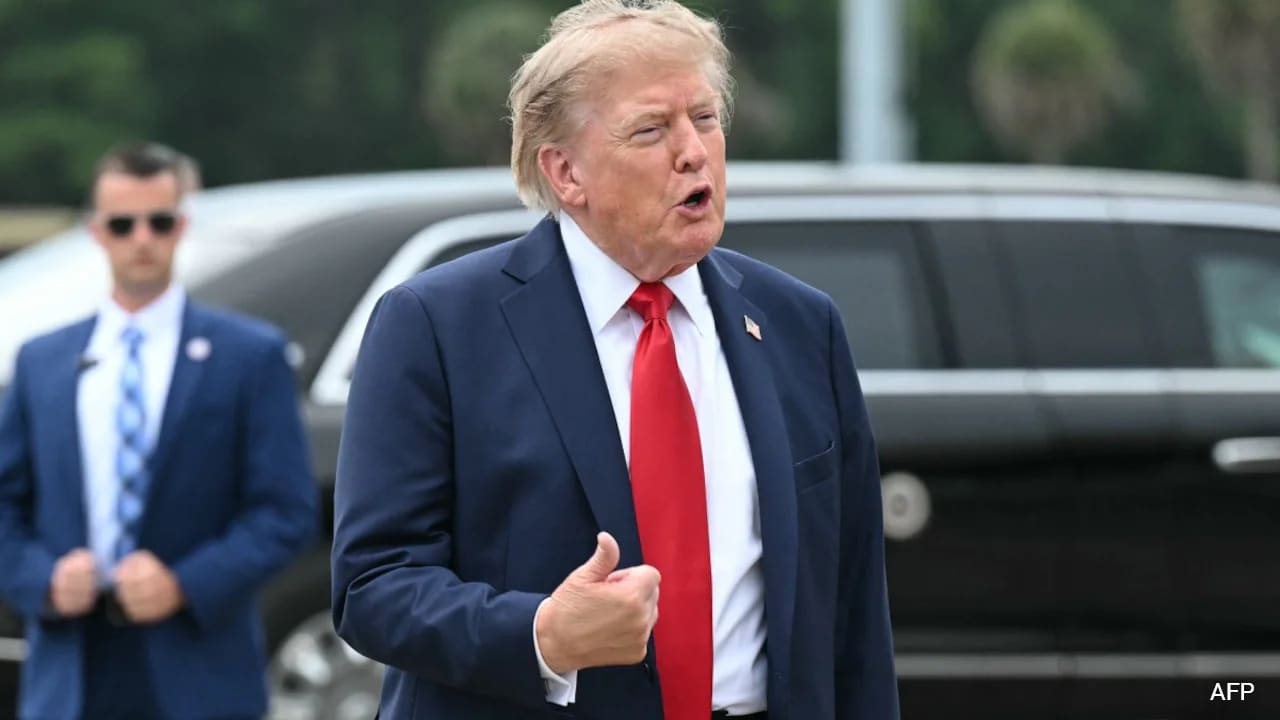
Donald Trump calls the law barring a third term "very strong," yet he keeps hinting at a possible loophole. Is there a constitutional path for him to seek the presidency again?
Key Takeaways
- The 22nd Amendment limits U.S. presidents to two elected terms.
- Trump labels the restriction "very strong" but continues to explore work‑arounds.
- A viable loophole could reshape American political norms.
Constitutional Limits and the 22nd Amendment
Adopted in 1951, the 22nd Amendment caps the presidency at two four‑year terms to prevent any single individual from monopolizing executive power. The amendment was a response to Franklin D. Roosevelt’s four‑term tenure and has since been a cornerstone of U.S. democratic stability.
Trump’s Opposition and Potential Loopholes
Donald Trump recently described the two‑term restriction as "very strong," yet he repeatedly asks whether a legal loophole might exist. Some scholars suggest that a shift to a different elected office—such as vice‑president—followed by a succession could test the amendment’s boundaries, but prevailing judicial interpretations deem this scenario unlikely.
Historical Background
George Washington set the two‑term precedent by voluntarily stepping down after eight years. The 22nd Amendment cemented that tradition, allowing only rare exceptions for wartime or national emergencies.
Why This Matters
BozokMedia analysis shows that if Trump finds a constitutional route to a third term, it would challenge the very fabric of American democracy and set a new precedent for future candidates.
"Attempting to sidestep constitutional limits risks eroding public trust in the judicial system," warns political science professor Dr. Emily Carter.
Frequently Asked Questions
Question 1: Does Trump need to hold another elected office before running again?
Answer: No, the 22nd Amendment directly bars a third elected term regardless of any interim position.
Question 2: Can the 22nd Amendment be repealed?
Answer: Repealing it would require a two‑thirds majority in both houses of Congress and ratification by three‑quarters of the states, making it highly improbable.