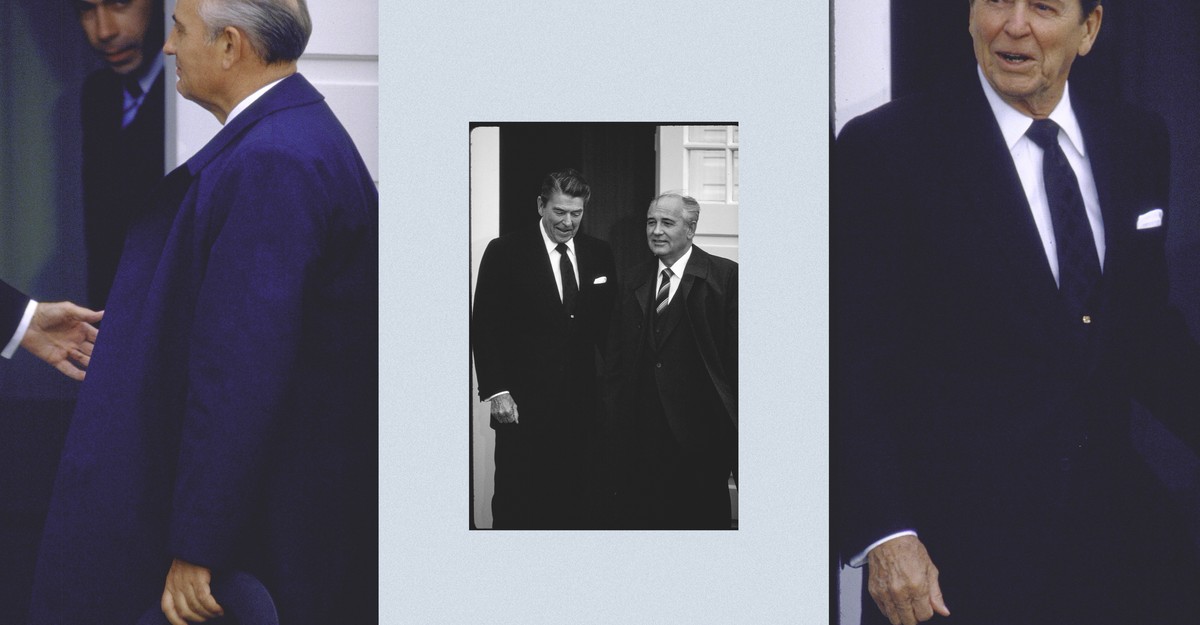
The new film 'The Brink of War' attempts to dramatize the 1986 Reykjavik Summit, but critics argue it leans too heavily toward Reagan-era nostalgia. This analysis explores the gap between cinematic portrayal and historical fact.
Key Takeaways
- 'The Brink of War' focuses on the 1986 Reykjavik Summit between Reagan and Gorbachev.
- The film is criticized for being overly sympathetic to Ronald Reagan.
- Historical tensions were actually higher during Reagan's first term than in 1986.
- The summit was a pivotal moment for nuclear disarmament discussions.
The newly released film 'The Brink of War' attempts to provide texture to the high-stakes diplomatic encounter between U.S. President Ronald Reagan and Soviet General Secretary Mikhail Gorbachev in Reykjavik, Iceland. While the film serves as a corrective to the view of Reagan as a simpleton, it faces criticism for tilting too far in the opposite direction by romanticizing the 'Gipper.'
Cinematic Drama vs. Historical Reality
A significant point of contention is the film's portrayal of the era's tension. The title suggests the world was on the edge of catastrophe in 1986, yet historical records indicate that the most dangerous years of the Cold War—post-Cuban Missile Crisis levels of tension—occurred during Reagan's first term in the early 1980s under Yuri Andropov.
Why This Matters: BozokMedia Analysis
BozokMedia analysis shows that the film prioritizes melodrama over the nuanced, often tedious, reality of diplomatic negotiations. By focusing on fewer personalities and heightened emotions, the film risks turning a complex geopolitical struggle into a simplified hero's journey for Reagan.
The film struggles to maintain the thin line between a historical biopic and political propaganda.
Furthermore, the film depicts Reagan as a highly prepared and confident negotiator. In reality, transcripts suggest a much more human Reagan—one who was anxious about the meeting and frequently relied on notes, even dropping them during intense discussions.
Historical Background
The transition from the hardline leadership of the early 80s to the reformist era of Mikhail Gorbachev was a turning point. While Reagan's 'Strategic Defense Initiative' (SDI) was a major sticking point, both leaders eventually found common ground in the belief that a nuclear war could not be won and must never be fought.
Frequently Asked Questions
1. What is the main critique of 'The Brink of War'?
Answer: Critics argue the film gives too much credit to Reagan and sacrifices historical accuracy for dramatic effect.
2. When did the actual peak of Cold War tension occur?
Answer: Tensions were significantly higher in the early 1980s during the transition between Soviet leaders and Reagan's first term.