In a strategic move to counter anti-incumbency, the BJP has assigned senior leaders to oversee 23 assembly constituencies lost in 2022. The goal is to strengthen grassroots connectivity and ensure a landslide victory in 2027.
- BJP implements a micro-management strategy for 23 seats lost in the 2022 elections.
- CM Pushkar Singh Dhami is tasked with overseeing his former seat, Khatima.
- High-profile leaders are assigned to traditionally difficult and Muslim-dominated seats.
- The focus is on neutralizing anti-incumbency among Gen Z voters and strengthening booth-level organization.
The ruling Bharatiya Janata Party (BJP) in Uttarakhand has initiated a high-stakes organizational overhaul, targeting the 23 Assembly constituencies it lost during the 2022 elections. This 'micro-management' strategy is designed to meticulously repair electoral damage and build a formidable foundation ahead of the 2027 Assembly polls.
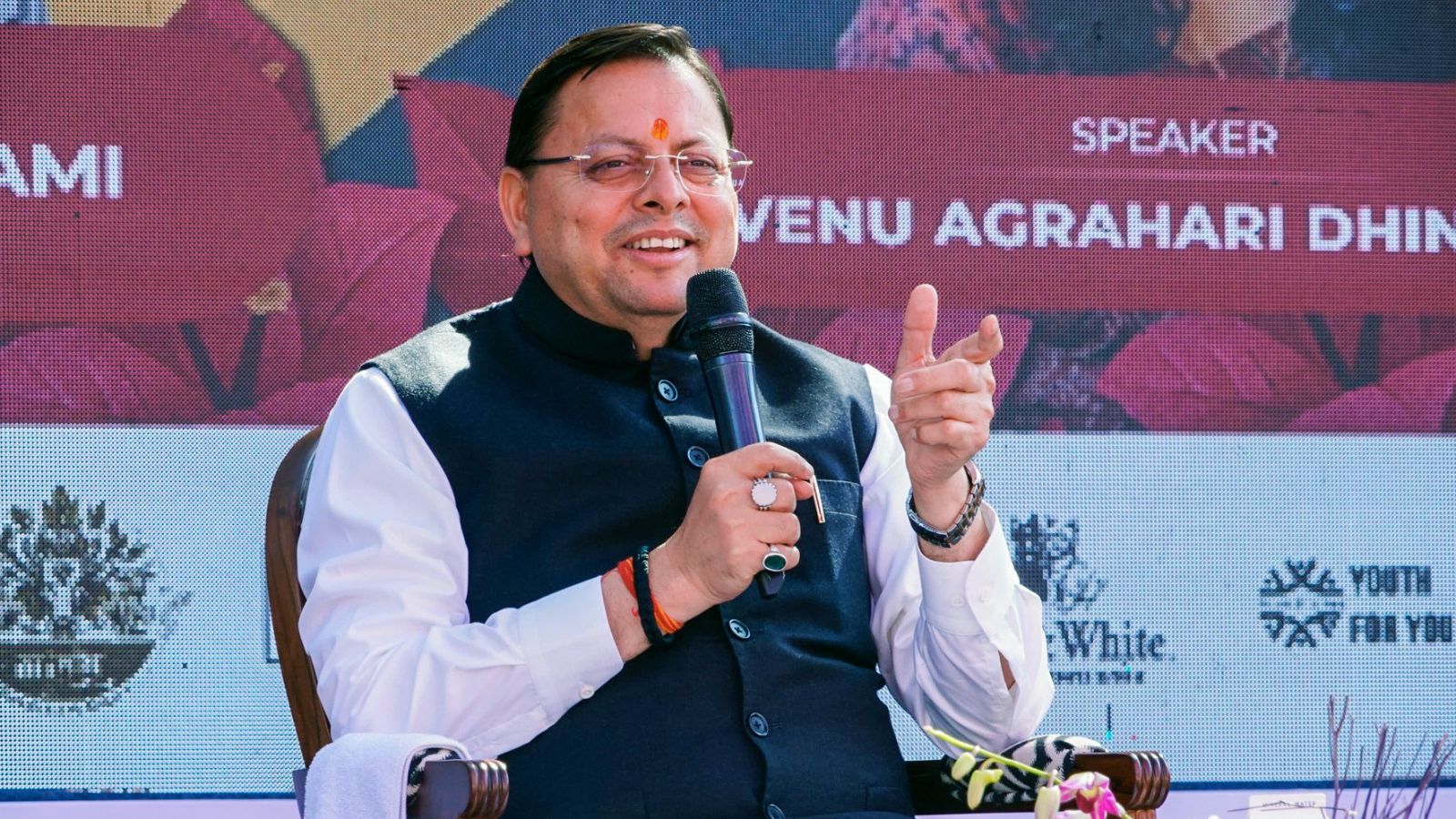
Chief Minister Pushkar Singh Dhami, who suffered a surprising defeat in his traditional stronghold of Khatima in 2022, has been personally assigned to the constituency. Dhami will now lead the party's local programs, evaluate the political climate, and engage directly with the electorate to shift the narrative in the BJP's favor.
Strategic Allocation of High-Profile Leaders
The party has not shied away from tackling its most challenging territories. State President and Rajya Sabha MP Mahendra Bhatt has been tasked with Piran Kaliyar, a Muslim-dominated seat in Haridwar that the BJP has failed to win since 2012. Similarly, Rajya Sabha MP Naresh Bansal is overseeing Manglaur, another difficult seat often won by the BSP or Congress.
The strategy also involves deploying heavyweights to seats where the party has historically struggled. General Secretary Deepti Rawat and senior leader Ganesh Bhandari have been assigned to Chakrata and Dharchula, respectively. The list of overseers further includes former Chief Ministers Trivendra Singh Rawat and Tirath Singh Rawat, as well as Union Minister of State Ajay Tamta.
Why This Matters
BozokMedia analysis shows that this move is a calculated response to the growing disconnect with Gen Z voters. By shifting from a generalized campaign to a seat-specific micro-management model, the BJP is attempting to address hyper-local grievances that often go unnoticed in larger narratives. This indicates a shift toward 'precision politics,' where top leadership is held accountable for the performance of specific, underperforming pockets.
"When a party assigns its Chief Minister and State President to specific lost seats, it signals a transition from relying on a 'wave' to relying on surgical electoral engineering."
Beyond political strategy, these leaders are mandated to ensure high public participation in central government initiatives and the monthly 'Mann Ki Baat' broadcasts, bridging the gap between the central leadership's vision and local execution.
| Leader Assigned | Constituency | Nature of Challenge |
|---|---|---|
| Pushkar Singh Dhami | Khatima | Personal defeat in 2022 |
| Mahendra Bhatt | Piran Kaliyar | Unwon since 2012 |
| Naresh Bansal | Manglaur | Muslim-dominated demographic |
| Deepti Rawat | Chakrata | Historically hostile territory |
Frequently Asked Questions
1. What is the primary goal of BJP's micro-management in Uttarakhand?
The goal is to identify specific reasons for losses in 23 seats, strengthen the party at the booth level, and neutralize anti-incumbency among young voters before 2027.
2. Will CM Dhami contest from Khatima in the next election?
While he is managing the seat now, the BJP central leadership will make the final call on whether he contests from Khatima or Champawat closer to the election date.