Former CM Mehbooba Mufti critiques the Indian government's narrative of 'normalcy' in Jammu & Kashmir, arguing that coerced patriotism and tourist crowds mask a deeper crisis of security and human rights.
- Criticism of administrative orders forcing government employees to participate in 'Tiranga Rallies'.
- Contrast between the 'tourist facade' and the reality of raids, detentions, and dismissals.
- Call for a safe environment for Kashmiri Pandits rather than symbolic official ceremonies.
- Warning about the psychological trauma inflicted on Gen Z and Gen Alpha in the Valley.
Former Chief Minister Mehbooba Mufti has raised serious concerns regarding the nature of governance in Jammu and Kashmir since the abrogation of Article 370 in 2019. Highlighting a recent administrative order in Anantnag that mandated government employees to join a 'Tiranga Rally,' Mufti argues that such coercive measures transform national symbols into tools of administrative obligation rather than expressions of genuine patriotism.
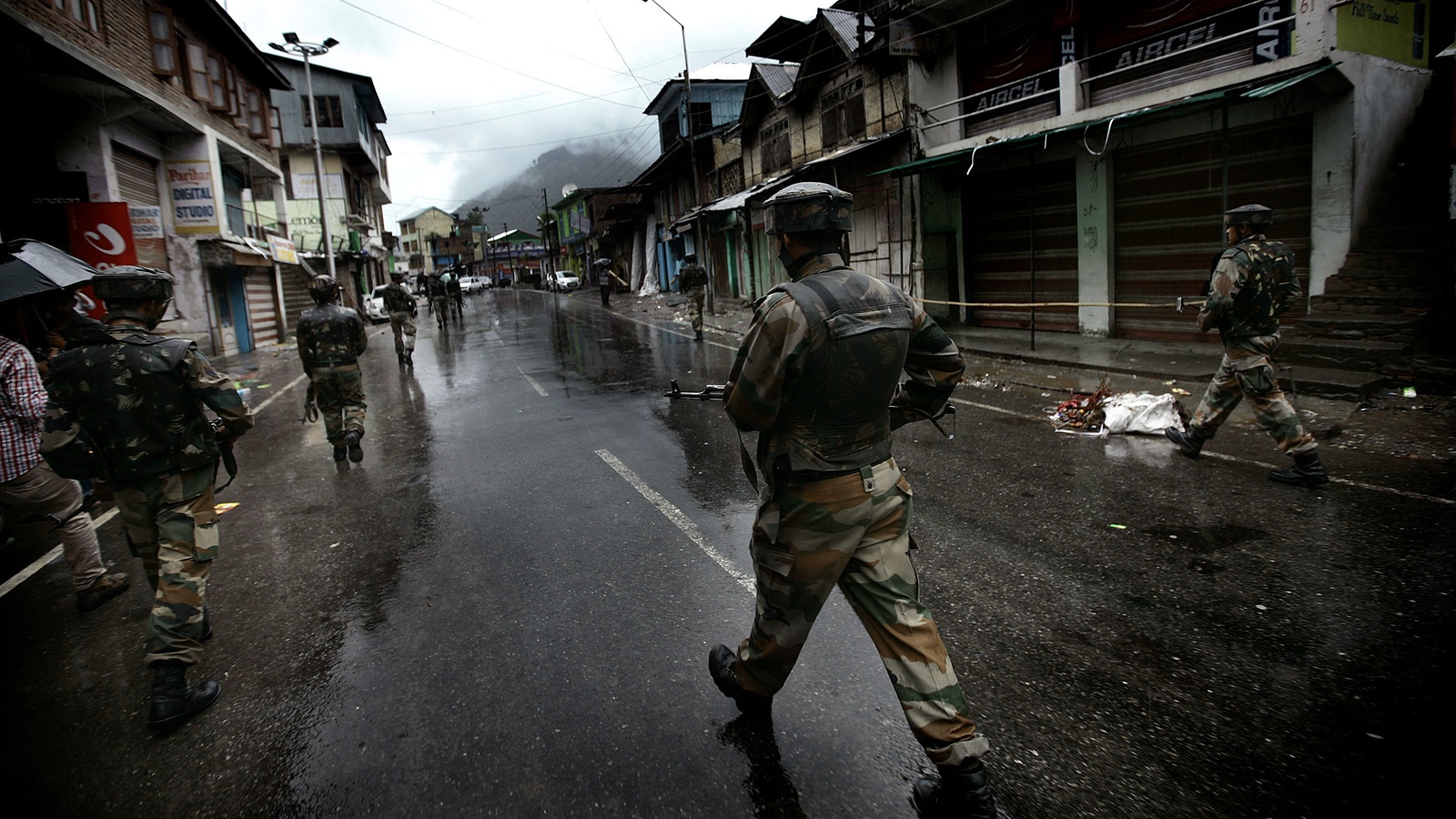
According to Mufti, the region has been subjected to an extraordinary level of security suppression. She points to the recurring raids by central agencies, the summary dismissal of government employees over alleged militant links, and the mass detention of citizens under the label of 'overground workers' as evidence that the state is far from normal.
Why This Matters
BozokMedia analysis shows that the government's reliance on 'performance-based normalcy'—measured by tourist footfall and choreographed events—ignores the structural grievances of the local population. This disconnect between the official narrative and the lived experience of the Kashmiri people could potentially fuel long-term alienation.
True stability is not the absence of noise on the streets, but the presence of justice and dignity in the hearts of the citizens.
The article also touches upon the precarious situation of Kashmiri Pandits. Mufti notes that since 2019, 25 members of the community have been killed, reminding the state that threat letters and targeted killings persist. She argues that for the community to return, the government must prioritize a tangible security environment over symbolic ceremonies.
A poignant section of her analysis focuses on the younger generations—Gen Z and Gen Alpha. Unlike their parents, these youths did not experience the violence of the 1990s, yet they are growing up in an era of house demolitions and family detentions. Mufti warns that these 'bruised memories' cannot be erased by the mandatory display of flags.
Mufti concludes by urging the state to distinguish between a militant and an ordinary citizen, and between an accused and a convicted person. She asserts that brute force may silence the streets, but it cannot silence the memory of a generation. The path to peace, she suggests, lies in dialogue, justice, and a human-centric approach.
Frequently Asked Questions
1. What is the 'facade of normalcy' mentioned by Mehbooba Mufti?
It refers to the use of tourist crowds and forced public events to project an image of peace while security crackdowns continue internally.
2. Why does the author mention Gen Z and Gen Alpha?
To highlight that the current security climate is traumatizing a generation that was not even born during the peak of the 1990s conflict.