Former Lt Governor Najeeb Jung examines the unprecedented shift in Indian mass movements, analyzing how the 'Cockroach movement' defies traditional leadership models and poses a new challenge to the state.
- The 'Cockroach movement' represents a decentralized, non-hierarchical model of mobilization.
- Unlike previous movements led by moral authorities, this movement relies on social media and campus networks.
- The state's coercive power failed to suppress the movement, leading to significant political concessions.
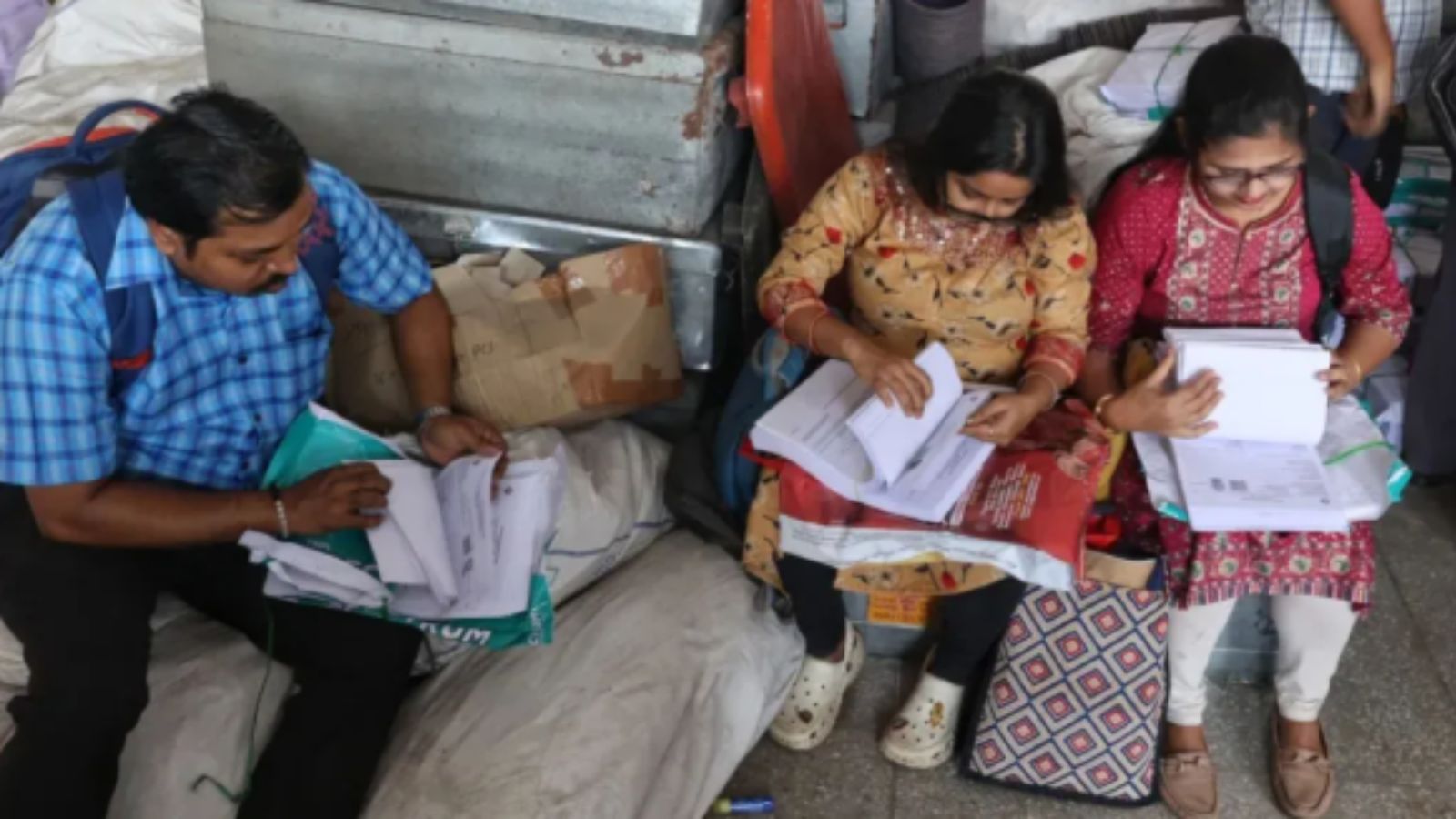
After 36 days of intense protest at Jantar Mantar, the visible departure of students does not signal the end of a movement, but rather a transition. As noted by Najeeb Jung, the resolve of the youth remains palpable, leaving the government in a state of confusion and the police machinery under intense scrutiny for its brutal response.
A New Template for Protest
Historically, Indian mass movements have been anchored by singular moral authorities such as Mahatma Gandhi, Jayaprakash Narayan, or Anna Hazare. The 'Cockroach movement' has inverted this entire template. It is a distributed structure—leveraging social media, campus unions, and student federations—that operates without a central figurehead. This makes the movement incredibly difficult for the state to 'decapitate' through traditional policing.
Why This Matters
BozokMedia analysis shows that while a leaderless structure provides resilience against state repression, it faces a significant hurdle in long-term institutionalization. Without a central negotiating body, converting spontaneous mobilization into a sustained political or social institution remains a critical challenge.
The movement is less a single episode than a recurring condition of a generation that feels the system discounts merit.
The government's recent concessions, such as resignations, are merely low-cost tactical moves. The deeper, structural issues—systemic exam reforms, large-scale job creation, and accountability in recruitment—remain unaddressed. The NEET leak was merely the trigger; the underlying cause is a labor market unable to absorb its graduates and a perceived culture of corruption.
Historical Background
The evolution of Indian dissent has moved from the highly organized, leader-centric movements of the mid-20th century to the digital-age, decentralized protests of today. While the 'India Against Corruption' movement eventually birthed a political party, the current generation's movement is testing whether a coalition can maintain pressure without a formal organizational hierarchy.
Frequently Asked Questions
1. How does the Cockroach movement differ from previous protests?
It lacks a central moral leader and instead operates through a decentralized network of social media and student unions.
2. What are the primary drivers of this movement?
The movement is driven by structural issues like unemployment, exam corruption, and a lack of meritocracy in the recruitment system.