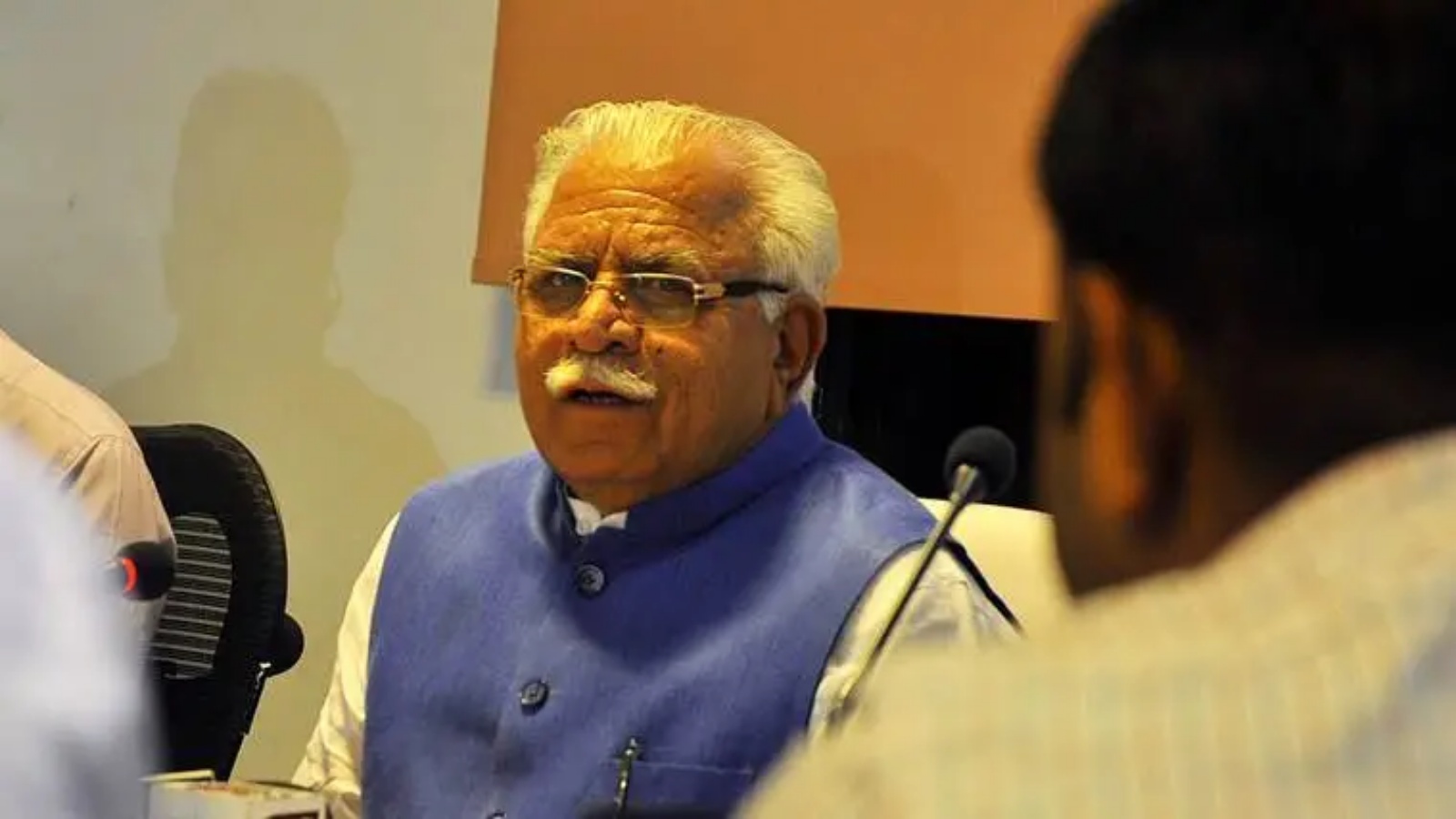
Union Minister Manohar Lal Khattar unveiled the Delhi Masterplan 2047, outlining the future development trajectory for the capital city. Despite a sore throat from Delhi's 'viral system,' he expressed happiness about the plan's launch. Concurrently, Amit Shah engaged southern leaders in discussions about the benefits of delimitation, a significant topic in national politics.
- Union Minister Manohar Lal Khattar unveiled the Delhi Masterplan 2047, a comprehensive blueprint for the city's future development.
- Khattar, despite ill health, expressed joy at the Masterplan's unveiling, humorously referencing Delhi's 'viral system'.
- Union Home Minister Amit Shah engaged Chief Ministers from southern states in discussions about the political and regional benefits of delimitation.
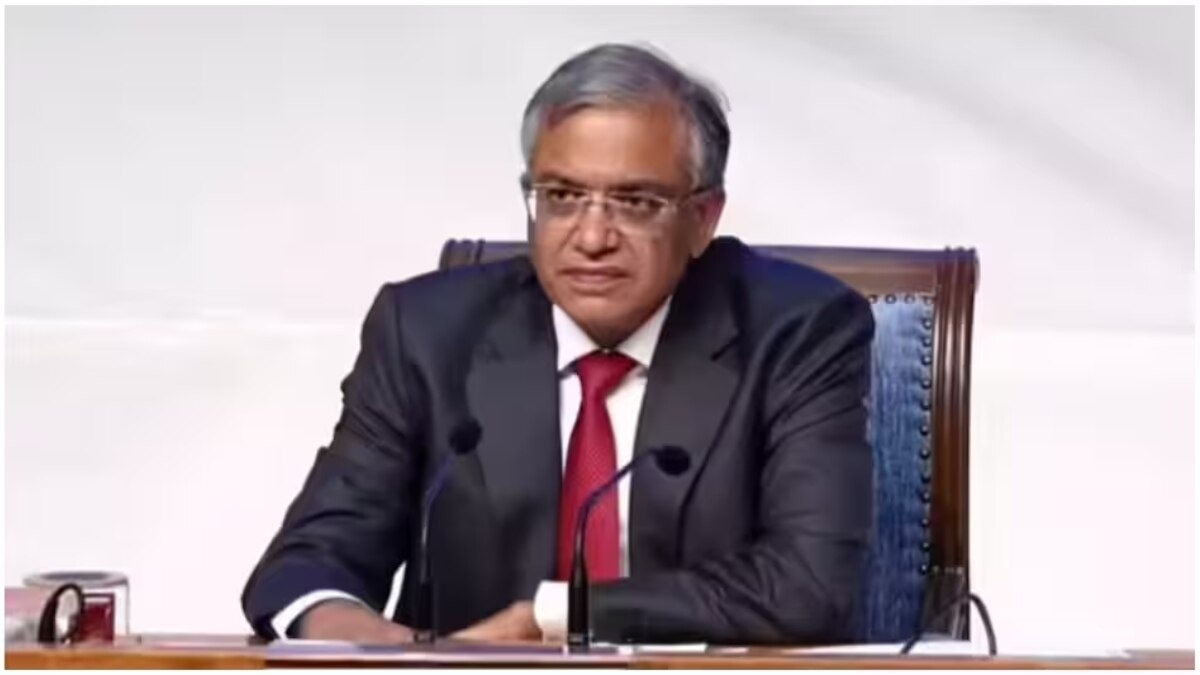
New Delhi: The much-anticipated Delhi Masterplan 2047 was unveiled on Thursday by Union Minister Manohar Lal Khattar, flanked by Lieutenant-Governor Taranjit Singh Sandhu and Chief Minister Rekha Gupta. This crucial plan promises to shape Delhi's urban landscape for the next two and a half decades, aiming to transform it into a modern, sustainable, and livable metropolis, especially as India approaches its centenary of independence.
Kicking off the press conference, Minister Khattar, who was suffering from a sore throat due to the flu, light-heartedly remarked that he too had been hit by the ongoing “viral system of Delhi.” He emphasized, however, that the happiness he derived from revealing the masterplan would compensate for his heavy voice. This anecdote highlighted the personal touch he brought to the significant work undertaken by the Urban Development Ministry under his leadership.
The Masterplan 2047 is an ambitious blueprint designed to future-proof Delhi, focusing on infrastructure development, preservation of green spaces, affordable housing, smart mobility solutions, and sustainable urbanization. It aims to address the needs of a growing population and tackle critical environmental challenges facing the city, including air pollution and water management.
Why This Matters
BozokMedia analysis shows that a visionary masterplan is crucial for a rapidly expanding megacity like Delhi. It not only helps in controlling unplanned growth but also provides a roadmap for ensuring the quality of life for its residents. The successful implementation of Masterplan 2047 could position Delhi as a leading global city. However, it will require robust coordination and political will across central, state, and local bodies.
"The Masterplan 2047 represents a transformative moment for Delhi, but its success will hinge on the rigor of its implementation and the collaboration among various stakeholders," stated a leading urban planning expert.
Meanwhile, in a separate political development, the issue of delimitation, which was at the core of the then DA government’s unsuccessful legislative push for women’s reservation in April this year, resurfaced. Union Home Minister Amit Shah broached the topic again while lunching with chief ministers and representatives of South Indian states during the 31st Southern Zonal Council meeting in Tamil Nadu. According to party sources, Shah took the opportunity to underline the key benefits that the delimitation exercise would bring to the region, as his audience engaged in informal discussions.
Delimitation is the process of redrawing electoral constituency boundaries based on population. Southern states have historically voiced concerns that successful population control measures might lead to a reduction in their parliamentary seats, thereby diminishing their voice in national politics. Shah's comments highlight the Centre's perspective on this sensitive issue and an attempt to foster dialogue to address the concerns of the southern states.
Frequently Asked Questions
- What are the primary objectives of the Delhi Masterplan 2047?
- Why is delimitation a sensitive issue for the Southern states?