Tensions flared in Delhi's Connaught Place as hundreds gathered to demand reservation reforms, leading to several detentions by the Delhi Police.
- Over 300 protesters gathered at Connaught Place demanding reservation reforms.
- Delhi Police denied permission for protests at Jantar Mantar.
- Political leaders remain divided on economic-based reservation demands.
The heart of India's capital, Connaught Place, witnessed significant unrest today as approximately 300 protesters gathered to demand reforms in the existing reservation system. In a swift response to maintain public order, Delhi Police intervened and detained several individuals involved in the demonstration.
The situation escalated following reports that the protesters intended to hold a major rally at Jantar Mantar. However, the Delhi Police officially stated that no permission had been granted for any anti-reservation or reservation-reform protest at the venue, citing security and law-and-order concerns.
Why This Matters
BozokMedia analysis shows that reservation remains one of the most polarizing issues in Indian socio-politics. The tension between expanding reservation to include economic criteria and protecting existing constitutional safeguards creates a complex legislative and social challenge for the central government.
The debate over reservation is shifting from purely social identity to economic status, creating new friction points in Indian democracy.
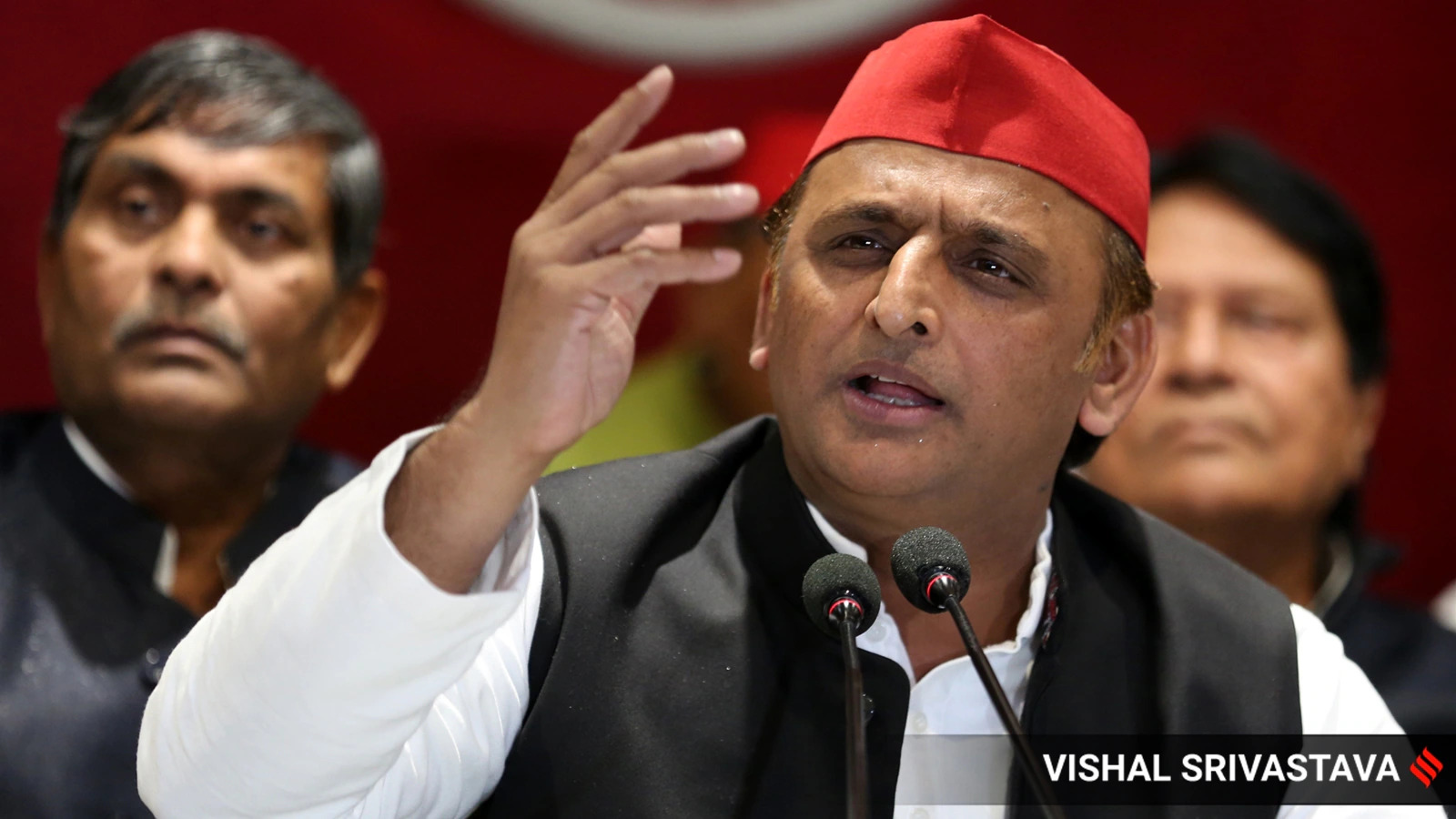
Political reactions to the unrest have been swift and varied. Union Minister Chirag Paswan expressed the government's willingness to engage in dialogue with those protesting at Jantar Mantar. Conversely, BSP leader Mayawati has voiced strong opposition to demands for reservation based on economic status, arguing that such moves could undermine existing constitutional protections for marginalized communities.
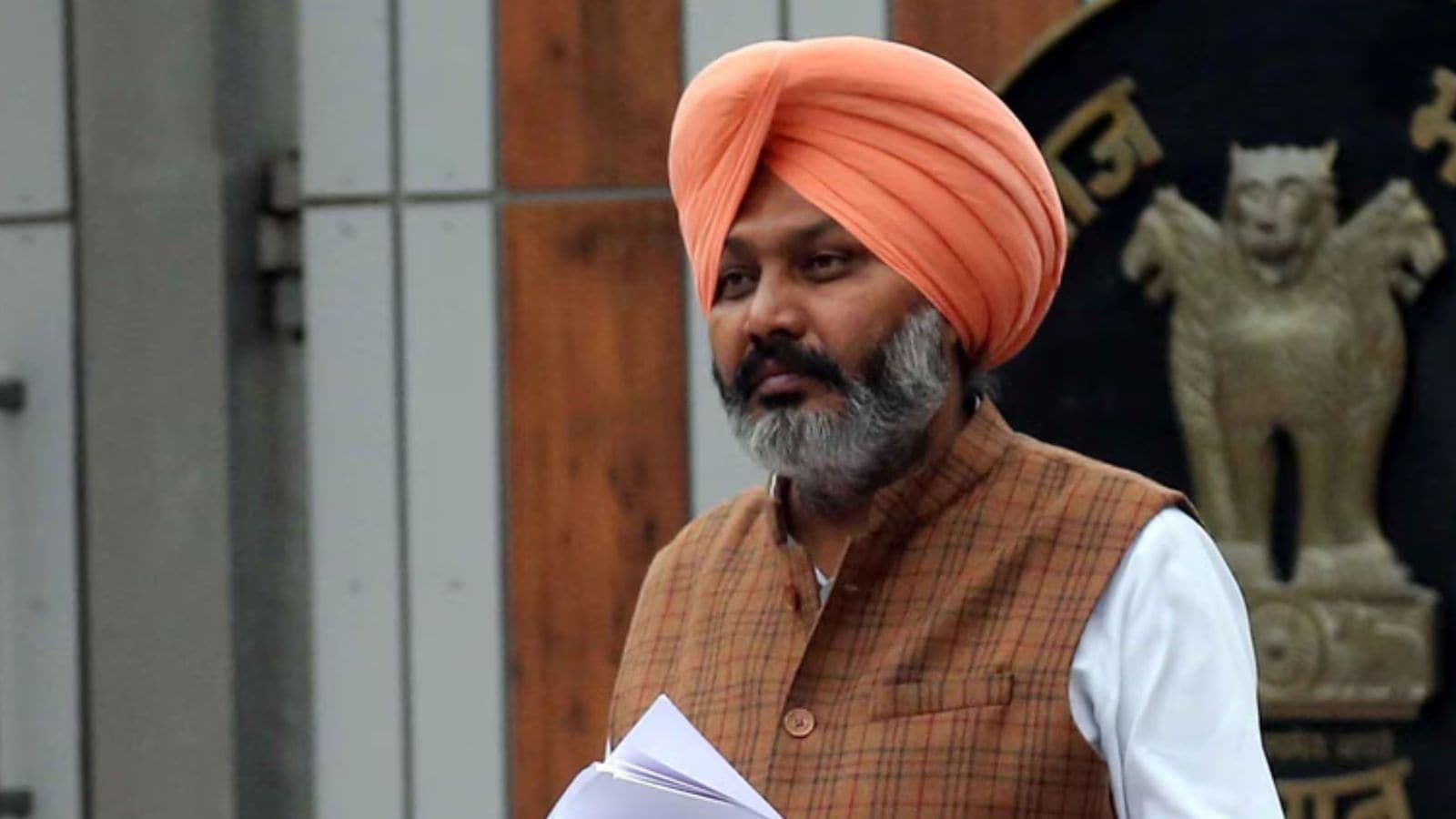
Adding to the complexity, the Deputy CM of Uttar Pradesh has promised a meeting between student representatives and Union Ministers to address their grievances. This indicates that the movement has significant traction among the youth and student populations across Northern India.
Historical Background
Reservation in India is a constitutional mechanism designed to redress historical wrongs and ensure representation for Scheduled Castes, Scheduled Tribes, and Other Backward Classes. The recent discourse has increasingly focused on the Economic Weaker Sections (EWS) category, sparking intense debate over whether economic status should supersede social identity in affirmative action.
Frequently Asked Questions
Question 1: Why were protesters detained in Delhi?
Answer: They were detained after gathering at Connaught Place without proper authorization for their planned protest.
Question 2: What is the main political disagreement regarding this protest?
Answer: While some leaders suggest dialogue, others like Mayawati argue that economic-based reservation could dilute constitutional safeguards.