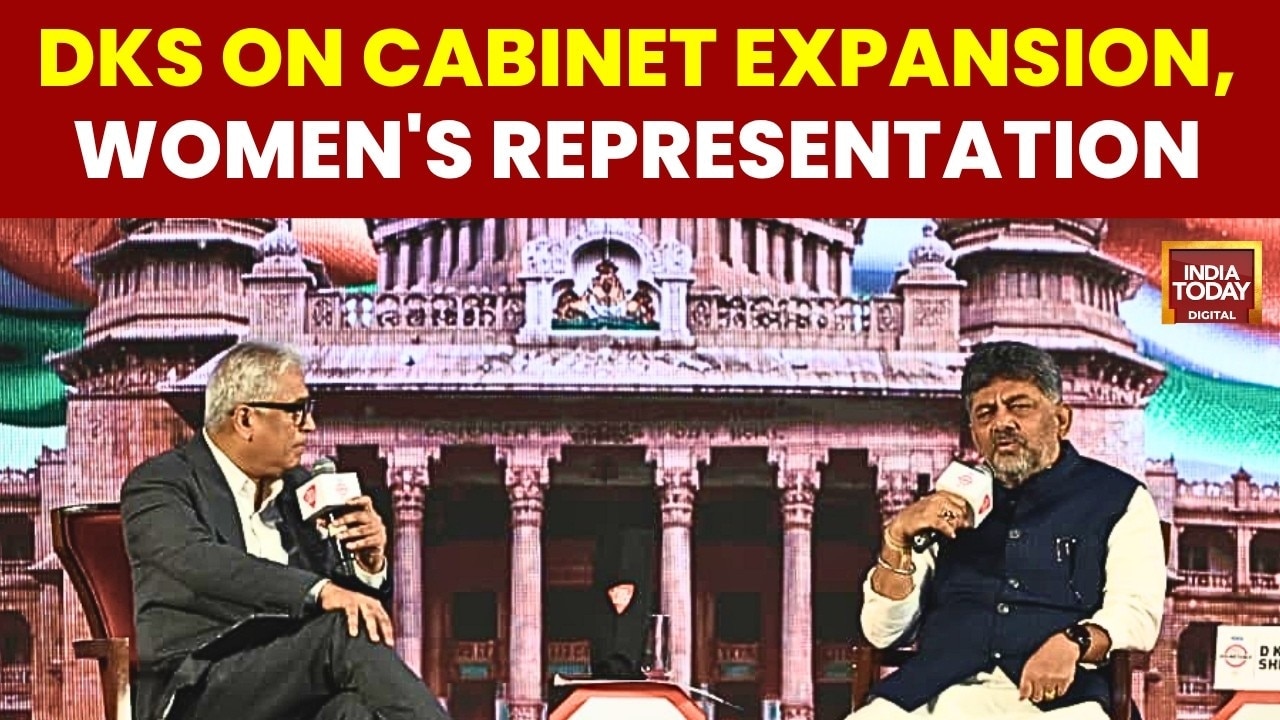
In a high-stakes interview, Deputy CM D.K. Shivakumar voiced concerns over financial discrimination against southern states and the potential political fallout of Lok Sabha delimitation.
- Southern states contribute nearly 39% to national GDP but face funding disparities.
- Strong opposition to expanding Lok Sabha seats beyond 543 to prevent regional imbalance.
- Strategic focus on Bengaluru's infrastructure and its role as a global tech hub.
In a profound discussion on governance and federalism, D.K. Shivakumar has brought to light the growing tensions regarding regional equity in India. The Deputy Chief Minister highlighted the pressing need for leadership to serve all citizens equally, regardless of political boundaries, while addressing systemic imbalances.
A central pillar of his argument concerns the financial treatment of southern states. Shivakumar pointed out that despite contributing approximately 39 percent to the national GDP and strictly adhering to population control measures, these states are facing significant discrimination in central funding allocations.
Why This Matters
BozokMedia analysis shows that the friction between economic contribution and political representation is reaching a tipping point. As southern states drive India's technological and economic engine, any perceived dilution of their political voice through delimitation could reshape the nation's federal fabric.
The voice of South India must not be choked by administrative restructuring that ignores economic realities.
Regarding the contentious issue of Lok Sabha delimitation, Shivakumar voiced strong opposition to increasing the number of seats beyond the current 543. He warned that such an expansion would disproportionately reduce the political influence of South India, creating a massive political imbalance in the Parliament.
On the urban front, the discussion pivoted to Bengaluru's infrastructure. Shivakumar discussed innovative measures like cement road tapping to combat the city's notorious pothole problem. He emphasized that Bengaluru remains a primary destination for Foreign Direct Investment (FDI) and acts as a critical economic lifeline for Karnataka's rural and agricultural sectors.
Historical Background
The debate over delimitation in India is deeply rooted in the tension between population-based representation and the rewards of successful socio-economic policies. States that have successfully managed population growth often fear losing their political weight in a system that prioritizes sheer numbers over per capita progress.
Frequently Asked Questions
Q1: What is the main concern regarding Lok Sabha delimitation?
A: The concern is that increasing seats based on population could diminish the political representation of southern states.
Q2: How does Bengaluru impact Karnataka's economy?
A: Bengaluru serves as a global tech hub and a major driver of FDI, which in turn supports the state's rural and agricultural economy.