In a major crackdown on food safety violations, the Brihanmumbai Municipal Corporation (BMC) seized and destroyed 48,166 kg of meat in Mumbai over the past year. The operation targeted illegal slaughter and unhygienic handling practices across the city.
- BMC seized and destroyed 48,166 kg of meat between April 2025 and March 2026.
- Bovine meat accounted for approximately 90% of the total seizures.
- Over 524 individuals were arrested under criminal sections for illegal activities.
- Seized livestock auctions generated ₹51.51 lakh for the municipal corporation.
The Brihanmumbai Municipal Corporation (BMC) and the Maharashtra food safety authorities have intensified their crackdown on illegal meat trade and hygiene violations. According to recent data, vigilance teams seized and destroyed a staggering 48,166 kg of meat in Mumbai between April 2025 and March 2026. A significant portion of this, nearly 90%, consisted of bovine meat, which is strictly regulated under state laws.
The breakdown of the seized items includes 43,498 kg of bovine meat, 4,081 kg of fish, 41 kg of chicken, 33 kg of goat meat, and 3 kg of pork. Additionally, 510 kg of animal skin intended for leather products was confiscated. Beyond meat, the BMC also intercepted 59,965 live animals, primarily hens (59,062) and goats/sheep (903), which were being illegally slaughtered or sold at unauthorized locations.
Why This Matters
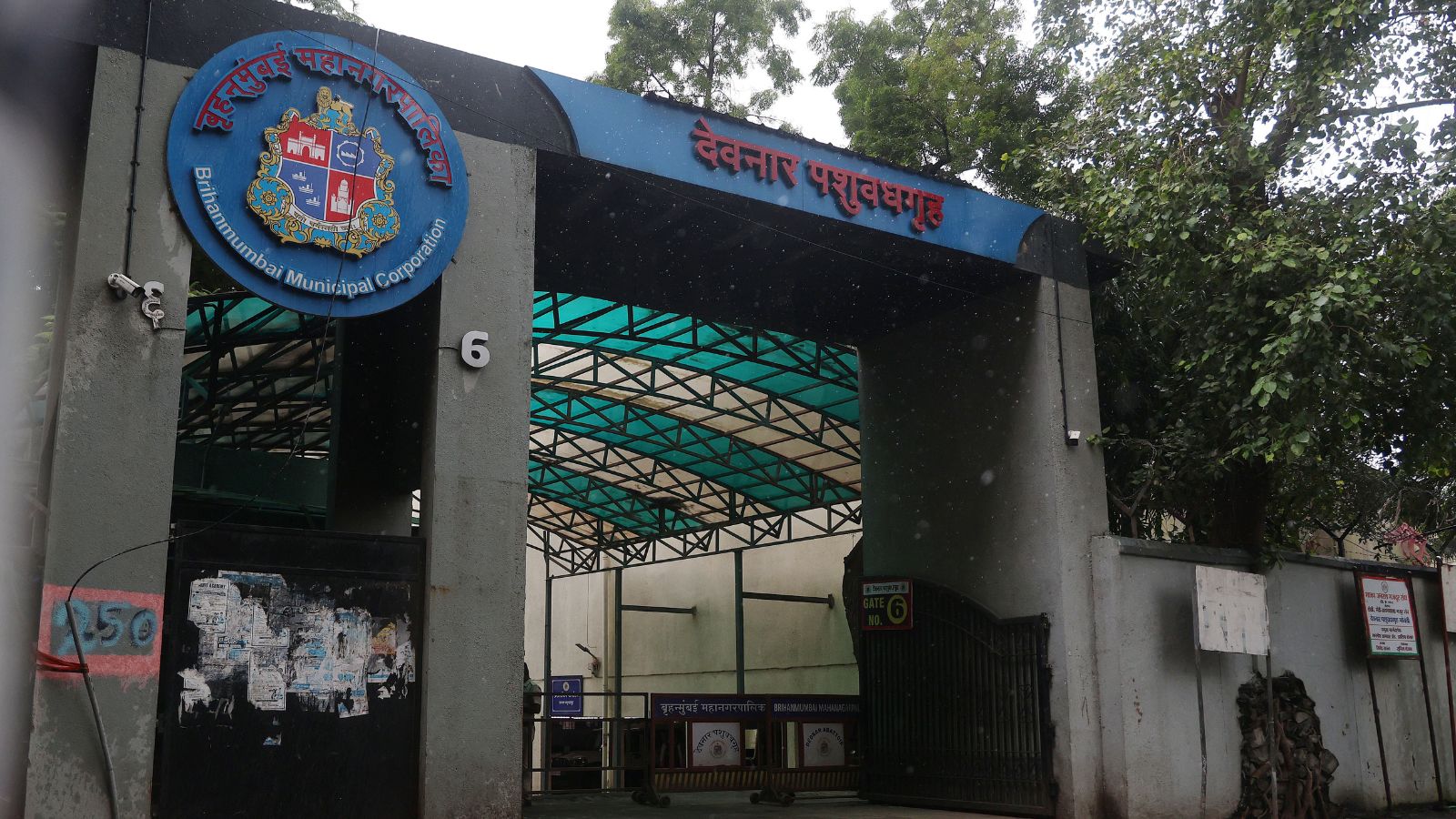
BozokMedia analysis shows that in a sprawling metropolis like Mumbai, the lack of oversight in meat transportation and slaughter can lead to massive public health crises. Unauthorized slaughterhouses bypass essential sanitation protocols, potentially introducing pathogens into the food supply chain. By enforcing strict licensing and centralized slaughtering at the Deonar Abattoir, authorities aim to mitigate the risks of foodborne illnesses.
Meat from unauthorized sources poses a severe risk to public sanitation, necessitating chemical denaturing and disposal to prevent consumption.
The BMC's market department utilizes three specialized vigilance teams covering the island city, eastern suburbs, and western suburbs. These teams conduct both complaint-based and proactive inspections. Officials emphasized that seizures are not only triggered by illegal slaughter but also by violations of hygiene standards, such as the use of contaminated water for cleaning or improper preservation methods.
The crackdown has had significant legal implications. Working in tandem with the Mumbai Police, the BMC has arrested at least 524 people under various criminal sections during the reported period, collecting fines totaling ₹13.08 lakh. Interestingly, while the scale of operations remains massive, meat seizures saw a slight decline compared to the previous year (April 2024–March 2025), when over 50,000 kg was seized.
Frequently Asked Questions
1. How does the BMC dispose of meat deemed unfit for consumption?
Meat that fails safety or legality checks is chemically denatured to make it inedible and is subsequently buried to prevent misuse.
2. Is all meat slaughter permitted in Mumbai?
No. Under the Maharashtra Animal Preservation (Amendment) Act, the slaughter of cows, bulls, and bullocks is prohibited. Buffalo slaughter is permitted only at the authorized Deonar Abattoir.