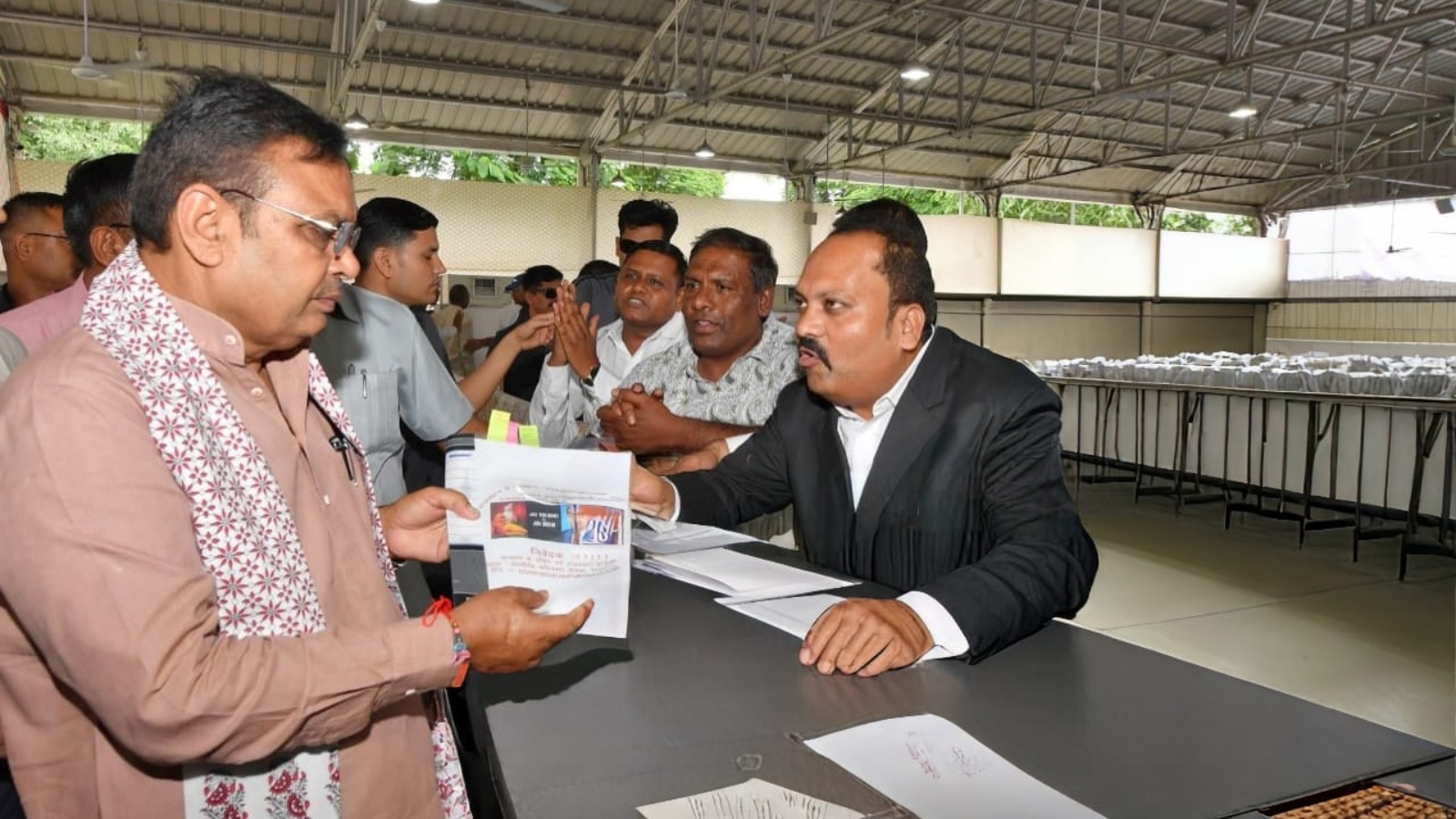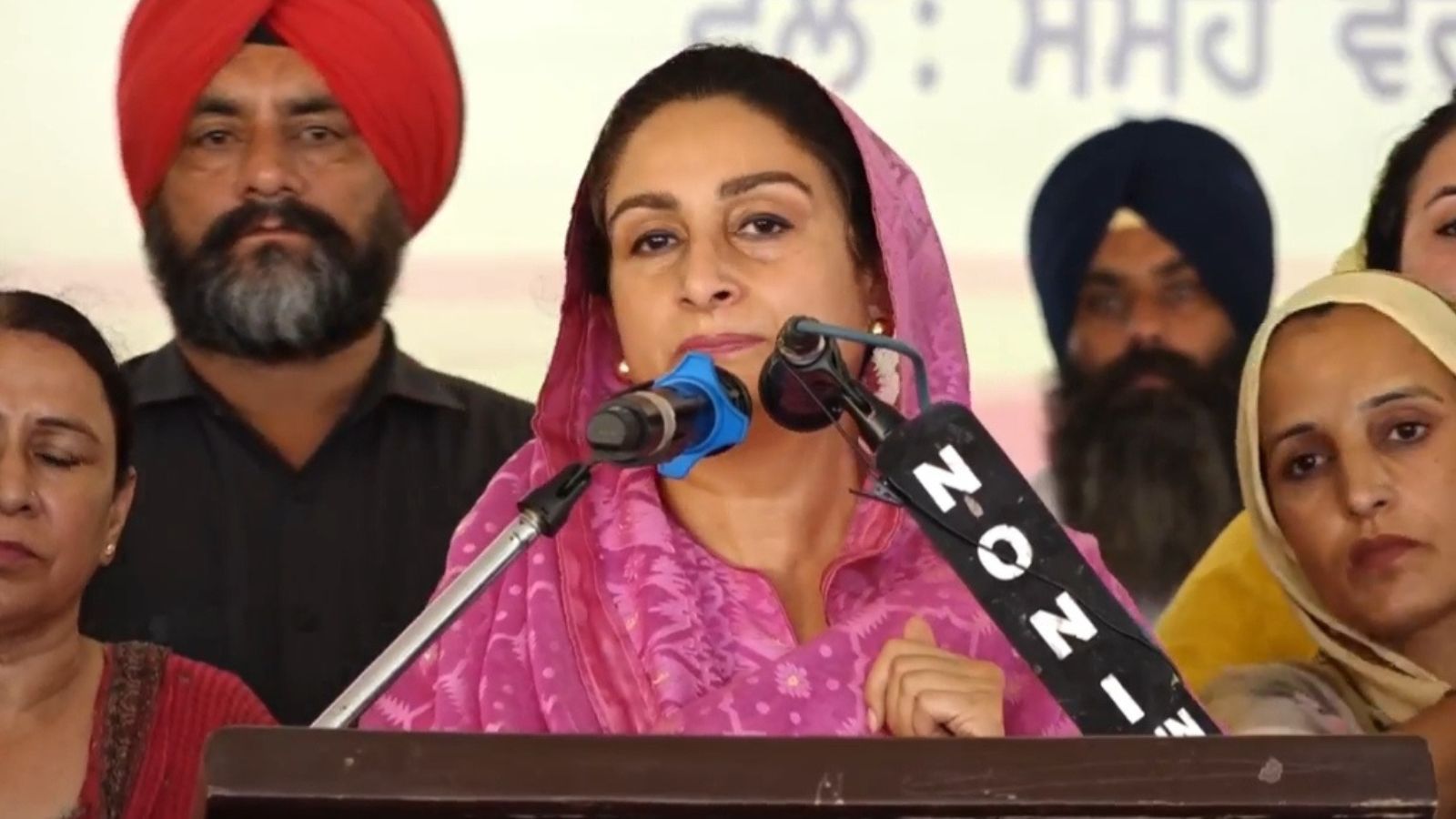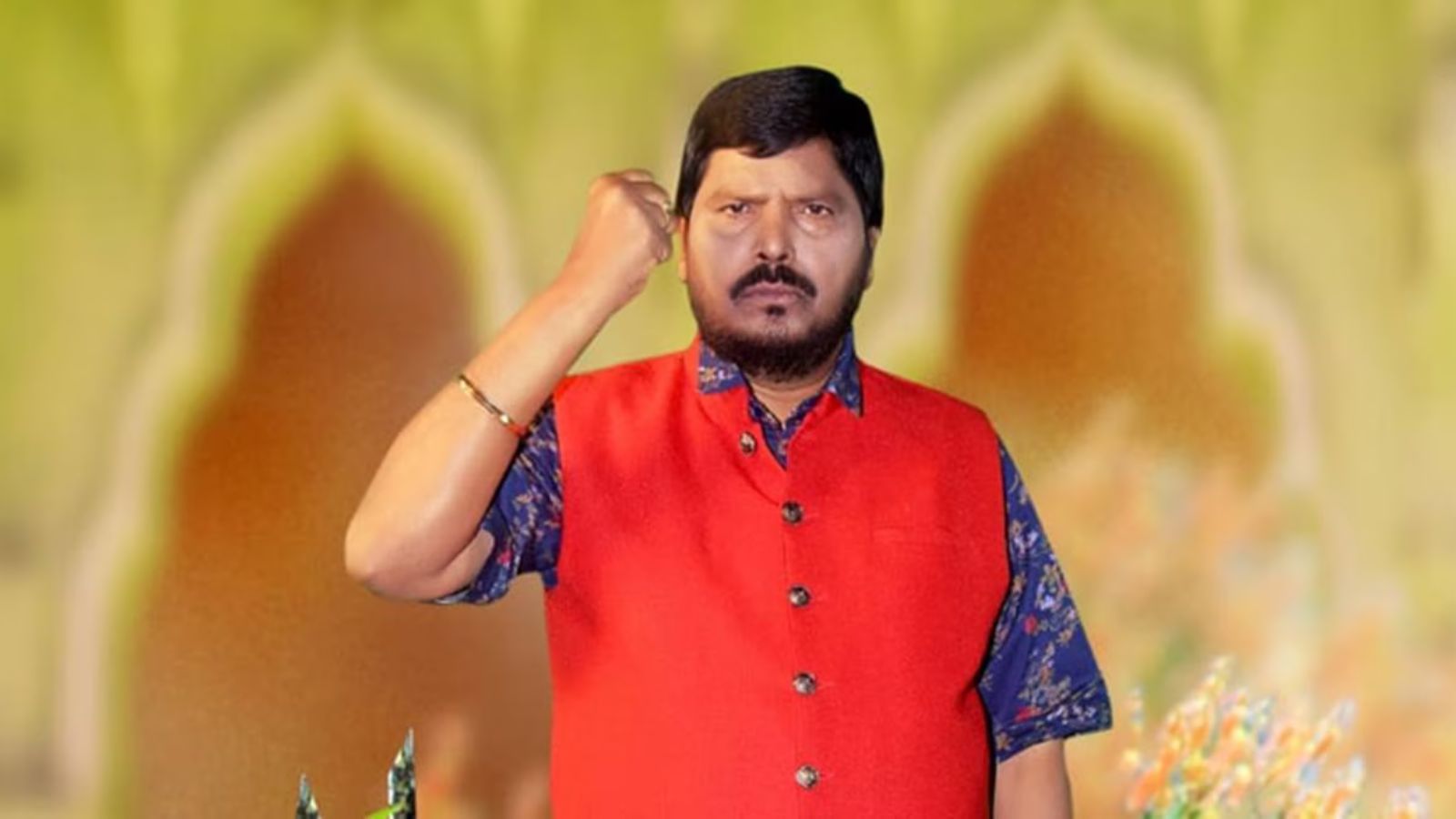
The BJP is facing a significant political challenge as it attempts to balance the demands of its traditional upper-caste voters with the sacrosanct reservation rights of OBC, Dalit, and Tribal communities. Amidst rising anti-reservation protests, the party is walking a delicate line to maintain its sprawling social base.
- BJP is attempting to balance concerns of upper-caste voters with the essential reservation rights of OBC, SC, and ST groups.
- Union Minister Ramdas Athawale emphasized that reservation should not be ended; instead, the caste system itself should be addressed.
- UP Minister Narendra Kashyap dismissed anti-reservation movements as being outside 'constitutional boundaries.'
- The 2024 Lok Sabha election results have prompted the BJP to be more cautious regarding caste-based discourse.
The Indian political landscape is witnessing a renewed tension surrounding the discourse of caste and reservation. The Bharatiya Janata Party (BJP), which has successfully expanded its footprint from a perceived 'Bania-Brahmin' core to a massive, diverse social coalition, now finds itself in a high-stakes balancing act. The party must address the growing voices of its traditional upper-caste base on social media while simultaneously protecting the reservation interests of the OBC, Dalit, and Tribal groups that form the bedrock of its electoral successes.
Recent anti-reservation agitations have put the government on the defensive. While some BJP leaders have engaged with protesters, ministers from reserved categories within the NDA have been vocal in their support for the status quo. Ramdas Athawale, Union Minister of State for Social Justice and Empowerment, stated that any demand to remove reservation is inherently divisive. He suggested that the focus should remain on the eventual abolition of the caste system as envisioned by the Constitution, rather than targeting reservation itself.
Why This Matters
BozokMedia analysis shows that the BJP's survival in key states like Uttar Pradesh and Maharashtra depends heavily on its ability to manage this 'caste tightrope.' A misstep could alienate the core upper-caste voters or, more dangerously, trigger a backlash from the massive OBC and Dalit vote banks that view reservation as a non-negotiable constitutional right.
Reservation is not merely a poverty alleviation tool; it is a fundamental pillar of social justice and constitutional equity.
Adding to the party's stance, Uttar Pradesh OBC Welfare Minister Narendra Kashyap criticized the anti-reservation movements, stating they do not align with 'constitutional boundaries.' Kashyap highlighted that OBC reservation was the result of decades of struggle and was not a sudden gift. He also clarified that the 'creamy layer' exclusion already exists to prevent the wealthy from disproportionately benefiting, addressing one of the primary arguments used by agitators.
The historical evolution of the BJP’s caste strategy is significant. From the early outreach programs led by K.N. Govindacharya to the symbolic and massive mobilization of OBCs and SC/STs under Narendra Modi, the party has undergone a profound transformation. However, the 2024 Lok Sabha election results, which saw a significant loss of seats in certain regions, have served as a wake-up call regarding the sensitivity of caste-based politics.
Frequently Asked Questions
1. Is the BJP planning to abolish reservation?
No. Senior BJP leaders and NDA allies have repeatedly affirmed that reservation is a constitutional necessity and they are not seeking its removal.
2. Why are there protests against reservation?
Some groups are demanding quotas on economic grounds or expressing concerns that certain sections are being unfairly excluded, leading to localized agitations.