As PM Modi prepares to meet President Putin in Kyrgyzstan, we revisit the historic 1971 treaty that shielded India from Pakistani aggression and American naval intimidation.
- The 1971 Indo-Soviet Treaty of Peace, Friendship, and Cooperation provided critical strategic depth to India.
- The pact effectively neutralized the threat posed by the US 7th Fleet during the Bangladesh Liberation War.
- Historical ties continue to influence India's strategic autonomy in a multipolar world.
The upcoming summit between Prime Minister Narendra Modi and President Vladimir Putin in Kyrgyzstan serves as a poignant reminder of a diplomatic masterstroke played over five decades ago. In the volatile climate of the Cold War, India forged a bond with the Soviet Union that did more than just ensure trade—it ensured national survival during one of the most critical junctures of the 20th century.
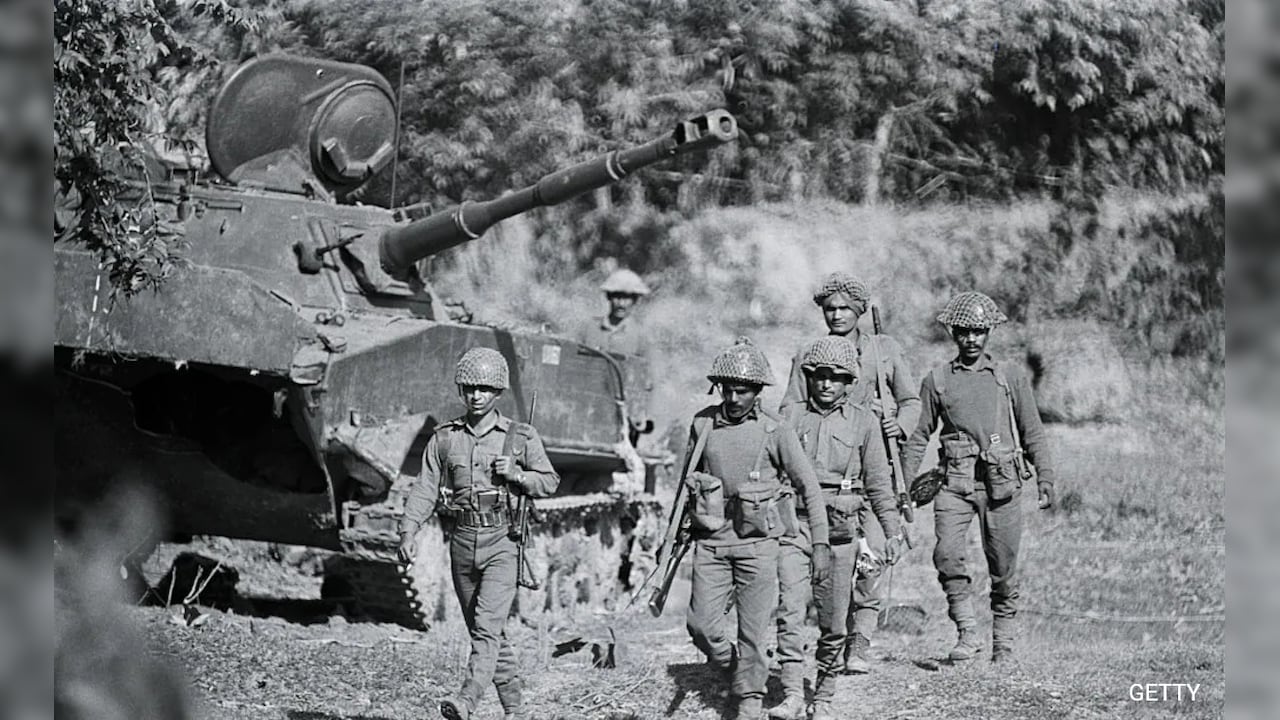
The year 1971 was a crucible for India. While the nation was focused on the liberation of Bangladesh, it faced a dual threat: a hostile Pakistan and a supportive United States. In a blatant attempt to intimidate New Delhi, the US deployed the 7th Fleet, its most powerful naval armada, into the Bay of Bengal. The psychological and military pressure was immense, threatening to derail India's strategic objectives.
Why This Matters
BozokMedia analysis shows that the 1971 treaty was the cornerstone of India's 'Strategic Autonomy.' By securing a superpower ally, India proved that it could navigate the treacherous waters of global polarity without becoming a puppet to any single bloc. This historical precedent explains why India continues to maintain a balanced relationship with Russia today, despite intense pressure from Washington.
"The 1971 pact was not merely a diplomatic agreement; it was a strategic insurance policy that guaranteed India's sovereignty."
Historically, the defense synergy between India and Russia has been unparalleled. From the procurement of MiG fighters to the deployment of the S-400 missile system, Moscow has consistently treated New Delhi as a privileged partner. This relationship has evolved from a Cold War necessity into a multifaceted partnership encompassing energy, space, and counter-terrorism.
However, the modern landscape is far more complex. The Russia-Ukraine conflict and the deepening Moscow-Beijing axis have introduced new frictions. While the US seeks to pivot India away from Russia, New Delhi's approach remains rooted in the lesson of 1971: diversification of allies is key to national security. The Kyrgyzstan meeting is a signal that the 'special and privileged strategic partnership' remains intact.
Frequently Asked Questions
Q1: What was the primary goal of the 1971 Indo-Soviet Treaty?
The primary goal was to establish a framework of mutual cooperation and provide a security guarantee against external aggression.
Q2: Why was the US 7th Fleet sent to the Bay of Bengal?
The US sent the fleet to signal its support for Pakistan and to pressure India into halting its military operations in East Pakistan.