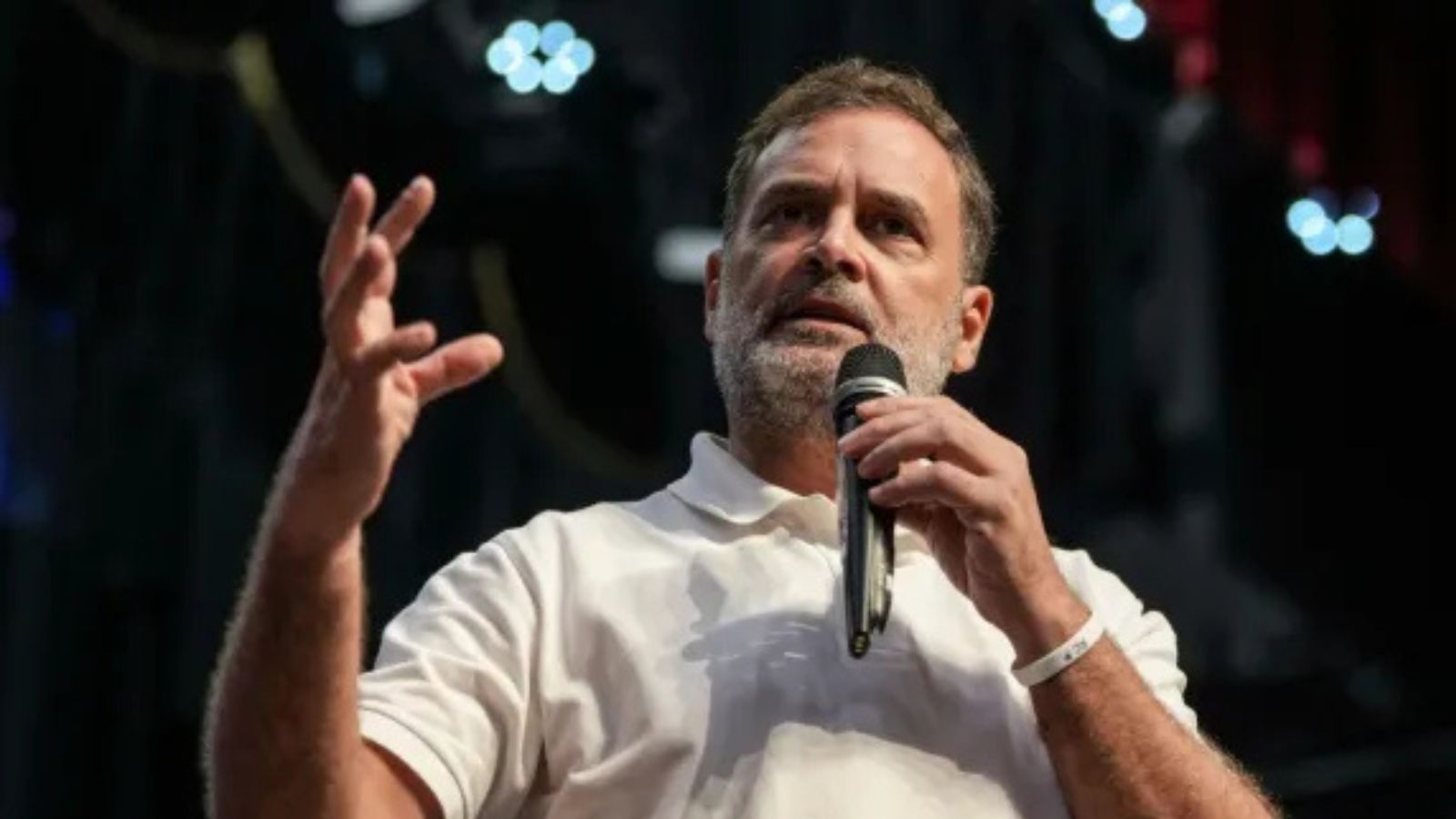
Congress spokesperson Pawan Khera has challenged the 7.8% GDP growth rate, questioning whether the economic gains are trickling down to the common citizen.
- Pawan Khera questioned the authenticity and impact of the 7.8% GDP growth.
- Congress highlighted the gap between macroeconomic data and ground-level reality.
- Focus was placed on wealth concentration versus inclusive growth.
Senior Congress leader and spokesperson Pawan Khera has sparked a political debate by questioning the reported 7.8% GDP growth of India. Khera's critique centers on the distribution of wealth, posing the fundamental question: "Who is benefiting?" He argues that high-level percentages often mask the struggles of the average Indian citizen.
The Congress leader emphasized that while the government celebrates macroeconomic milestones, the reality for millions remains defined by unemployment and inflation. He urged the administration to provide transparent data on how this growth is translating into improved living standards for the marginalized sections of society.
Why This Matters
BozokMedia analysis shows that this critique points toward a potential 'K-shaped recovery' in the Indian economy. This phenomenon occurs when high-income earners recover quickly from economic shocks while low-income earners continue to decline. The political scrutiny of GDP figures forces a conversation on equity and the social cost of rapid growth.
GDP is a measure of activity, not a measure of welfare; the real test of an economy is the purchasing power of its poorest citizen.
Historically, India has maintained one of the highest growth rates globally, yet the gap between the ultra-wealthy and the working class has widened. The opposition's focus on "inclusive growth" reflects a global trend where citizens are demanding more than just aggregate numbers.
Frequently Asked Questions
1. What is the core of Pawan Khera's argument?
He argues that the 7.8% GDP growth may be concentrated among a few wealthy entities rather than being distributed across the population.
2. Why is the 'Who is benefiting?' question significant?
It shifts the focus from quantitative growth (how much) to qualitative growth (for whom), highlighting issues of economic inequality.