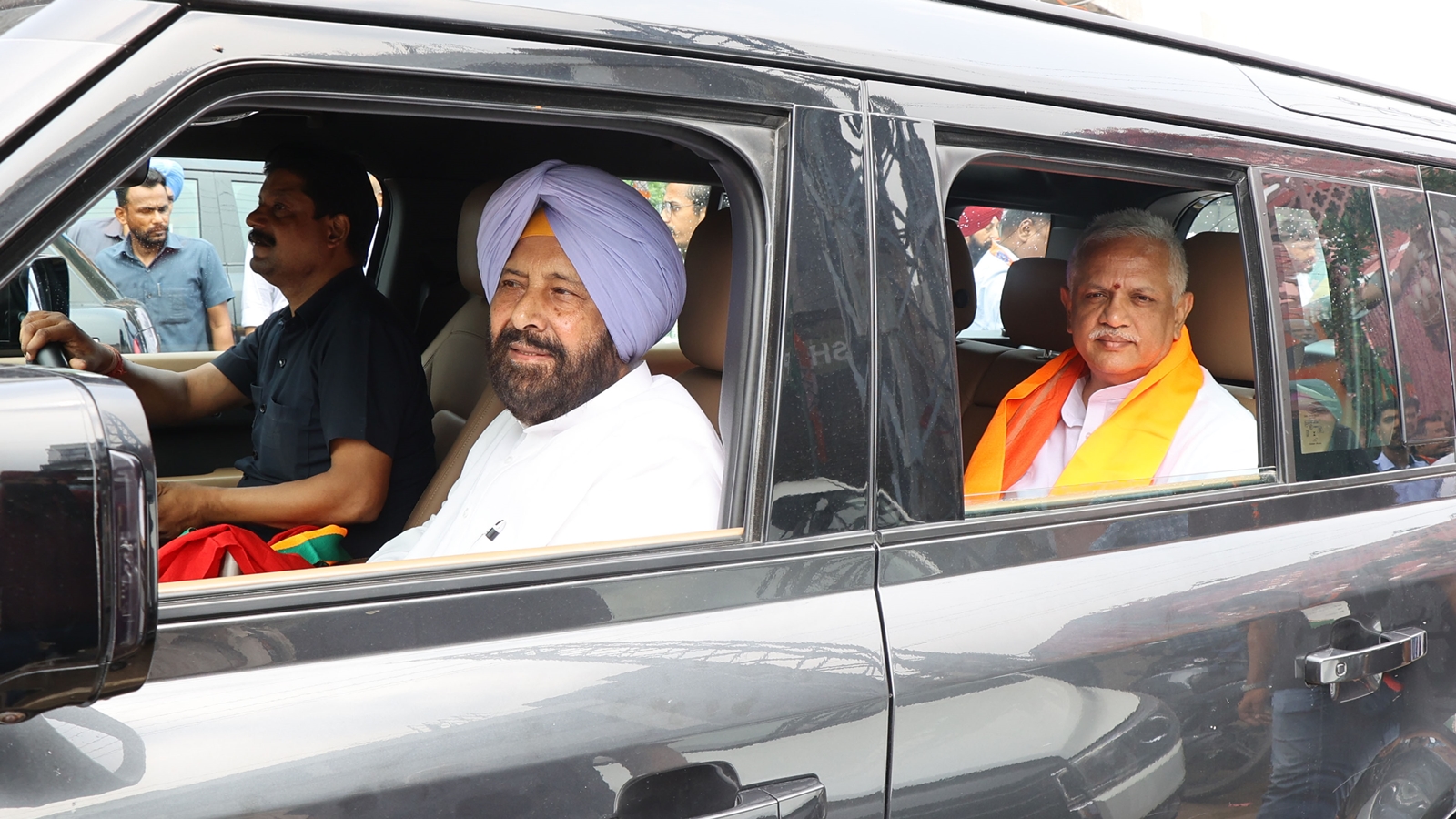
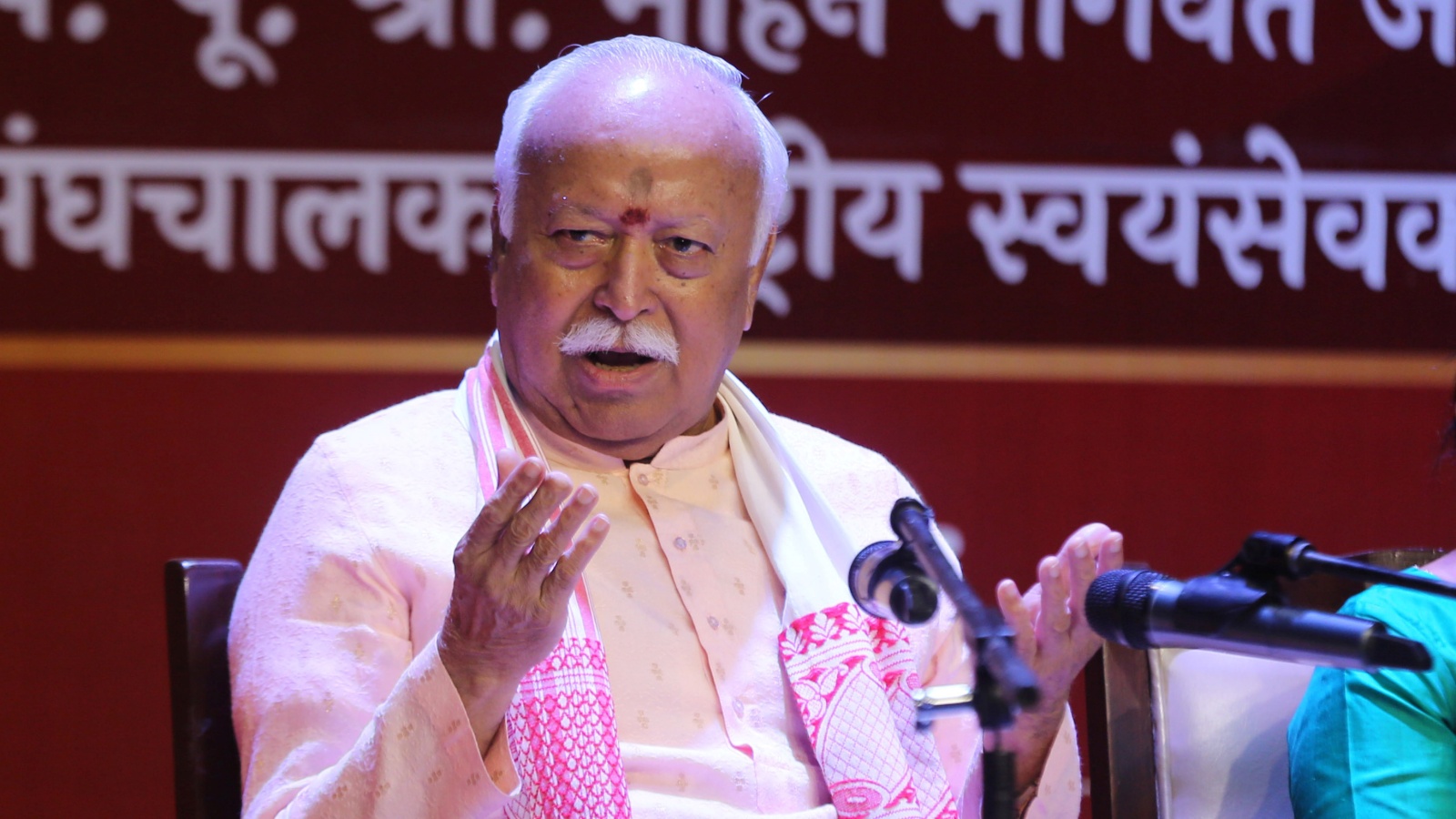
Prime Minister Narendra Modi revived the controversial "Dimagi Naxal" phrase during his speech at SRCC, prompting the Chief Justice of India to publicly rebuke the remark. The clash highlights growing tensions between political rhetoric and judicial expectations in India.
- PM Modi used the contentious "Dimagi Naxal" term at SRCC.
- Chief Justice of India issued a sharp public criticism.
- The episode ignited a nationwide debate on political labeling and youth empowerment.
What Happened
During the centenary celebrations of Shri Ram College of Commerce (SRCC), Prime Minister Narendra Modi addressed the student body and referred to "Dimagi Naxals" – a phrase that resurfaced from a 2022 campus protest controversy. While Modi intended to motivate young Indians to challenge complacency, many perceived the label as derogatory toward student activists.
CJP's Response
The Chief Justice of India convened a press briefing shortly after the event, stating, "We must provide hope and opportunity, not intellectual labels." He emphasized the judiciary's role in safeguarding respectful democratic discourse.
Historical Background
The term "Dimagi Naxal" first entered public discourse in 2022 when several university protests were met with accusations of Naxal affiliation by political opponents. Since then, it has become a flashpoint in debates over free expression and state authority.
Why This Matters
BozokMedia analysis shows that such rhetoric can polarize young voters and erode trust in both the executive and the courts. When national leaders resort to charged terminology, it deepens social divides and raises questions about judicial independence.
"Leaders must recognize the power of words; reckless labeling threatens democratic cohesion," says constitutional scholar Dr. Anil Mehta.
Frequently Asked Questions
Q1: Is there a legal definition for "Dimagi Naxal"?
Currently, Indian law does not define the phrase, but it remains a contentious term in public debate.
Q2: Could this controversy affect India's international reputation?
Analysts warn that incendiary political language may tarnish perceptions of India's democratic maturity abroad.