A major political storm has hit Kerala following controversial remarks by Islamic scholar Kanthapuram AP Aboobacker Musliyar regarding women in public spaces. While CM VD Satheesan slammed the views, IUML's lone woman MLA has called for an end to targeting the scholar.
- Scholar Kanthapuram defended the directive restricting women from sharing stages with men.
- CM VD Satheesan cited Prophet Muhammad's wives as examples of active public Muslim women.
- IUML MLA Fathima Thahiliya supported women's rights but opposed 'singling out' the scholar.
- Religious leaders accused the state government of misinterpreting Islamic history.
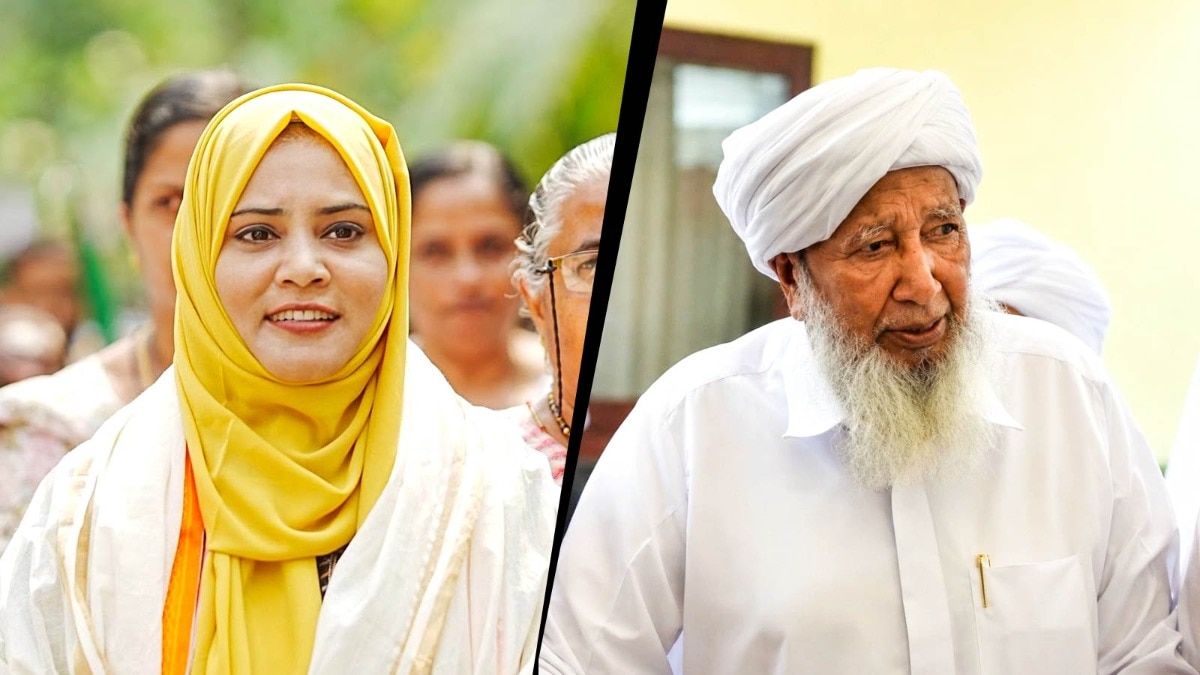
The political landscape in Kerala has been thrown into turmoil following provocative statements made by Kanthapuram AP Aboobacker Musliyar, the 95-year-old General Secretary of Samastha Kerala Jamiyyathul Ulama. While defending a directive from Sunni-Shafi scholars that restricts women from appearing on public stages with men, Kanthapuram claimed that the public appearance of women could lead to "great destruction."
Amidst the rising tension, Fathima Thahiliya, the only woman MLA from the IUML, has taken a nuanced position. While reaffirming her unwavering support for women's empowerment, she criticized the attempt to vilify the scholar personally. "I have always spoken for women's empowerment... but singling out and attacking someone is not something that I appreciate," she stated.
Why This Matters
BozokMedia analysis shows that this incident highlights the deepening ideological rift in Kerala between progressive secular governance and traditional religious interpretations. As Kerala strives to maintain its status as a progressive social model, such debates over gender roles and religious mandates pose significant challenges to social cohesion.
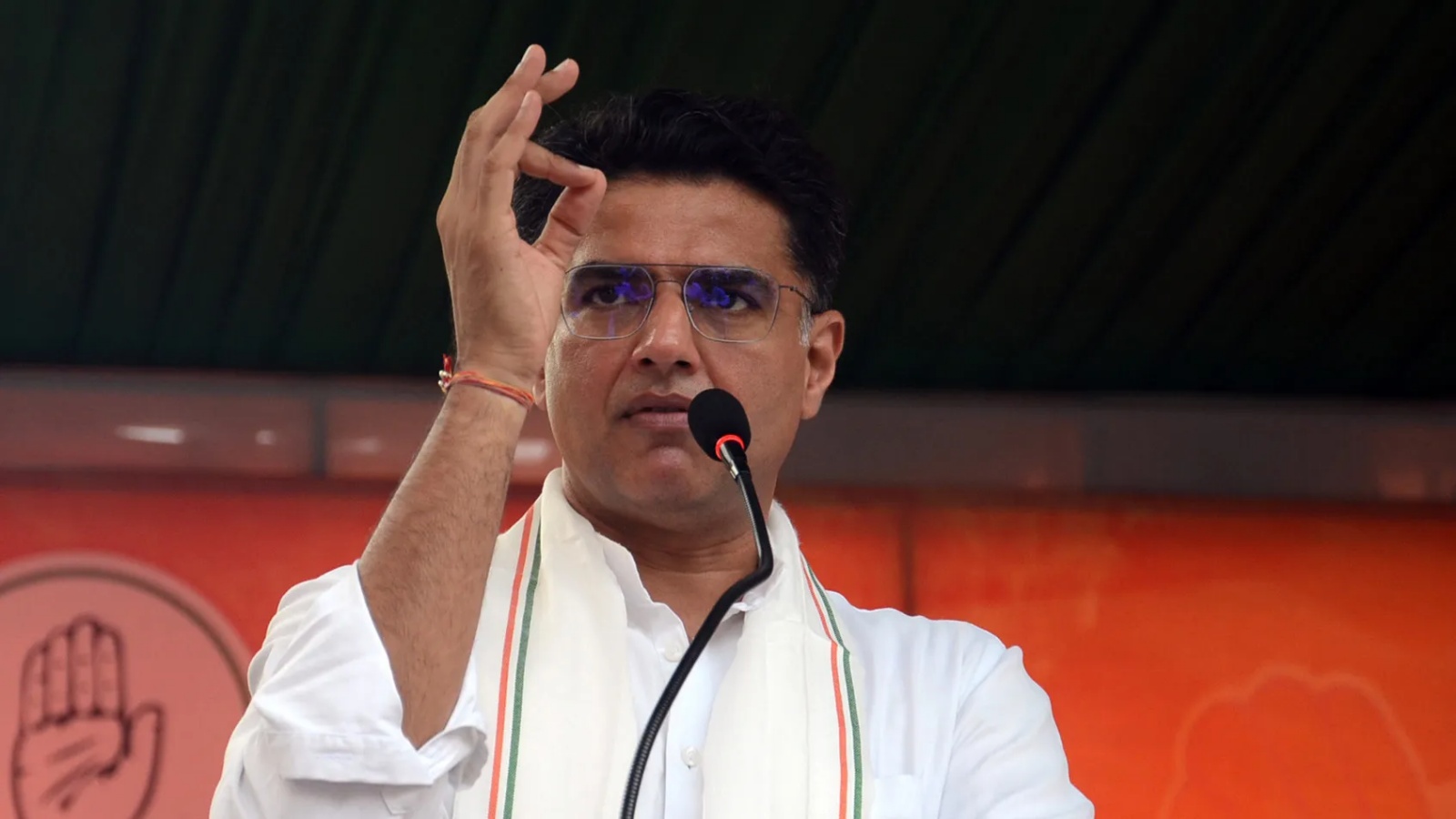
Kerala Chief Minister VD Satheesan has emerged as a vocal critic of the remarks. He argued that such views are outdated and contrary to both Islamic history and modern Kerala values. To counter the scholar's claims, Satheesan cited Khadija and Aisha—prominent figures in Islamic history—as examples of women who played vital, active roles in public and business life.
Religious leaders argue that Sharia is a matter of faith that should not be subject to state-led interpretation.
The backlash from the religious community was swift. Jifri Muthukoya Thangal, President of Samastha, suggested that while people may choose to accept or reject religious verdicts, officials in responsible positions should not belittle scholars for expressing matters of faith. He emphasized that religious doctrines are not subject to modern political relevance.
Historical Background
The tension between the Kerala state government and influential religious bodies like Samastha is not new. Historically, Kerala has seen significant movements regarding religious freedom, social reform, and the rights of women, often resulting in high-profile legal and political battles over the interpretation of tradition versus modernity.
Furthermore, the mouthpiece of the Samastha EK faction, Suprabhatham, has accused the Chief Minister of double standards, pointing to his past opposition to certain women's entries into temples while now championing women's public freedoms.
Frequently Asked Questions
Question 1: What was the specific directive mentioned by Kanthapuram?
Answer: The directive from Sunni-Shafi scholars suggested that women should not share stages with men or appear alongside them in public spaces.
Question 2: How did the Chief Minister defend women's roles in Islam?
Answer: He cited the historical prominence of Khadija and Aisha to demonstrate that women have always held significant roles in Islamic history.