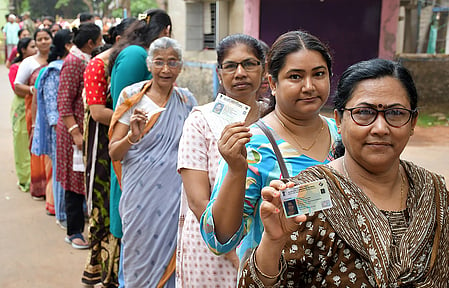
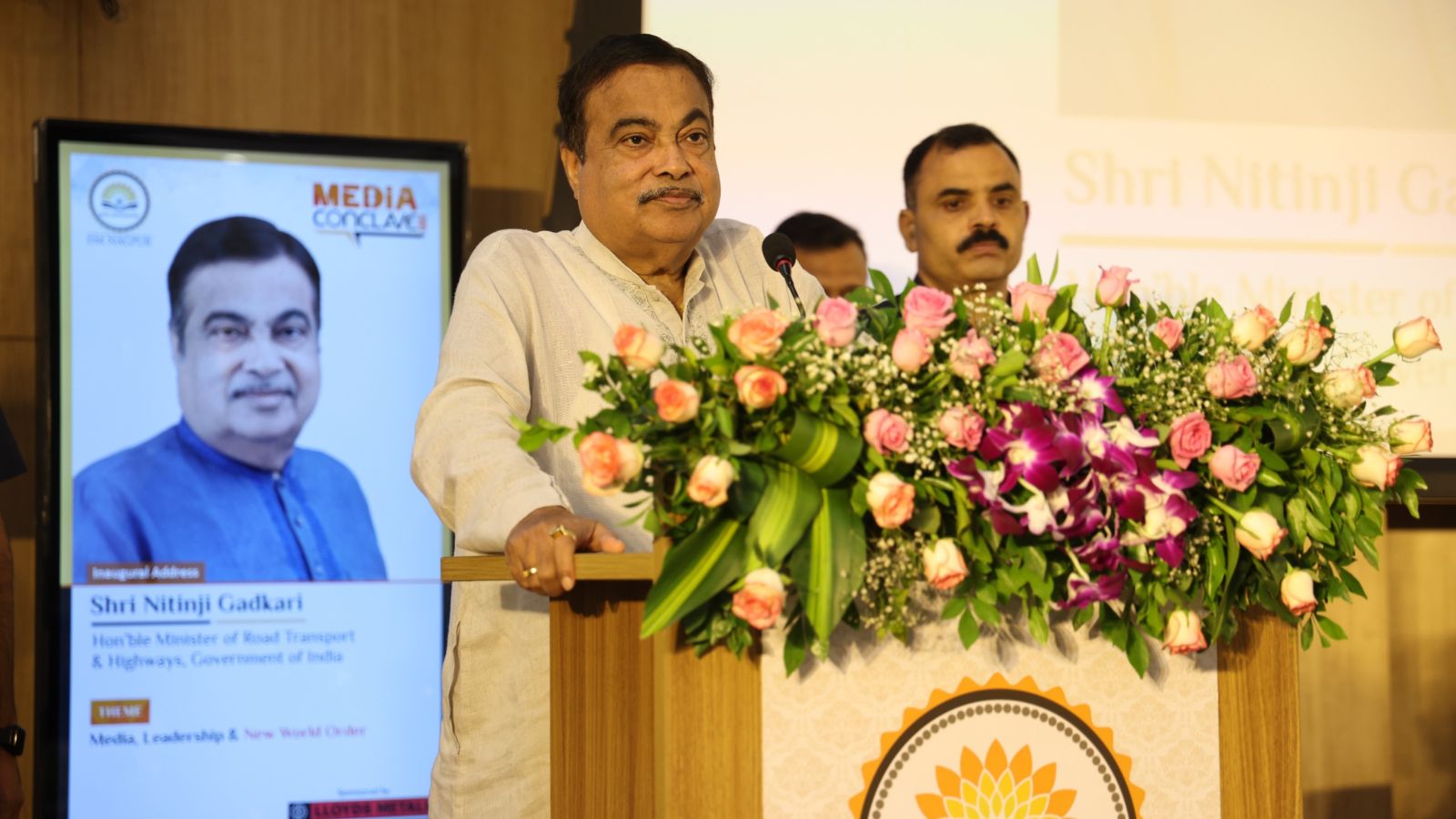
Lok Sabha Speaker Om Birla stated that the 33% reservation for women in legislative bodies will catalyze new leadership opportunities. He emphasized that women must transition from being beneficiaries to active policy makers.
- 33% reservation for women in Lok Sabha and State Assemblies.
- Shift focus from providing support to enabling policy-making power.
- Women's economic and social empowerment is vital for a 'Developed India'.
Lok Sabha Speaker Om Birla on Monday asserted that the 33% reservation for women in the Lok Sabha and State Legislative Assemblies is set to unlock unprecedented avenues for political leadership. Speaking at a high-level event, he emphasized that the role of women in governance must evolve beyond receiving support to actively shaping the nation's policies and legal frameworks.
Inaugurating the two-day All-India Capacity Building Workshop on ‘Gender-Responsive Governance’, organized by the National Commission for Women (NCW) in Faridabad, Mr. Birla expressed optimism regarding the future of gender parity in public service. He noted that a time is approaching when women will represent more than 50% of the public service workforce.
Why This Matters
BozokMedia analysis shows that this legislative shift is crucial for bridging the gap between law-making and ground-level implementation. By integrating women into the core of legislative decision-making, the government can ensure that laws are more sensitive to the nuances of gender-specific challenges, thereby fostering more inclusive growth.
Women must move beyond being mere recipients of support to becoming the architects of policy and legislation.
Mr. Birla highlighted that women legislators in Parliament, State Assemblies, panchayats, and municipalities are positioned to play a decisive role in ensuring that laws reflect the lived realities of citizens. He also underscored the importance of institutions like the NCW in identifying emerging social challenges and facilitating effective solutions.
Historical Background: The movement for women's reservation in India has been a long-standing struggle for gender justice. The passage of the Nari Shakti Vandan Adhiniyam marks a historic turning point, aiming to rectify the systemic underrepresentation of women in India's highest decision-making bodies.
Furthermore, the Speaker linked women's empowerment directly to national progress. He stated that India cannot achieve its goal of becoming a developed nation without the economic and social empowerment of women, who constitute nearly half of the country's population. He called for increased opportunities for employment and economic independence to drive this transformation.
Frequently Asked Questions
1. What is the significance of the 33% reservation mentioned?
It aims to ensure equitable representation of women in the Lok Sabha and State Legislative Assemblies, enhancing their political voice.
2. How can women legislators impact law-making?
They can ensure that laws are grounded in reality and address the specific socio-economic concerns of women and vulnerable sections.